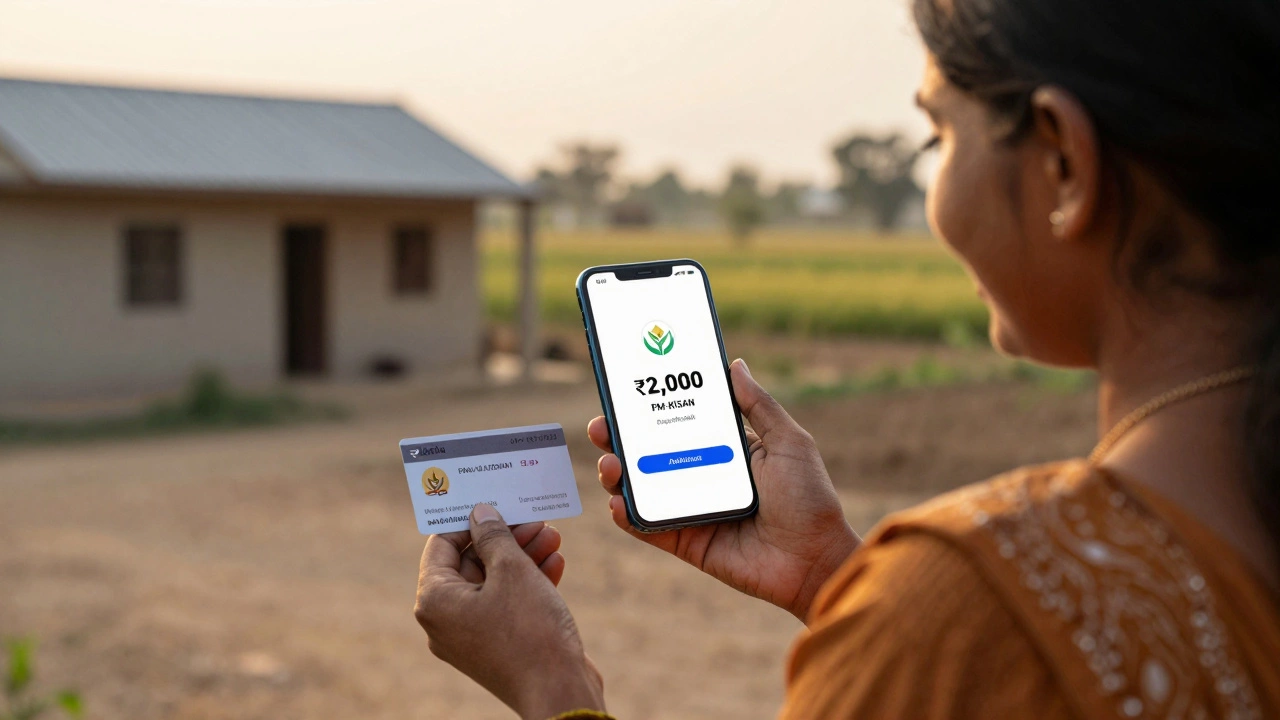
When it comes to starting a business in India, top government initiatives, state-backed programs designed to reduce barriers and fuel growth for new businesses. Also known as startup schemes, these aren’t just posters on a wall—they’re real tools that cut taxes, unlock funding, and connect founders with customers. Take Digital India, a nationwide push to make digital services the default for everything from payments to education. Also known as digital transformation drive, it’s the reason a small-town tutor can now reach millions through WhatsApp and UPI, just like Physics Wallah did. This isn’t luck. It’s policy.
Then there’s GST, a single tax system that replaced dozens of state-level levies. Also known as Goods and Services Tax, it’s the quiet hero behind thousands of small businesses that used to drown in paperwork. Before GST, a seller in Andhra Pradesh had to track 17 different tax rules just to ship a box. Now? One form, one rate, one portal. That’s why so many of the fastest-growing businesses in India today are hyperlocal—selling food, repairs, or handmade goods with nothing but a phone and a GST number. And don’t forget the funding pipelines: schemes like Startup India offer tax breaks for the first three years, easier patent filings, and even incubator support. These aren’t for unicorns with VC money. They’re for the single mom running a home-based bakery, the college grad building an app in his dorm, the farmer’s son exporting spices online.
What these initiatives actually change for you
It’s not about grand speeches. It’s about what happens when you file your first GST return, apply for a startup recognition number, or use a government-backed digital platform to find buyers. You pay less. You wait less. You grow faster. The data shows it: Indian startups raised over $12 billion in 2025, not because of magic, but because the rules finally started working for them. Fintech, agritech, healthtech—they’re all built on the same foundation: government tools that actually get used.
You don’t need a degree in policy to use these programs. You just need to know they exist. Below, you’ll find real stories from founders who used Digital India to scale, GST to stay compliant, and government schemes to turn a side hustle into a full-time business. No fluff. No theory. Just what worked—and what didn’t.
India's central government leads in scale and digital delivery of welfare schemes like PM-KISAN, Ujjwala, and PM-AWAS, transforming lives across rural and marginalized communities through direct cash transfers and digital access.