India Export Sector Navigator
Select a sector below to analyze its market demand, entry requirements, and strategic fit for your business profile.
Engineering Goods
Auto parts, machinery, electrical equipment.
Pharmaceuticals
Generics, APIs, healthcare essentials.
Textiles & Apparel
Technical fabrics, home textiles, sustainable fashion.
Agriculture & Food
Spices, rice, processed foods, superfoods.
IT & Digital Exports
Software, BPO, digital content, e-learning.
Sector Analysis
Key Metrics
Primary Buyers:
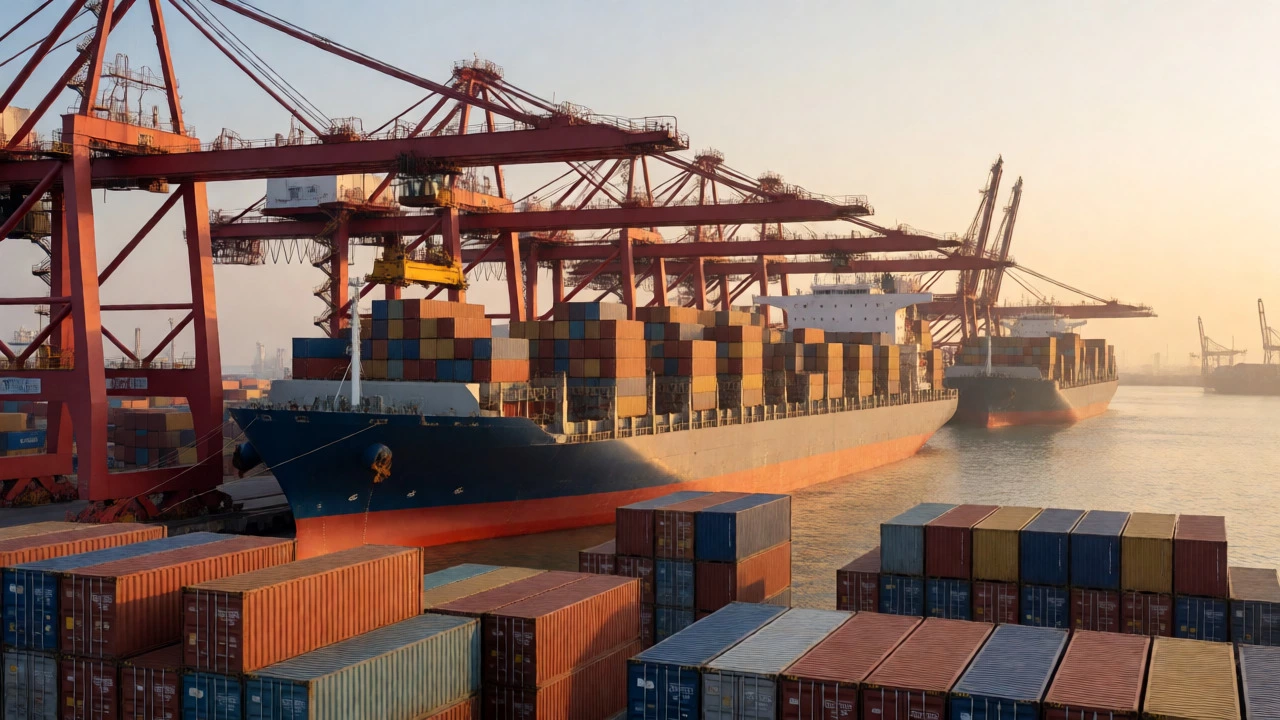
Imagine standing at a port in Mumbai or Chennai, watching containers being loaded onto massive cargo ships. These aren't just boxes; they are the lifeblood of India’s economy. But what exactly is inside those containers that the world can’t get enough of? If you’re thinking about starting an export business, knowing which products have the highest demand isn’t just helpful-it’s essential for survival.
The global market shifts faster than ever. What was hot five years ago might be saturated today. As we move through 2026, certain sectors in India are seeing unprecedented demand from buyers in Europe, North America, and Southeast Asia. This guide breaks down exactly what India exports most, why these items are winning, and how you can tap into this flow without getting lost in the logistics maze.
The Backbone of Trade: Engineering Goods and Machinery
Let’s start with the heavy hitters. For years, people assumed India only exported textiles or spices. That narrative is outdated. Today, engineering goods are consistently among the top categories by value. We are talking about everything from small automotive components to large industrial machinery.
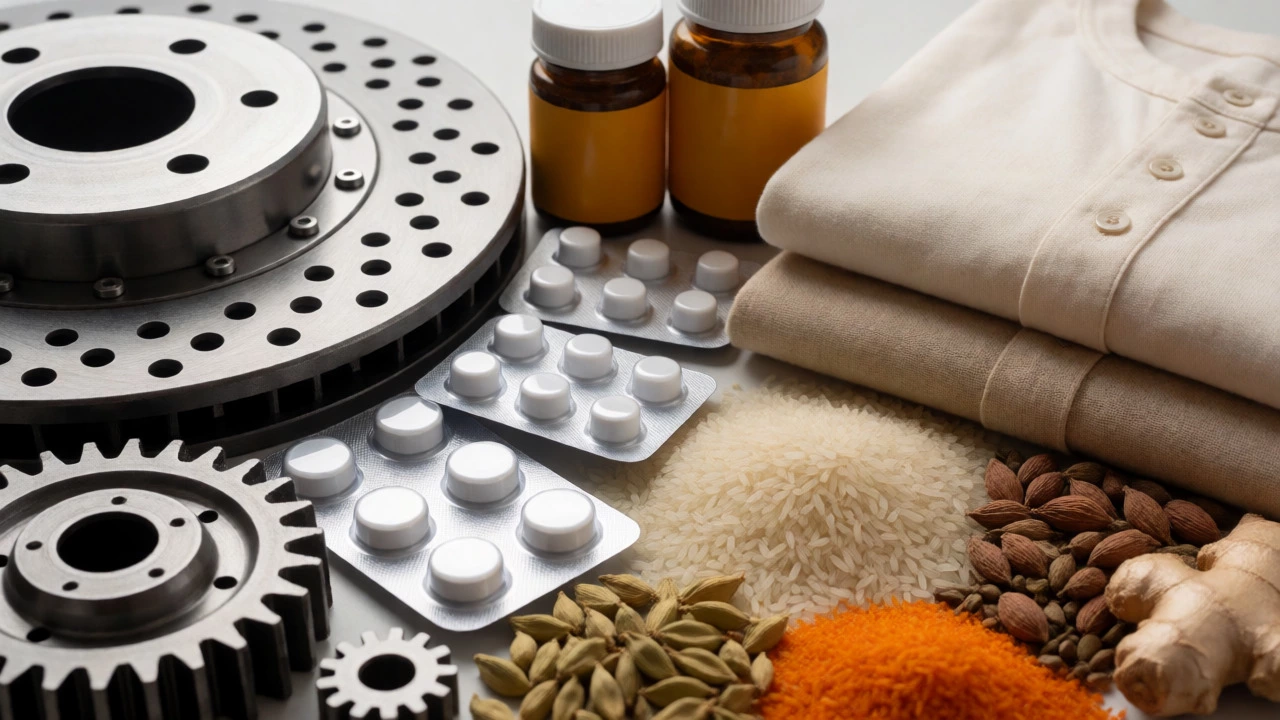
Why the surge? It comes down to cost-efficiency meeting quality. Indian manufacturers have invested heavily in automation and precision engineering. Buyers in Germany and Japan, known for their strict standards, are increasingly sourcing parts from Indian suppliers. If you look at the data, auto parts alone account for a significant chunk of this category. Think brake discs, transmission gears, and electronic control units.
- Automotive Components: High demand from US and EU car manufacturers looking to diversify supply chains away from single-source dependencies.
- Industrial Machinery: Pumps, valves, and compressors used in water treatment and oil & gas sectors globally.
- Electrical Equipment: Transformers and switchgear are critical as developing nations upgrade their power grids.
If you have connections in the manufacturing sector, this is where the volume is. The margins might be tighter than niche luxury goods, but the order sizes are often substantial and recurring.
Pharmaceuticals: The Pharmacy of the World
You’ve likely heard the term "pharmacy of the world" thrown around. It’s not just marketing hype. Generic pharmaceuticals remain one of India’s most critical exports, especially post-pandemic. The world relies on Indian labs for affordable medicine. This isn’t just about pills; it’s about Active Pharmaceutical Ingredients (APIs) too.
The demand here is driven by healthcare costs. In countries like the UK and Canada, public health systems are under pressure. They need reliable, low-cost drugs. Indian companies excel at producing generics that meet WHO-GMP (Good Manufacturing Practice) standards. However, entering this space requires serious compliance knowledge. You can’t just ship any batch; documentation is king.
| Sector | Primary Buyers | Entry Barrier | Growth Potential |
|---|---|---|---|
| Engineering Goods | USA, Germany, China | Medium (Certifications) | High |
| Pharmaceuticals | UK, Africa, LatAm | Very High (Regulatory) | Stable |
| Textiles & Apparel | USA, EU, Middle East | Low to Medium | Moderate |
| Agricultural Products | Gulf Countries, SE Asia | Medium (Quality Control) | High |
Textiles and Apparel: Beyond Basic Cotton
Yes, textiles are still huge. But don’t picture your grandfather’s handloom shop. The modern textile export scene is dominated by technical fabrics and fast fashion supply chains. Readymade garments continue to be a top export earner.
What’s changing? Sustainability. European brands are desperate for eco-friendly materials. Organic cotton, recycled polyester, and bamboo fibers sourced from India are commanding premium prices. If you’re in this sector, your selling point isn’t just price anymore-it’s transparency. Can you prove your cotton wasn’t grown using excessive pesticides? Can you show fair labor practices?
Another niche gaining traction is home textiles. Bedsheets, towels, and curtains made in places like Bhilwara and Panipat are flying off shelves in American retail stores. The trend toward "nesting"-making homes more comfortable-has kept this demand steady even during economic dips.
Agriculture: Spices, Rice, and Processed Foods
When you think of India, you think of flavor. Basmati rice and spices are iconic exports, but the real money now lies in processed foods. Ready-to-eat meals, organic snacks, and frozen vegetables are seeing double-digit growth.
Consider the diaspora effect. Millions of Indians live abroad, craving authentic tastes. But beyond nostalgia, there’s a global health trend. Turmeric, ginger, and ashwagandha are no longer just cooking ingredients; they’re superfoods. Supplements containing these extracts are booming in the US wellness market.
Fresh produce is also tricky but rewarding. Mangoes, bananas, and grapes go to the Gulf countries and Russia. The challenge? Cold chain logistics. One delay at customs, and your profit evaporates. If you choose this path, invest in reliable freight forwarders who specialize in perishables.
IT Services and Digital Exports
Wait, isn’t IT a service, not a good? Technically, yes. But in terms of foreign exchange earnings, software services rival physical goods. While you can’t put code in a container, the demand for Indian developers, data analysts, and cybersecurity experts is insatiable.
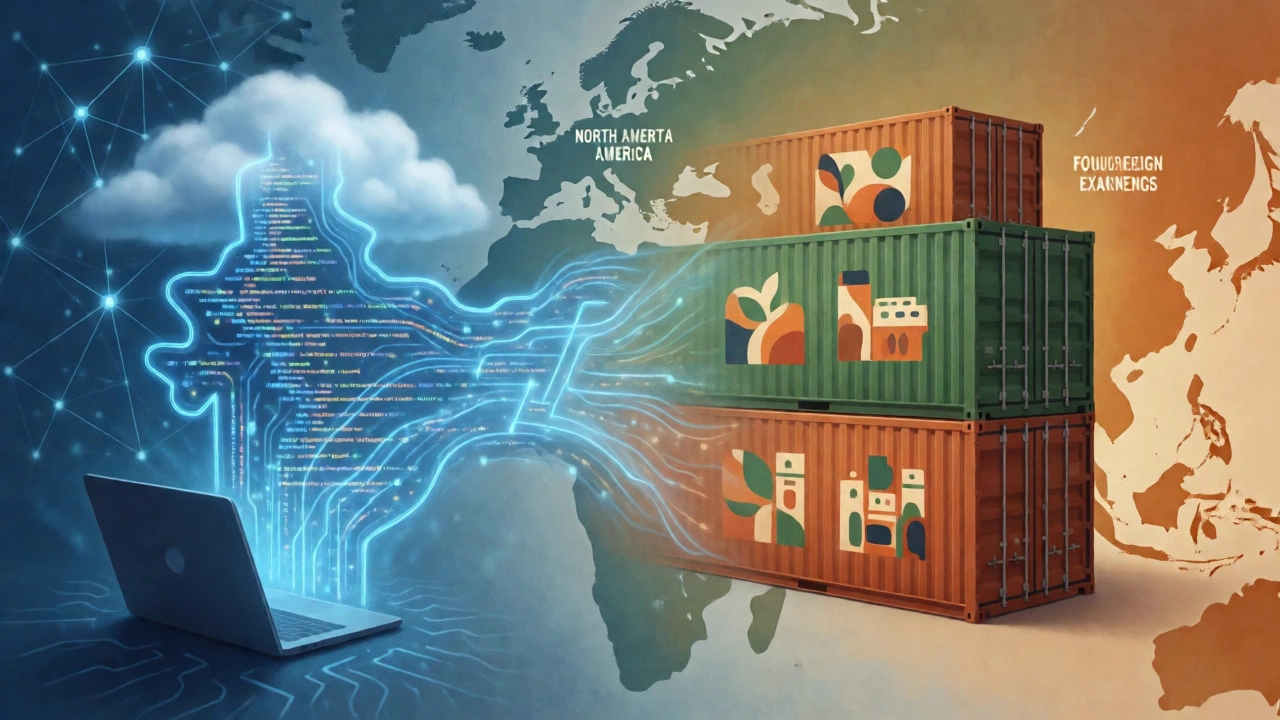
For an individual exporter, this translates differently. Maybe you don’t sell software licenses directly. Instead, you might export digital content, e-learning modules, or specialized BPO (Business Process Outsourcing) services. The barrier to entry is skills, not capital. A laptop and high-speed internet are your shipping containers.
How to Choose Your Niche
So, what should you pick? Don’t just chase the biggest numbers. Look at three factors:
- Your Network: Do you know a manufacturer? Do you have contacts in a specific country? Leverage existing relationships.
- Capital Availability: Pharma and engineering require working capital for long payment cycles. Textiles and agriculture can sometimes operate on shorter cycles if you manage inventory well.
- Compliance Appetite: Are you ready to deal with FDA approvals for food/drugs? Or do you prefer simpler customs procedures for general merchandise?
Remember, the "most demanded" product globally might not be the most profitable for *you* if you lack the infrastructure to support it. Start small, test the waters with samples, and build trust.
Pitfalls to Avoid in 2026
Global trade is volatile. Here are common traps new exporters fall into:
- Ignoring Incoterms: Not understanding whether you pay for insurance or freight can wipe out your margin. Always clarify who bears the risk at each stage.
- Underestimating Quality Checks: A rejected shipment due to minor defects can cost more than the profit on ten successful ones. Hire third-party inspectors before loading.
- Currency Fluctuations: The Rupee vs. Dollar rate changes daily. Use hedging instruments offered by banks to lock in rates if orders are large.
Also, keep an eye on geopolitical tensions. Trade routes shift. Recently, many companies moved sourcing from other Asian hubs to India due to stability concerns elsewhere. Stay agile.
Final Thoughts on Entering the Market
India’s export landscape is diverse. Whether you’re shipping tons of steel, boxes of turmeric powder, or lines of code, the opportunity is real. The key is specificity. Don’t try to export "everything." Pick one product line, master its regulations, find reliable buyers, and scale.
The world wants what India makes. Your job is to make sure it gets there efficiently, safely, and profitably. With the right strategy, you’re not just moving goods; you’re building a brand that crosses borders.
What is the single largest export category from India?
As of 2026, engineering goods and petroleum products typically vie for the top spot by total value. However, when excluding refined petroleum (which is often re-exported), engineering goods, electronics, and pharmaceuticals lead the list for domestically manufactured value.
Do I need a special license to export food products?
Yes, generally. You will need an Import-Export Code (IEC) and often specific certifications from the Food Safety and Standards Authority of India (FSSAI). Additionally, the destination country may require specific health certificates or FDA registration (for the US).
Which countries buy the most from India?
The United States remains India’s largest trading partner for goods. Other major buyers include the United Arab Emirates, Saudi Arabia, the Netherlands, and China. Demand varies by product; for instance, the UAE buys significant amounts of gold and gems, while the US imports more IT services and machinery.
Is it expensive to start an export business in India?
It depends on the model. Trading (buying finished goods to resell) has lower upfront costs than manufacturing. However, you must budget for IEC registration, bank guarantees, logistics, and initial marketing. Working capital is usually the biggest hurdle because international payments can take 30-90 days.
How do I find international buyers?
Use B2B platforms like Alibaba and IndiaMART, attend trade fairs (both virtual and physical), and leverage the Indian Trade Portal. Networking through chambers of commerce in target countries is also highly effective. Direct outreach via LinkedIn to procurement managers works well for niche products.
