Discover the top high-demand products to export from India in 2026. From organic spices and generic medicines to engineering goods and digital services, learn which sectors offer the best margins and growth opportunities for exporters.
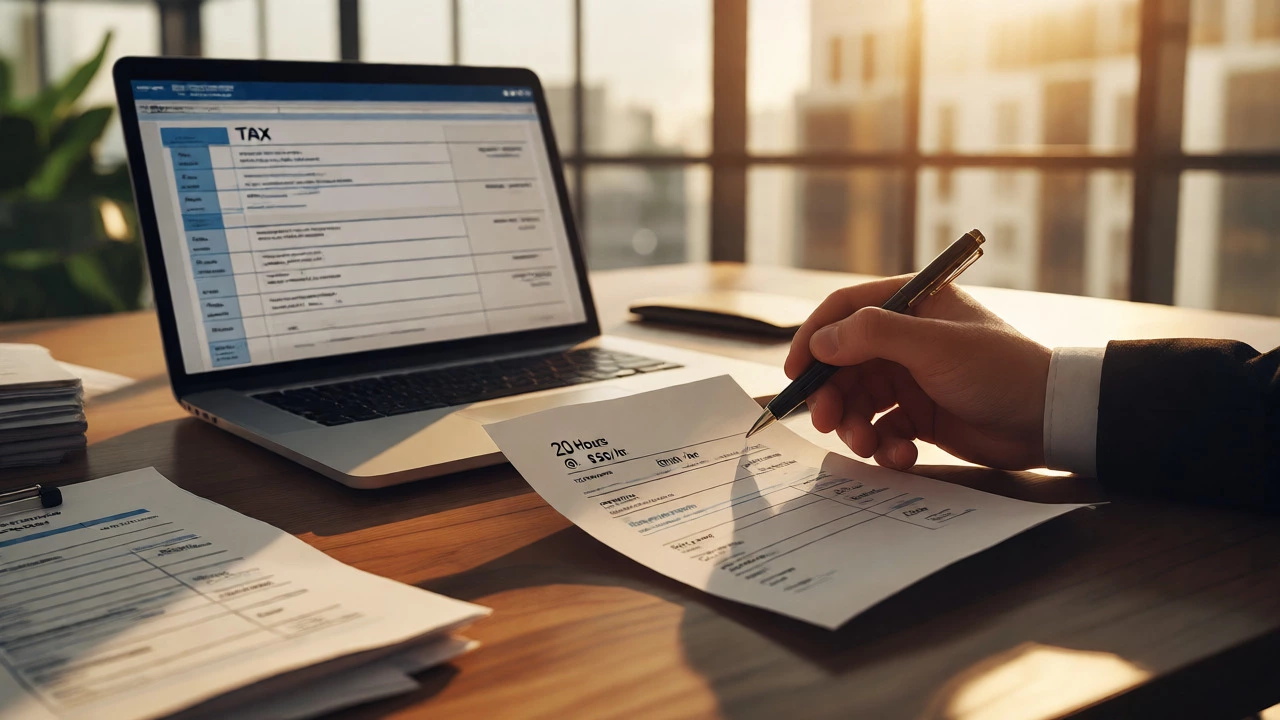
Paying 1099 contractors hourly is legal but risky. Learn how IRS rules distinguish contractors from employees and avoid costly misclassification penalties.
Discover why 90% of start-ups fail, from lack of market need to poor cash flow management. Learn actionable strategies to validate your idea, manage burn rates, and build a resilient team. Avoid common pitfalls and boost your chances of long-term success.
Discover why the traditional 4 P's are outdated and learn how the 7 P's of Marketing-adding People, Process, and Physical Evidence-drive modern business success.
Discover the best online business to start in 2026. We compare freelancing, digital products, e-commerce, and SaaS models based on cost, risk, and scalability.
Discover how small Indian businesses can realistically reach million-dollar revenues. Learn why bootstrapping, high-margin niches, and digital leverage matter more than VC funding.
Learn the exact income limits for small businesses in Australia. Understand the $75,000 GST threshold and how to minimize income tax through valid deductions.
Learn the exact criteria for Startup India eligibility in 2026, including age limits, turnover caps, and entity types. Avoid common rejection mistakes and unlock tax benefits.
Discover the real rules for OCI holders doing business in India. Learn about FDI regulations, tax residency traps, and step-by-step guides to setting up a compliant startup.
Learn how to draw a simple business plan with our step-by-step guide. Discover why one-page plans work, how to project finances, and which templates to use for success.
Discover the top reasons small businesses fail, from cash flow crises to poor market validation. Learn practical strategies to avoid these pitfalls and build a resilient, profitable enterprise.