
Franchise Success Calculator
Your Franchise Survival Estimate
Based on Indian franchise industry data (2025). The average lifespan is 4-6 years, with 55% failing before year 5.
Most people think buying a franchise means instant success. You get a brand name, training, and a proven system-so how hard can it be? But the truth is, many franchises in India don’t last five years. If you’re considering investing in one, you need to know what really happens after the initial excitement fades.
What’s the Real Lifespan of a Franchise in India?
The average franchise in India survives between 4 to 6 years. That’s not a failure-it’s the norm. Data from the Franchise India Association and surveys by the Confederation of Indian Industry (CII) show that about 55% of franchises close before year five. Only 30% make it past decade. This isn’t because the brands are weak. It’s because franchisees often misunderstand what they’re buying.
Take a popular food franchise in Bangalore. The parent company promises ₹20 lakh annual returns. The franchisee signs up, spends ₹15 lakh on setup, hires staff, and opens in a high-footfall mall. Six months later, footfall drops. Competitors open nearby. The corporate office doesn’t send marketing support. The franchisee keeps paying royalties, but revenue falls. By year three, they’re barely breaking even. Many just walk away.
Why Do Franchises Fail So Often?
It’s not the brand. It’s the person behind the counter.
Most franchisees in India are first-time business owners. They think they’re buying a passive income stream. They’re not. Running a franchise is like owning a small business-with rules. You have to follow the manual. You can’t change the menu, pricing, or uniforms without approval. You have to attend mandatory training. You pay 5-8% of revenue as royalty, plus 2-3% for advertising.
Here’s what actually kills franchises:
- Lack of hands-on involvement: Owners hire managers and disappear. Within months, service drops, quality slips, and customers leave.
- Wrong location: A franchise that works in Delhi may flop in Jaipur. Footfall, income levels, and competition vary wildly.
- Undercapitalization: Many franchisees use all their savings to pay the upfront fee. They run out of cash before breaking even, which often takes 12-18 months.
- Over-reliance on the franchisor: Some expect the brand to bring customers. But unless you’re McDonald’s or Domino’s, you need to market locally.
- Franchisor mismanagement: Some brands expand too fast. They sign too many franchisees, then can’t support them with training, supply chains, or marketing.
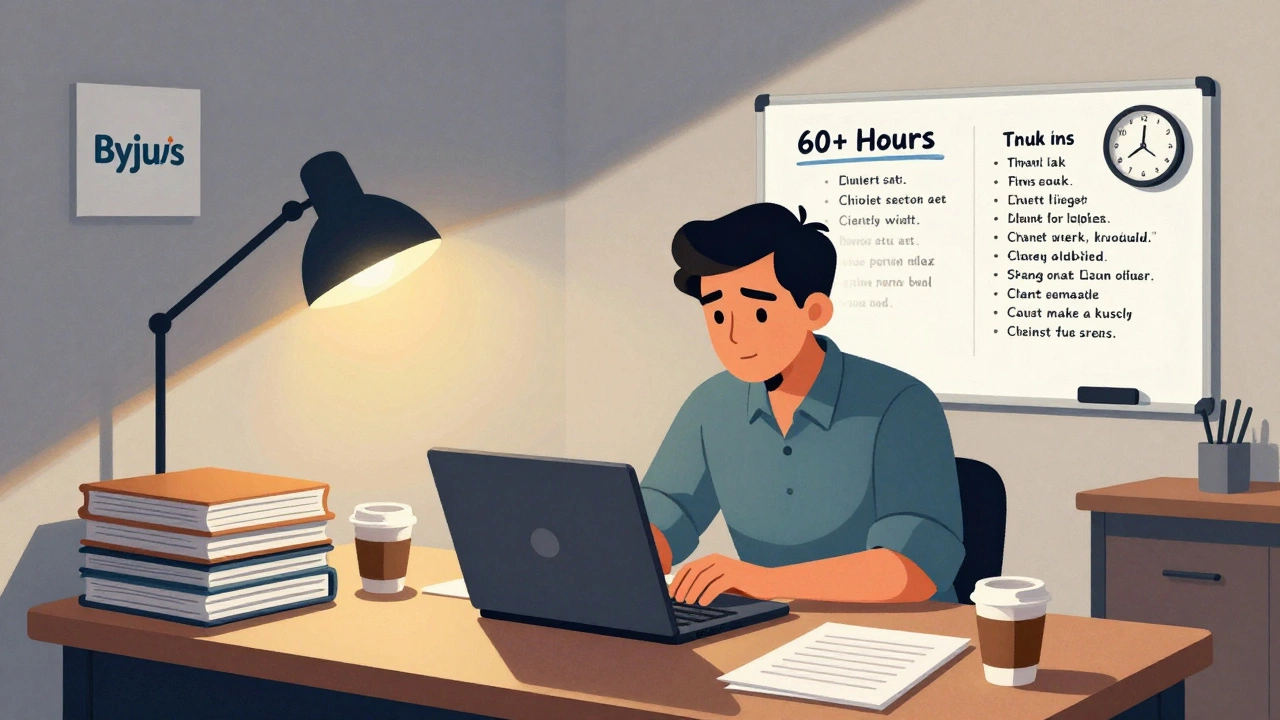
One study by the Indian Institute of Management, Ahmedabad, tracked 120 food and retail franchises over five years. Franchisees who worked 60+ hours a week had a 72% survival rate. Those who worked less than 40 hours had only a 28% survival rate.
Which Franchises Last the Longest?
Not all franchises are created equal. Some sectors have much higher survival rates.
Franchises that last 10+ years in India usually share these traits:
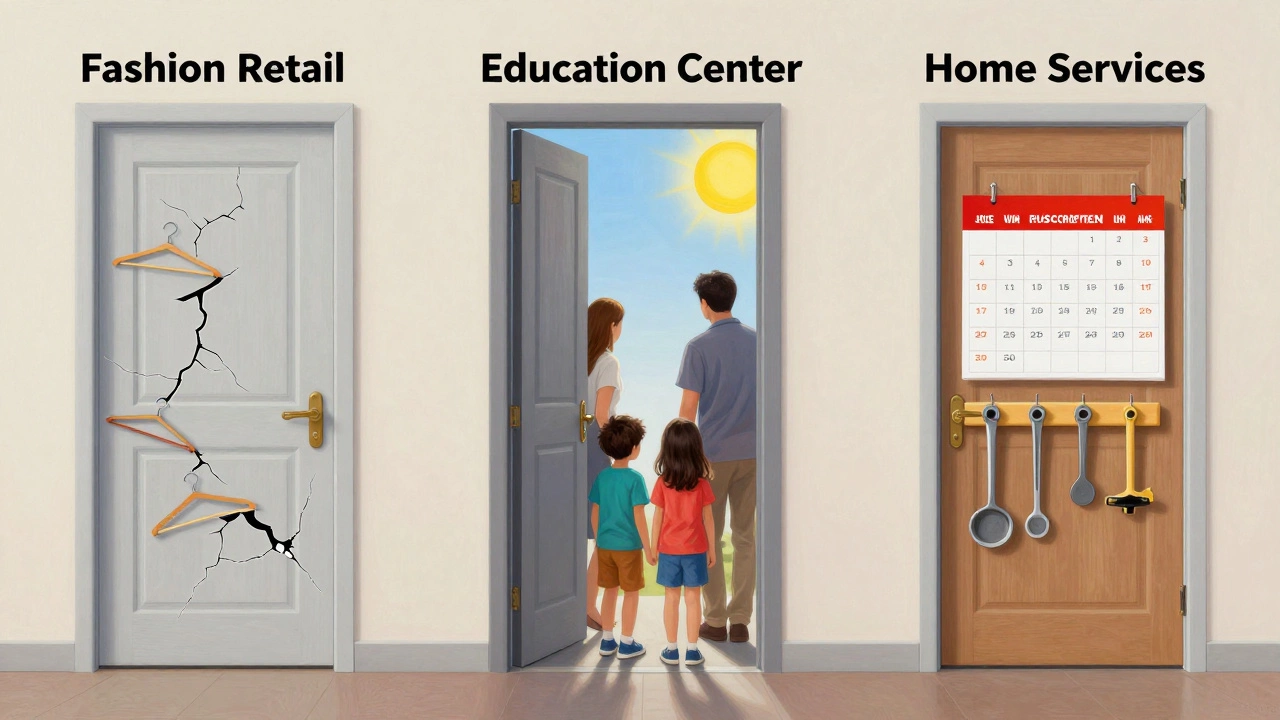
- Essential services: Education centers, healthcare clinics, and repair services (like AC servicing or mobile phone repair) have steady demand.
- Low overhead: Home-based franchises like tutoring, digital marketing agencies, or laundry pickup services cost less to run and scale easier.
- Strong local support: Brands that send field officers monthly, provide digital marketing tools, and help with local promotions outlast those that just send a manual.
- Recurring revenue: Subscription models (like daily milk delivery, fitness memberships, or salon packages) keep cash flowing even when new customers slow down.
For example, a tutoring franchise under Byju’s or Allen Career Institute in Tier-2 cities often lasts 8-12 years. Why? Parents keep paying monthly fees. The brand provides content, exams, and student tracking tools. The franchisee just needs to show up and manage the classroom.
On the flip side, fashion retail franchises, especially from new Indian brands, often fold within 3 years. Trends change fast. Inventory turns slow. Rent in malls is high. Without constant marketing, they vanish.
How to Pick a Franchise That Will Last
If you’re serious about making it past year five, here’s what to do:
- Check the franchisor’s track record. Ask for a list of current and closed outlets. Visit 3-5 locations. Talk to franchisees-not just the sales team.
- Look at the financials. Request audited P&L statements for at least 3 outlets. If they won’t share, walk away.
- Calculate your break-even point. How many customers per day do you need? What’s your monthly cost? Don’t trust the franchisor’s projections. Do your own math.
- Test the support. Call their customer service. Ask a technical question. See how fast they reply. Visit their headquarters. Are they organized? Or chaotic?
- Start small. If you can, begin with a smaller unit or a home-based model. Test the waters before investing ₹50 lakh.
One franchisee in Pune started with a ₹3 lakh home-based digital marketing franchise under a well-known brand. After 18 months, he was earning ₹1.2 lakh/month. He then opened a second outlet. He’s now running three and has no debt. He didn’t chase a flashy mall location. He focused on clients, not square footage.
What Happens After 5 Years?
If your franchise survives past five years, you’re in the top 45%. At this point, you have three choices:
- Renew your franchise agreement: Most contracts renew every 5 years. Expect higher fees and stricter rules.
- Buy out the brand rights: Some franchisors let you buy the license permanently. You keep the brand but run it independently. This is rare, but it happens with strong performers.
- Exit and start your own brand: Many successful franchisees use the training and customer base to launch their own business. One former Wow! Momo franchisee in Hyderabad opened his own street food chain-using the same recipes, but with his own name. He kept 80% of his old customers.
The key isn’t just surviving. It’s learning. Franchises are schools for entrepreneurs. The ones who last don’t just run a store-they learn how to manage people, cash flow, marketing, and systems.
Franchise Lifespan by Sector (India, 2025)
| Franchise Sector | Average Lifespan | 5-Year Survival Rate | 10-Year Survival Rate |
|---|---|---|---|
| Education & Tutoring | 8-12 years | 78% | 55% |
| Health & Wellness (Clinics, Gyms) | 7-10 years | 72% | 48% |
| Food & Beverage (Quick Service) | 5-7 years | 61% | 35% |
| Retail (Fashion, Accessories) | 3-5 years | 44% | 18% |
| Home Services (Cleaning, Repair) | 6-9 years | 68% | 45% |
| Digital Services (Marketing, IT) | 7-11 years | 75% | 52% |
Notice the pattern? The longer-lasting franchises are service-based, have recurring revenue, and don’t rely on fashion trends. If you want your franchise to last, pick one that solves a daily problem-not one that sells trendy clothes.
Is a Franchise Right for You?
Franchises aren’t for everyone. They’re great if you:
- Want structure and training
- Can follow rules (even when you think they’re silly)
- Are willing to work 60+ hours a week for the first 2 years
- Have 12-18 months of living expenses saved
- Want to own a business but don’t want to build a brand from scratch
They’re not for you if you:
- Want total freedom to change everything
- Think you can run it with a manager
- Expect quick returns
- Don’t like paperwork or reporting
Franchising isn’t a shortcut. It’s a slower, safer path to business ownership. But only if you treat it like a real job-not a lottery ticket.
What is the average lifespan of a franchise in India?
The average franchise in India lasts between 4 to 6 years. About 55% close before year five, and only 30% survive past 10 years. Survival rates vary widely by sector-education and home services tend to last longer than fashion retail.
Which franchises have the highest success rate in India?
Franchises with recurring revenue and low overhead have the highest success rates. Education centers, healthcare clinics, home repair services, and digital marketing agencies lead the pack. Brands like Byju’s, Allen Career Institute, and local service franchises often last 8-12 years because they solve daily needs and have steady customer payments.
Why do most franchises fail in India?
Most fail because franchisees treat them like passive investments. They hire managers, underfund operations, pick bad locations, or expect the brand to bring all customers. The real reason? They don’t work hard enough in the first two years. Franchises require daily effort-especially in the early stages.
Can you make money from a franchise in India?
Yes, but not quickly. Most franchisees break even after 12-18 months. Profitability depends on location, effort, and sector. Successful franchisees in education or home services often earn ₹1.5-3 lakh/month after year three. But many never reach that point because they quit too early.
Should I buy a franchise or start my own business?
If you’re new to business and want a proven system, a franchise is safer. If you’re creative, have marketing skills, and want full control, starting your own brand gives higher long-term rewards. Franchises teach you how to run a business. Once you’ve learned, many successful owners leave the brand and launch their own.
Final Thought: It’s Not About the Brand, It’s About You
The brand name on the sign doesn’t guarantee success. The person behind the counter does. Franchises in India work best for those who treat them like their own business-because they are. You’re not buying a paycheck. You’re buying a system to build something lasting. If you’re ready to work hard, learn fast, and adapt daily, a franchise can be your best launchpad. If you’re looking for easy money? You’ll be another statistic.
