
Franchise Investment Calculator
Estimate Your Franchise Investment Needs
Based on Indian market standards for 2026. Input your specific numbers to calculate your total investment requirement.
Want to own a business in India but don’t want to build everything from scratch? A franchise might be your best bet. You get a proven brand, training, and support - all while running your own shop. But how do you actually take a franchise in India? It’s not just about picking a name you like. There’s a process. And if you skip steps, you could end up losing money, time, or both.
Understand What a Franchise Really Means
A franchise isn’t just buying a logo. It’s a legal agreement where you pay for the right to use someone else’s business model, brand, and systems. In India, this works across food, retail, education, fitness, and even automotive services. Brands like Domino’s Pizza, a global pizza chain that operates over 1,500 outlets in India through franchisees, or Surya Roshni, a lighting and home products franchise with over 500+ franchisees across Tier-2 and Tier-3 cities, rely on this model.
You’re not starting a new business. You’re running a copy of an existing one - with rules. That means you can’t change the menu, pricing, or branding without approval. But you also get marketing support, supply chains, and customer trust already built in.
Check Your Financial Readiness
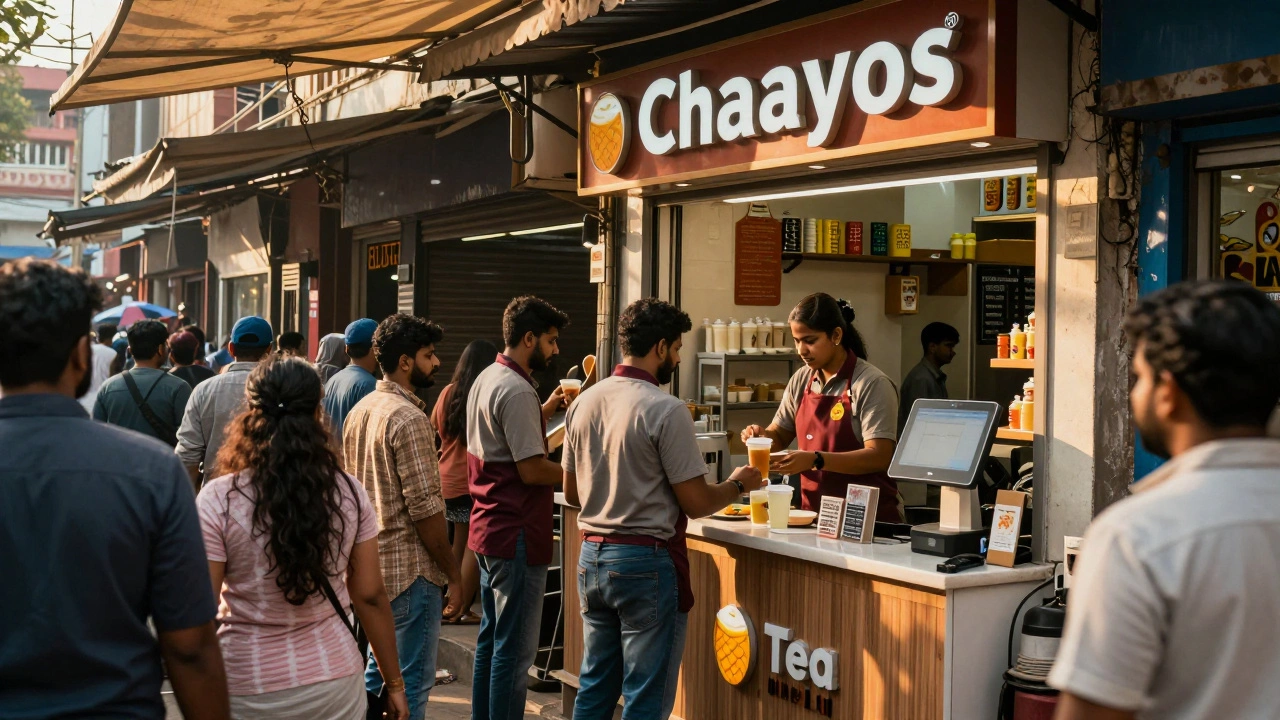
Franchises in India cost anywhere from ₹5 lakh to ₹5 crore, depending on the brand and location. Don’t assume all franchises are cheap. A small kiosk for a tea brand might need ₹8-12 lakh. A full-service gym or school franchise? That could hit ₹30-50 lakh upfront.
Here’s what you need to cover:
- Franchise fee (one-time payment to the brand)
- Security deposit (refundable, usually 10-20% of setup cost)
- Initial inventory and equipment
- Renovation and interior setup
- First 3-6 months of operating costs (rent, salaries, utilities)
- Working capital for unexpected delays
Most successful franchise owners have at least 40% of the total cost as their own savings. Banks won’t lend 100%. If you’re relying on a loan, you need a solid business plan and collateral. Some brands like Burger King India, offers financing options through partner NBFCs for qualified franchisees, but even then, you need to show income stability.
Choose the Right Brand - Not the Trendiest One
Just because a brand is popular on Instagram doesn’t mean it’s profitable in your city. Look at three things:
- Footfall data - Ask for sales reports from existing franchisees. Not just numbers - ask how many customers walk in daily. A burger chain might claim 500 customers/day - but if that’s in Mumbai, it’s useless in a small town in Madhya Pradesh.
- Support structure - Does the brand send field managers monthly? Do they help with hiring, training, or marketing? Some franchises just hand over a manual and disappear.
- Contract flexibility - Can you exit if things go south? Some contracts lock you in for 10 years with no buyout option.
Check franchisee reviews on Franchise India, a trusted platform listing verified franchise opportunities with real owner testimonials or join Facebook groups like "Franchise Owners of India". Talk to 3-5 existing owners. Ask: "Would you do it again?" If two say no, walk away.
Verify Legal and Regulatory Compliance
India doesn’t have a single franchise law. But you still need to follow rules. Here’s what you must do:
- Register your business as a Private Limited Company or LLP - sole proprietorship won’t work with most big brands
- Get GST registration - mandatory for all franchisees
- Sign a Franchise Agreement - never skip this. Read every clause. Look for hidden fees, renewal terms, and territory rights
- Get FSSAI license if it’s food-related - even if the brand says they’ll handle it, verify they’ve done it for your location
- Check local municipal bylaws - some cities restrict commercial spaces in residential zones
Many franchisees get stuck because they didn’t check zoning laws. You sign a lease for a 2,000 sq ft space - only to find out the city won’t allow a retail outlet there. Always confirm with the local municipal corporation before signing any lease.
Find the Right Location - It’s Not About Size
Location is everything. A 500 sq ft outlet in a busy market can outperform a 3,000 sq ft space in a quiet housing colony. Look for:
- High foot traffic - not just pedestrians, but people who stop and buy
- Easy parking or public transport access
- Proximity to schools, offices, or residential complexes
- Low competition - if there are three coffee shops within 500 meters, you’re fighting for scraps
Use Google Maps to check foot traffic patterns. Visit the spot at 8 AM, 12 PM, and 7 PM on weekdays and weekends. See who’s walking by. Are they in a hurry? Or do they stop and look? That tells you more than any market report.
Negotiate the Franchise Agreement
This is where most people mess up. They sign without reading. Here’s what to watch for:
- Initial fee - Is it one-time? Or does it renew every year?
- Royalty fee - Usually 5-8% of monthly sales. Some charge fixed amounts - avoid those.
- Marketing fee - 2-3% is normal. Anything above 5% is a red flag.
- Term length - 5 years is standard. 10+ years? Negotiate or walk away.
- Renewal terms - Can you renew? What’s the cost? Is it automatic?
- Termination clause - Can you leave early? What’s the penalty?
Always get a lawyer who knows franchise law in India. Don’t trust the brand’s legal team. They work for them, not you.
Set Up and Train
Once the contract is signed, the brand will help you set up. But you need to be involved:
- Attend all training sessions - even if they’re boring. This is where you learn the real system
- Shadow an existing outlet for 3-5 days - watch how they handle inventory, staff, complaints
- Test the supply chain - order sample products. Are they delivered on time? Are they fresh?
- Build your team early - hire your manager and key staff before opening day
Many franchisees open too fast. They rush the launch. Then they realize their staff doesn’t know how to make the product. Or the POS system crashes. Slow down. Do it right.
Launch and Monitor
Your first 90 days are critical. Track:
- Daily sales vs. projected targets
- Customer feedback - use simple paper surveys or QR codes
- Staff turnover - if people leave in the first month, something’s wrong
- Inventory waste - too much spoilage? Your ordering system needs fixing
Most franchises break even between 8-14 months. If you’re not seeing progress by month 6, talk to your franchisor. If they’re unresponsive, start looking for alternatives.
Common Mistakes to Avoid
- Choosing a brand based on TV ads - popularity ≠ profitability
- Ignoring location research - a great brand in the wrong place fails
- Not reading the agreement - hidden fees can eat 30% of your profit
- Underestimating working capital - you need 6 months of cash buffer
- Trying to customize the brand - franchises work because they’re standardized
There’s no shortcut. The best franchise owners in India didn’t get lucky. They did the homework. They talked to real people. They planned for failure. And they stayed patient.
Can I start a franchise with no experience?
Yes, many franchise brands in India actively seek first-time entrepreneurs. Companies like Baskin Robbins India, offer full training programs for franchisees with zero prior business experience. But you still need financial discipline, willingness to follow systems, and time to learn. Experience helps - but it’s not required.
Which franchises have the highest success rate in India?
Based on data from Franchise India and National Franchise Association, food and beverage brands like Chaayos, a tea and snack chain with over 80% franchisee retention rate, and education centers like Byju’s Learning Centers, with structured curriculum and parent trust, have the highest success rates. These brands offer strong support, recurring revenue, and low operational complexity. Avoid brands that require heavy inventory or complex tech - they’re harder to manage.
Is it better to buy a local franchise or a national one?
It depends on your goals. National brands (like McDonald’s or Pizza Hut) give you instant recognition and marketing power - but they’re expensive and rigid. Local brands (like Kumbakonam Coffee, a regional coffee chain with 40+ outlets in Tamil Nadu) are cheaper, more flexible, and often have loyal local customers. If you’re new, start with a regional brand. Learn the ropes. Then scale.
Do I need to be in India to run a franchise?
Yes. Most franchise agreements require the franchisee to be physically present and actively managing the outlet. You can hire a manager, but you must be available for audits, training, and compliance checks. If you’re overseas, you’ll likely violate the contract. Some brands allow NRI investors - but only if they hire a full-time local partner.
How long does it take to break even on a franchise in India?
On average, it takes 8 to 14 months. Fast-moving consumer goods (FMCG) and food outlets often break even faster - around 6-8 months. Education, fitness, or high-investment franchises can take 18-24 months. The key is managing cash flow. Many fail not because they lose money - but because they run out of cash before profits kick in.
