Indian No 1 Business: What Makes a Business Truly Top in India
When people talk about the Indian No 1 business, a business that leads in scale, impact, and sustainability within India’s unique economic landscape. Also known as top-performing enterprise in India, it’s not always the one with the most funding or the flashiest app. It’s the one that solves real problems for real people—using tools like UPI, WhatsApp, and government schemes to grow fast without big capital.
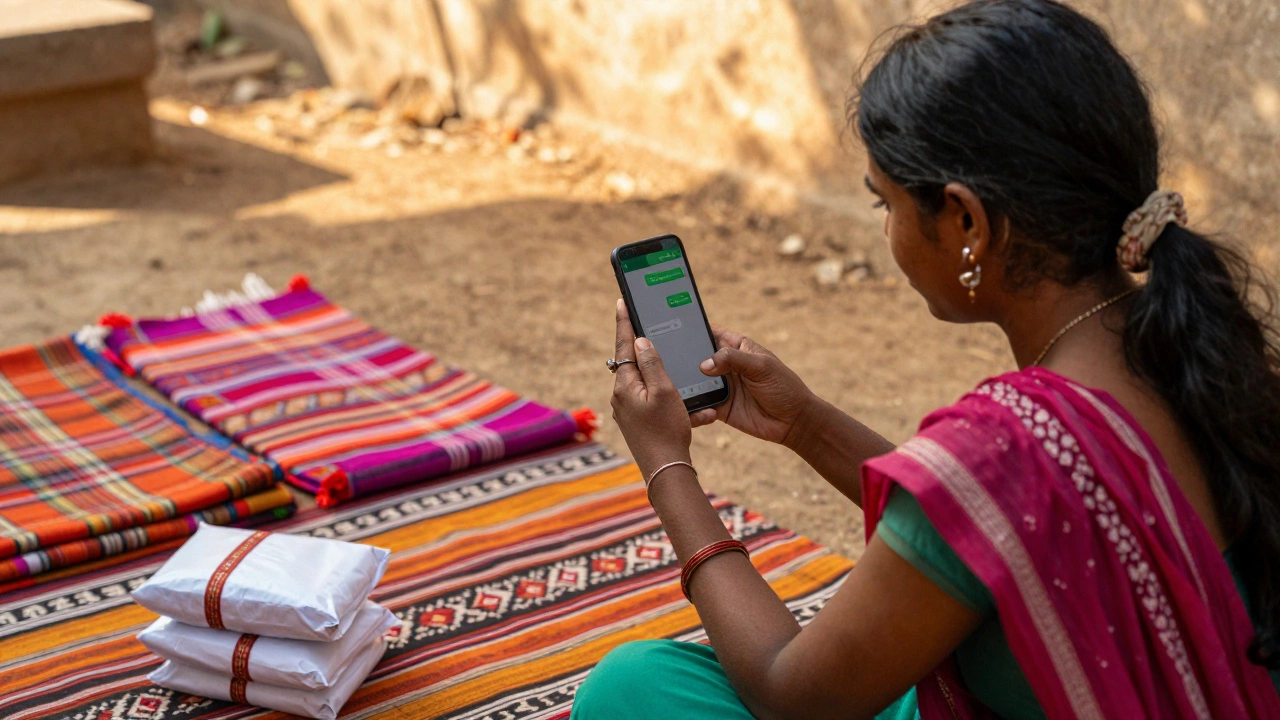
What separates the top businesses in India isn’t just innovation—it’s adaptability. Take government schemes India, central and state-level programs like PM-KISAN, Ujjwala, and Digital India that provide cash, connectivity, and infrastructure to millions. These aren’t just welfare tools—they’re growth engines. Startups like Physics Wallah didn’t just build an app; they plugged into these systems to reach students in small towns with affordable education. That’s how you scale without burning through venture cash. And it’s not just tech. The fastest-growing businesses right now are hyperlocal: a mom-and-pop repair shop using UPI for payments, a home kitchen selling meals via WhatsApp, or a rural seller exporting handloom products through government export portals. These aren’t unicorns. They’re unsexy, unstoppable, and deeply rooted in local needs.
Being the Indian No 1 business doesn’t mean being the biggest. It means being the most efficient at turning limited resources into maximum value. It’s about understanding GST thresholds so you don’t overpay, knowing when to skip an MBA and learn digital marketing through free YouTube courses, or realizing you don’t need an EIN or OCI card to run a profitable online business from Andhra Pradesh. The top players in India today aren’t copying Silicon Valley—they’re rewriting the rules using India’s own infrastructure: digital IDs, instant payments, and public policy.
What you’ll find below isn’t a list of flashy startups. It’s a collection of real, actionable insights from businesses that are winning—not because they raised millions, but because they understood the system, worked within it, and used it better than anyone else. Whether you’re starting with $500 or scaling an export business, the path to being India’s next top business starts with knowing what actually works here—not what works elsewhere.
E-commerce is India's No. 1 business in 2025-low cost, high scalability, and massive rural growth. Discover why it beats franchises, food delivery, and services, and how to start your own with minimal investment.