Indian E-commerce Platform Selector
Recommendation:
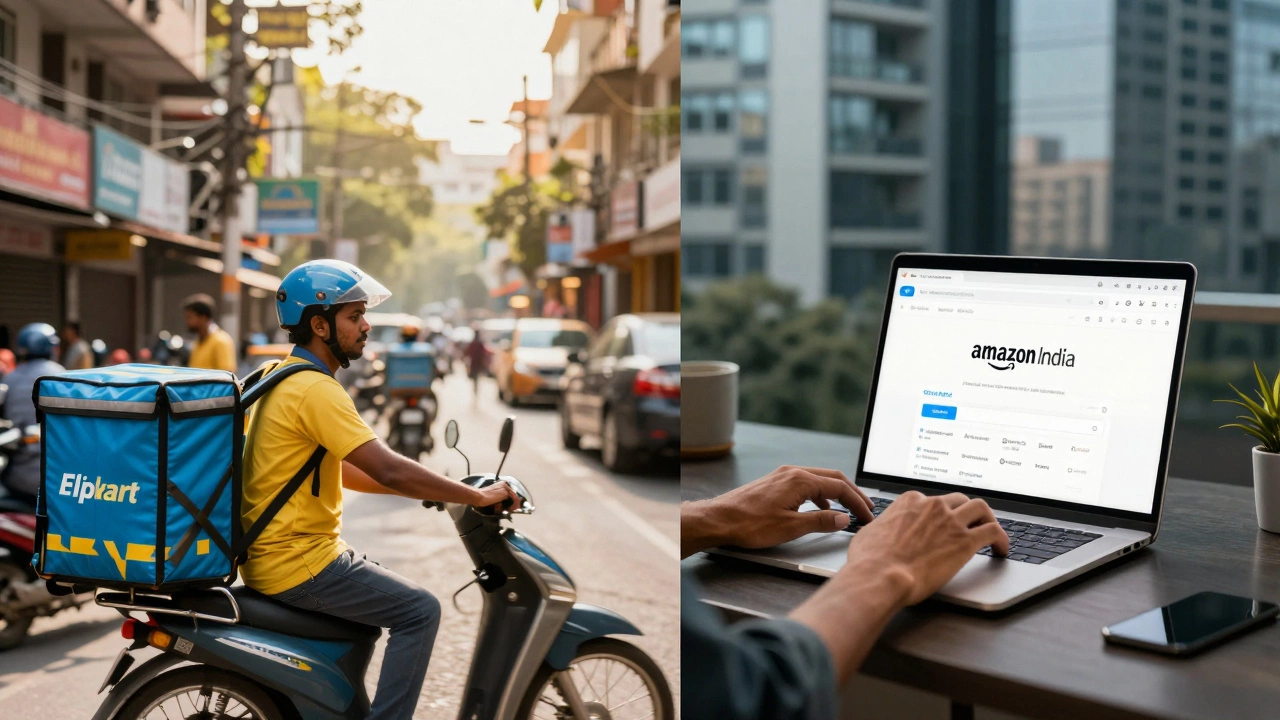
Walk into any neighborhood store in Mumbai or scroll through your phone in Bangalore, and you will see the same two logos fighting for your attention. Amazon India is the global retail giant that has aggressively expanded its logistics and seller network across the subcontinent. Then there is Flipkart, which is an Indian-founded marketplace owned by Walmart that dominates key demographics and categories like fashion and electronics. For years, the question of who is number one has been a tight race between these two titans. But if you are asking who holds the spot for the second largest e-commerce company in India, the answer depends entirely on how you measure "size."
If we look at Gross Merchandise Value (GMV)-the total value of goods sold-the battle is primarily between Flipkart and Amazon. However, the landscape shifted dramatically in 2024 and 2025 with the explosive rise of social commerce. This means the runner-up title isn't just about traditional web browsing anymore; it's about app engagement and tier-2 city penetration.
The Big Two: Flipkart vs. Amazon India
To understand who is second, we first have to establish who is first. In recent quarters leading up to 2026, Flipkart has frequently claimed the top spot in terms of active users and GMV in specific high-value categories like consumer electronics and mobile phones. Backed by Walmart, which acquired a controlling stake in 2018, Flipkart leverages deep local supply chain knowledge. They built their own logistics arm, Ekart, which allows them to reach remote areas where international competitors struggle.
Amazon India, on the other hand, plays the long game with heavy investment in technology and seller services. Launched in 2013, Amazon focuses on customer experience, faster delivery promises, and a robust Prime membership ecosystem. While Flipkart often leads in user count during mega-sale events like Big Billion Days, Amazon counters with Great Indian Festival sales that drive massive transaction volumes.
So, if Flipkart is generally considered the leader in user base and brand recall among younger Indians, then Amazon India is widely regarded as the second largest player in the traditional e-commerce duopoly. However, this binary view is outdated. The real story of 2026 involves a third contender that is eating into both their lunch.
The Disruptor: Meesho’s Rise to Prominence
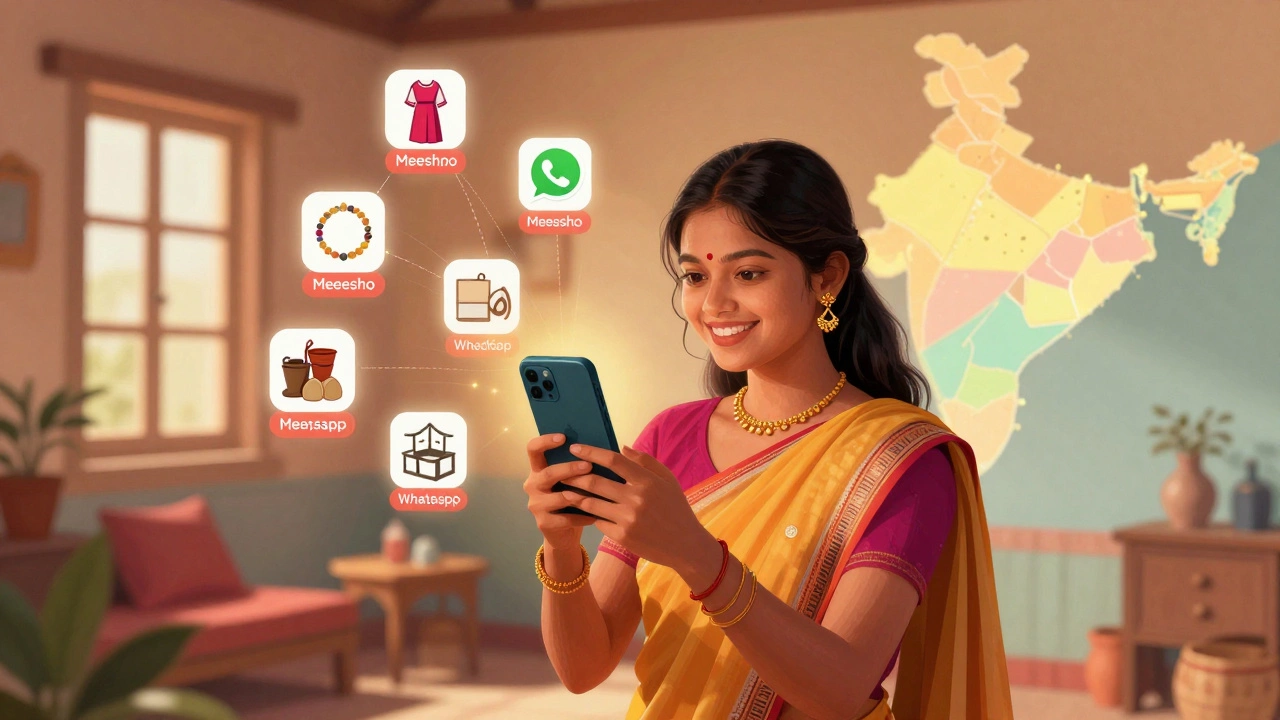
You cannot talk about the ranking of e-commerce companies in India in 2026 without mentioning Meesho, which is a social commerce platform that empowers resellers to start businesses via WhatsApp and Facebook, targeting budget-conscious consumers in smaller towns. Founded in 2015 by Vidit Aatrey and Sanjeev Bikhchandani, Meesho disrupted the market by focusing on what Amazon and Flipkart ignored: the non-metro population.
While the big two fought over smartphone owners in Delhi and Hyderabad, Meesho went viral in Bihar, Uttar Pradesh, and Rajasthan. By 2025, Meesho reported GMV figures that rivaled the combined early-stage growth of its competitors. Their zero-commission model for sellers attracted millions of small vendors, offering prices significantly lower than those found on Amazon or Flipkart.
In terms of app downloads and monthly active users, Meesho has occasionally surpassed both Amazon and Flipkart individually. If you define "largest" by user acquisition speed and engagement in tier-2 and tier-3 cities, Meesho might actually be the largest. But in terms of total revenue and high-ticket item sales, they still trail behind the established giants.
Key Metrics: How We Define "Second Largest"
Ranking e-commerce companies is tricky because different metrics tell different stories. Here is a breakdown of how the major players stack up as of mid-2026.
| Company | Primary Strength | Target Audience | Estimated Market Position |
|---|---|---|---|
| Flipkart | Mobiles, Fashion, Logistics (Ekart) | Mass Market, Tier 1 & 2 | #1 in User Count |
| Amazon India | Electronics, Books, Prime Services | Urban, Premium Buyers | #2 in Traditional GMV |
| Meesho | Budget Fashion, Social Reselling | Tier 2, 3 & Rural | #1 in Growth Rate |
| Reliance JioMart | Grocery, Offline-Online Hybrid | Existing Jio Users | Rapidly Rising Challenger |
Based on total Gross Merchandise Value (GMV) from direct-to-consumer sales, Amazon India typically holds the second position behind Flipkart. However, if you include social commerce GMV, Meesho narrows the gap significantly. Meanwhile, Reliance JioMart is a hybrid grocery and general merchandise platform integrated with the Jio digital ecosystem, leveraging offline stores for online orders. JioMart is not yet in the top two for overall e-commerce, but it dominates the quick-commerce grocery segment alongside Blinkit and Zepto.
Why Amazon Stays Strong Despite Competition
Even with Meesho’s rise, Amazon India remains a formidable second-place contender due to several strategic advantages. First is their seller ecosystem. Amazon provides tools that help small businesses manage inventory, advertising, and analytics more effectively than most platforms. This attracts higher-quality brands that prefer not to deal with the price wars seen on Meesho.
Second is the trust factor. Urban Indian consumers, particularly those earning above a certain income threshold, associate Amazon with reliability. Returns are smoother, delivery times are consistent, and customer service is standardized. This loyalty keeps Amazon’s average order value (AOV) higher than Meesho’s, even if Meesho has more users.
Third, Amazon’s private labels. Brands like Solimo, Good Earth, and Amazon Basics compete directly with national brands. These products offer decent quality at competitive prices, keeping customers within the Amazon ecosystem rather than jumping to Flipkart or Meesho.
The Impact of FDI Rules on Rankings
A critical context for understanding these rankings is the regulatory environment. The Indian government has imposed strict rules on Foreign Direct Investment (FDI) in e-commerce. Companies like Amazon and Flipkart (owned by Walmart) cannot hold inventory in their marketplace arms. They must operate as pure marketplaces connecting buyers and sellers.
This rule prevents them from unfairly subsidizing prices using their wholesale arms. However, it also levels the playing field for domestic players like Meesho and JioMart, which do not face the same foreign ownership restrictions. As regulations tighten in 2026, Amazon and Flipkart have had to innovate within narrow margins, relying on technology and logistics efficiency rather than predatory pricing.
This regulatory pressure has slowed the growth rate of Amazon and Flipkart compared to the early 2010s. It has allowed newer entrants to gain ground. Consequently, while Amazon is still the second largest in terms of sheer dollar value moved, its dominance is no longer unassailable.
Niche Leaders: Quick Commerce and Specialty Markets
If you zoom out from general merchandise, other companies claim the "second largest" title in specific verticals. For example, in quick commerce (delivery under 10 minutes), Blinkit (formerly Grofers) and Zepto are dark-store based delivery services that provide instant access to groceries and essentials. These companies are not traditional e-commerce sites but are redefining shopping habits.
In luxury fashion, Myntra, which is a fashion-focused subsidiary of Flipkart that specializes in apparel, footwear, and beauty products. Myntra is arguably the largest fashion-specific platform in India. If you consider fashion as a separate category, Myntra is #1, and Amazon Fashion is #2. This segmentation shows that "e-commerce" is no longer a monolith.
What Does This Mean for Sellers and Buyers?
For buyers, the competition between Amazon, Flipkart, and Meesho means better deals. Price comparison apps thrive because prices vary significantly across platforms. You might find a cheaper phone case on Meesho, but a reliable laptop on Amazon. Smart shoppers use all three.
For sellers, the choice of platform depends on your product type. High-margin, branded goods perform well on Amazon and Flipkart due to higher customer spending power. Low-cost, high-volume items like accessories and home decor often sell better on Meesho due to lower customer acquisition costs and viral sharing potential.
Understanding who is the second largest e-commerce company helps you allocate your marketing budget. If you are a new brand, ignoring Amazon because it’s "number two" would be a mistake. Its user base is wealthy and loyal. Ignoring Meesho because it’s "newer" would also be foolish, given its rapid expansion into rural markets.
Future Outlook: Will the Ranking Change?
By late 2026 and heading into 2027, expect further consolidation. Acquisitions are likely as smaller niche players get bought by larger conglomerates. Reliance Industries may expand JioMart beyond groceries into general merchandise, challenging both Amazon and Flipkart directly.
Additionally, AI-driven personalization will play a bigger role. Platforms that can predict what you want before you search will win retention. Amazon has an edge here with its data infrastructure, but Meesho’s social algorithms are highly effective at driving impulse buys.
The title of "second largest" is fluid. Today, it is Amazon India. Tomorrow, it could be Meesho if they crack the metro market. Or it could be a merged entity if regulatory changes force partnerships. For now, keep an eye on quarterly GMV reports from these three companies to track the shifting sands of Indian e-commerce.
Is Flipkart or Amazon bigger in India?
In terms of monthly active users and brand recognition among younger demographics, Flipkart often leads. However, Amazon India competes closely in Gross Merchandise Value (GMV) and has a stronger hold on premium urban customers. The lead swaps back and forth depending on the quarter and major sale events.
Who owns Flipkart?
Flipkart is majority-owned by Walmart, the American multinational retail corporation. Walmart acquired a 77% stake in Flipkart in 2018 for approximately $16 billion, making it one of the largest acquisitions in Indian startup history.
Is Meesho larger than Amazon India?
Meesho surpasses Amazon in terms of app downloads and user count in tier-2 and tier-3 cities. However, Amazon still generates higher total revenue and GMV due to higher average order values and a broader product range including high-ticket electronics.
What is the market share of Amazon in India?
Amazon India holds an estimated 20-25% of the organized e-commerce market share. The exact percentage fluctuates based on seasonal sales and new entrants like Meesho gaining ground in the budget segment.
Which e-commerce site is best for selling products in India?
It depends on your product. For branded, high-value items, Amazon and Flipkart are best due to their trusted buyer base. For low-cost, high-volume items like fashion accessories, Meesho offers lower commission rates and access to a vast network of resellers.
