India Export Demand Finder (2026)
Select a product category or target region to discover high-demand Indian export opportunities for 2026.
You’re standing in a warehouse in Surat or browsing Alibaba supplier pages in Mumbai, wondering: "What should I actually ship out of India this year?" It’s the million-dollar question. You don’t need another generic list saying "textiles and spices." You need to know what buyers in Germany, the US, or UAE are actively ordering right now, why they’re choosing India over Vietnam or China, and where the margins are hiding.
Here’s the reality: Global supply chains have shifted. Buyers aren’t just looking for the cheapest option anymore; they want reliability, ethical sourcing, and specific quality standards that India has started to dominate. Whether you are a first-time exporter or looking to pivot your product line, understanding the current demand for Indian exports is your competitive edge. Let’s break down exactly what’s moving off the docks and into shopping carts globally.
The Spice and Food Processing Boom
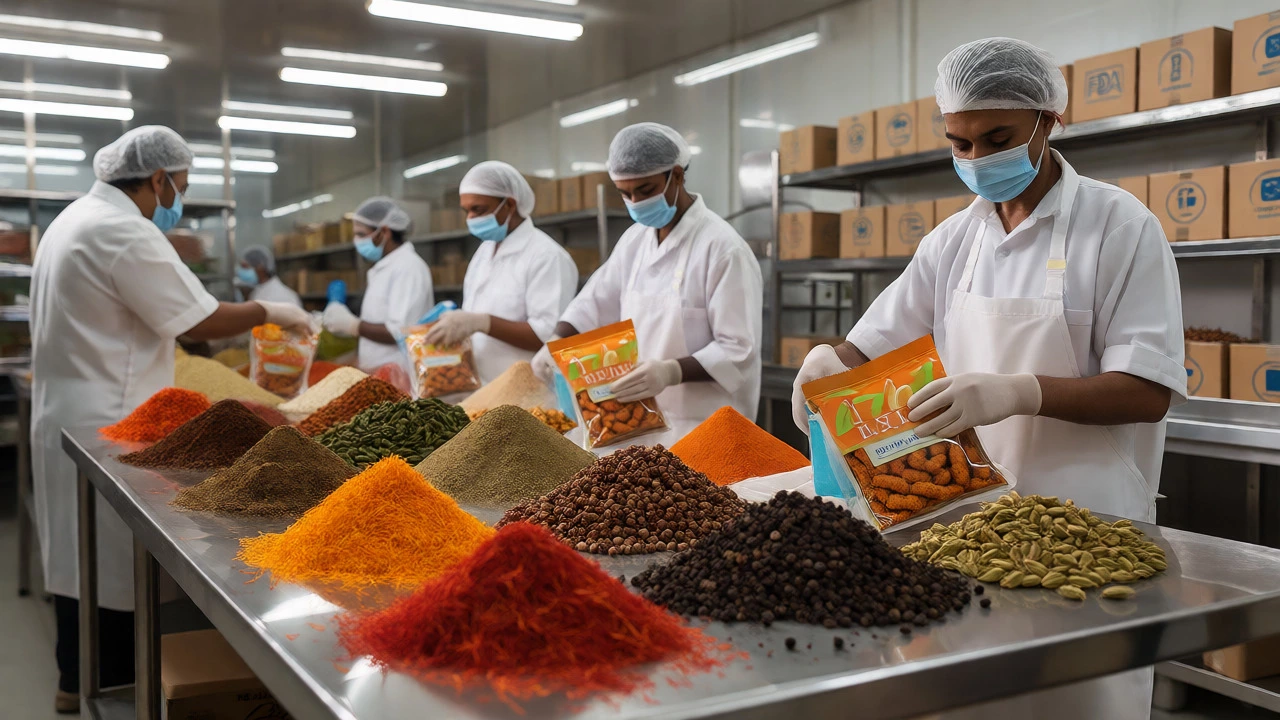
Forget the stereotype of selling raw turmeric powder in bulk bags. The real money today is in value-added food products. The global market for processed foods is exploding, and India has a massive advantage here due to our agricultural diversity and lower labor costs for processing.
Organic Spices are seeing a surge in demand, particularly from Europe and North America. Buyers are willing to pay a premium for certified organic cardamom, black pepper, and saffron. Why? Because health-conscious consumers in these regions are avoiding synthetic pesticides. If you can secure proper certification (like USDA Organic or EU Organic), your profit margins jump significantly compared to conventional exports.
Beyond spices, Ready-to-Eat (RTE) Foods and ethnic snacks are trending. Think vacuum-packed idli batter, frozen parathas, or gluten-free millet chips. The diaspora population in the UK, Canada, and Australia is huge, but mainstream consumers are also trying Indian flavors through apps like Uber Eats and local grocery stores. The key here is packaging. Shelf-stable, visually appealing packaging that meets FDA or EU labeling standards is non-negotiable.
| Product Category | Key Markets | Critical Requirement | Growth Trend |
|---|---|---|---|
| Organic Spices | Germany, USA, France | Certified Organic, Traceability | High (+15% YoY) |
| Millet Snacks | UK, Australia, UAE | Gluten-Free Certification | Rising Rapidly |
| Frozen Vegetables | Japan, South Korea | HACCP Compliance, Cold Chain | Steady Growth |
| Basmati Rice | Middle East, Africa | GI Tag Verification | Consistent Volume |
Pharmaceuticals and Generic Medicines
India is often called the "pharmacy of the world," and for good reason. But it’s not just about mass-producing cheap antibiotics anymore. The demand has shifted toward specialized generics and Active Pharmaceutical Ingredients (APIs). As healthcare costs rise in the US and Europe, insurers are aggressively pushing for generic alternatives. This creates a steady, recession-proof demand stream.
Generic Drugs remain the backbone of this sector. However, the real opportunity for smaller exporters lies in niche segments like dermatology drugs, anti-diabetics, and cardiovascular medications. These require strict adherence to Good Manufacturing Practices (GMP). If your manufacturing unit has USFDA or WHO-GMP approval, you can bypass many traditional barriers to entry.
Don’t ignore APIs either. Many international pharma companies source intermediate chemicals from India because Chinese environmental regulations have tightened production there. This regulatory shift has redirected billions of dollars in API orders to Indian manufacturers. If you’re in trading, connecting with mid-sized chemical plants in Gujarat or Hyderabad can yield lucrative contracts.
Textiles and Apparel: Beyond Cotton
Yes, textiles are still big. But if you think exporting plain cotton t-shirts is a safe bet, you’re missing the point. Fast fashion is slowing down slightly as sustainability becomes a purchasing driver. The demand is now for eco-friendly fabrics and artisanal craftsmanship.
Handloom Fabrics like Khadi, Banarasi silk, and Pashmina wool are commanding higher prices in luxury markets. European boutiques and Japanese department stores are actively seeking unique, hand-woven materials that machines can’t replicate. The story behind the fabric-supporting rural weavers-is part of the product value.
Additionally, technical textiles are growing. These include medical-grade gauze, geotextiles for construction, and protective clothing for industrial use. Unlike consumer fashion, B2B textile contracts offer longer-term stability. You won’t be chasing seasonal trends every six months; you’ll be fulfilling annual contracts for hospital supplies or construction materials.
Engineering Goods and Auto Components
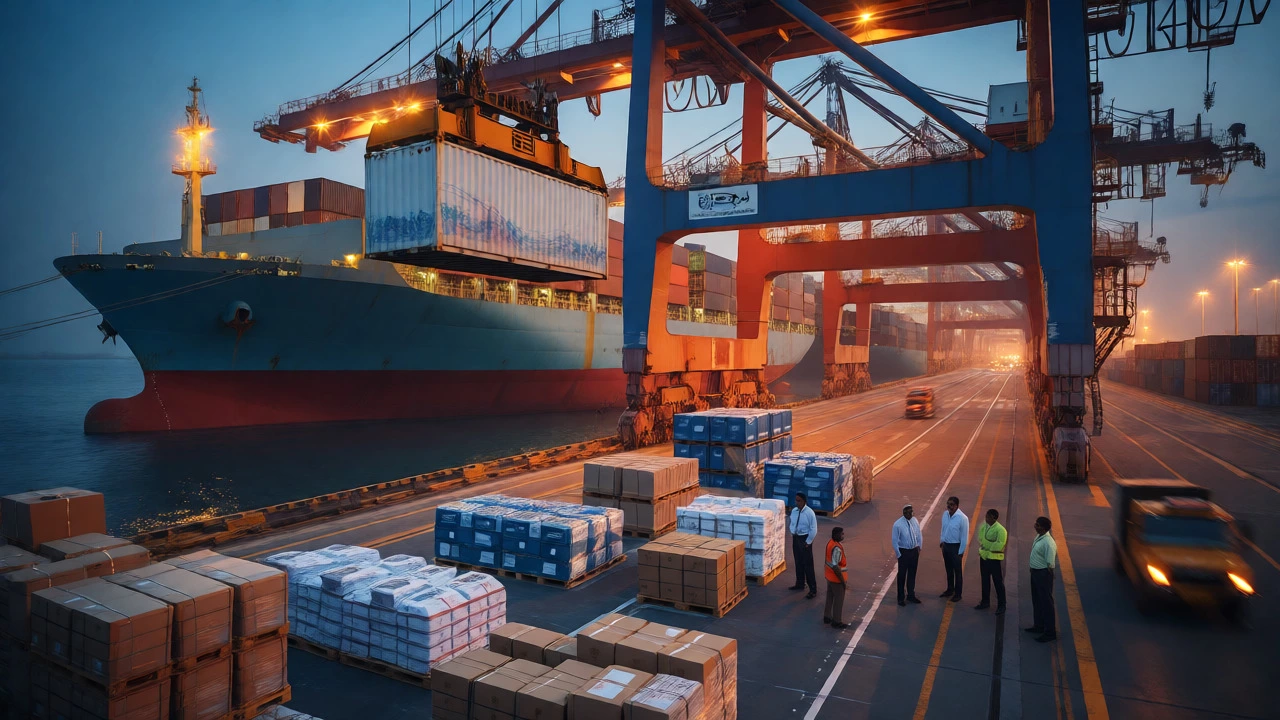
This might surprise you, but engineering goods have overtaken petroleum products as India’s largest export category by volume in recent years. Why? Precision. Indian manufacturers have invested heavily in CNC machining and automation. We produce auto components that meet German and Japanese tolerances at a fraction of the cost.
Automotive Parts such as gears, bearings, and transmission components are in high demand from OEMs (Original Equipment Manufacturers) in Detroit, Stuttgart, and Tokyo. Even electric vehicle (EV) startups are sourcing battery casing components and wiring harnesses from India. The key requirement here is consistency. One defective batch can ruin a contract, so robust Quality Control (QC) processes are essential.
Castings and forgings are another sub-sector doing well. Foundries in Tamil Nadu and West Bengal supply iron and steel castings to heavy machinery industries worldwide. If you have access to reliable foundries, this is a high-volume, low-markup game where logistics efficiency determines your profit.
Jewelry and Gemstones
India cuts and polishes roughly 90% of the world’s diamonds. That’s not an exaggeration. While the rough stones come from Africa and Russia, the magic happens in Surat. Consequently, finished diamond jewelry is a top export item, especially to the US, which remains the single largest buyer of Indian diamonds.
But it’s not just diamonds. Gold jewelry designs are gaining traction in the Middle East and Southeast Asia. Modern consumers want lightweight gold pieces with intricate designs, moving away from the heavy, traditional bullion-style jewelry. Laser-cutting technology allows Indian artisans to create complex patterns that appeal to younger demographics abroad.
Colored gemstones are also rising. Sapphires, emeralds, and rubies sourced from Madagascar or Sri Lanka are often cut in Jaipur before being sold to Western retailers. If you specialize in colored stones, building relationships with independent jewelers in London or New York can yield better margins than selling through large auction houses.

IT Services and Digital Exports
Wait, isn’t IT a service, not a physical export? Technically, yes, but it falls under "services exports," which count towards India’s total trade balance. For entrepreneurs, this means digital products are easier to start with. No customs clearance, no shipping delays, no damaged goods.
SaaS Products developed in Bangalore or Pune are finding homes in Silicon Valley and Singapore. Niche software solutions for logistics, healthcare records, or fintech are highly sought after. Unlike physical goods, you can scale globally overnight once you nail the product-market fit.
Digital content is another area. Animation studios in Hyderabad produce work for Hollywood and anime studios in Japan. If you run a creative agency, outsourcing animation or VFX work to Indian talent while selling to US clients is a proven model. The time zone difference actually helps here-you get work done while you sleep.
How to Validate Your Product Choice
Before you rent a warehouse, test the water. Don’t guess; verify. Here’s a quick checklist to ensure your chosen product is actually in demand:
- Analyze Competitor Pricing: Check Amazon US, eBay UK, or Alibaba International. Are similar Indian products selling? At what price?
- Check Trade Data: Use the Directorate General of Commercial Intelligence and Statistics (DGCI&S) website to see historical export volumes for your HS Code.
- Request Samples: Send samples to potential buyers. Ask for feedback on packaging and quality before committing to bulk production.
- Verify Certifications: Does your target market require CE marking, FDA approval, or Halal certification? Missing one certificate can halt shipments at customs.
Remember, the most profitable exports aren’t always the most popular ones. Sometimes, a niche product with less competition yields better returns than fighting for scraps in the saturated rice market. Focus on where your supply chain strength intersects with foreign buyer needs.
Which country buys the most from India?
The United States is currently India's largest export destination, accounting for a significant share of total exports, followed closely by the United Arab Emirates (UAE) and the Netherlands. The US primarily imports pharmaceuticals, IT services, and textiles, while the UAE serves as a major hub for re-exporting gems, jewelry, and electronics.
Is it easy to export food products from India?
It requires strict compliance rather than ease. You must obtain FSSAI registration, APEDA certification for agri-products, and ensure your product meets the importing country's specific safety standards (like FDA in the US or EFSA in Europe). Proper packaging and labeling are critical to avoid rejection at customs.
What are the highest margin export items from India?
Value-added products typically offer higher margins than raw commodities. Handcrafted jewelry, organic superfoods (like moringa or quinoa), specialized pharmaceutical formulations, and bespoke leather goods tend to have better profit margins because they command premium pricing based on quality and branding rather than commodity weight.
Do I need a special license to start exporting?
You need an Importer-Exporter Code (IEC) issued by the DGFT (Directorate General of Foreign Trade) to engage in any export activity. Depending on the product, you may also need specific licenses, such as those for hazardous chemicals, wildlife products, or certain agricultural items.
How does the 'China Plus One' strategy affect Indian exports?
This strategy encourages multinational companies to diversify their supply chains outside of China. India benefits directly from this in sectors like electronics manufacturing, pharmaceuticals, and textiles, as global brands seek alternative suppliers to mitigate geopolitical and logistical risks associated with relying solely on China.
