India Welfare Programs: How They Help Startups and Small Businesses
When you hear India welfare programs, government-backed initiatives designed to support citizens through financial aid, training, and infrastructure. Also known as social safety nets, they're often thought of as handouts for the poor—but that’s not the full story. In 2025, these programs are quietly powering India’s startup boom. From UPI payments to digital literacy drives, they’re giving small businesses and first-time founders the tools to launch without waiting for VC money.
Take Digital India, a national mission to connect rural India with internet access, digital identity, and e-governance services. It didn’t just give people smartphones—it gave them a way to sell. A farmer in Andhra Pradesh can now use a WhatsApp group and UPI to sell mangoes to a city customer, thanks to free digital training and low-cost data plans under this program. Same goes for a freelance designer in Visakhapatnam who landed her first client through a government-backed digital marketplace. This isn’t luck—it’s infrastructure.
GST registration thresholds, the income limits that determine whether a business must pay GST are another hidden welfare tool. If your annual turnover is under ₹40 lakh, you don’t need to register. That’s a direct financial relief for home-based businesses selling handmade goods, tutoring, or repair services. And it’s not just about taxes—programs like MUDRA Loans, zero-collateral loans up to ₹10 lakh for micro-enterprises let a single mom in Kurnool open a small tiffin service without a bank guarantee. No fancy pitch deck. No investors. Just a loan, a stove, and a WhatsApp number.
These programs aren’t perfect. Some are slow. Some have paperwork. But the ones that stick? They’re the ones that cut red tape and put power in the hands of the people who need it most. Physics Wallah didn’t become a ₹30,000 crore company because of Silicon Valley—it was because of free internet access, low-cost smartphones, and government-backed digital education pushes. The same tools are now helping a tailor in Tirupati start an Instagram store. A mechanic in Nellore use Google Maps to get customers. A college dropout in Kadapa build an AI-powered farming advice chatbot.
What you’ll find below isn’t a list of handouts. It’s a map of the real levers pulling India’s business growth—grants, digital access, tax rules, and policy wins that regular people are using to build businesses from nothing. These aren’t theoretical policies. They’re daily tools. And if you’re starting something in India in 2025, you’re already using them—even if you don’t realize it yet.
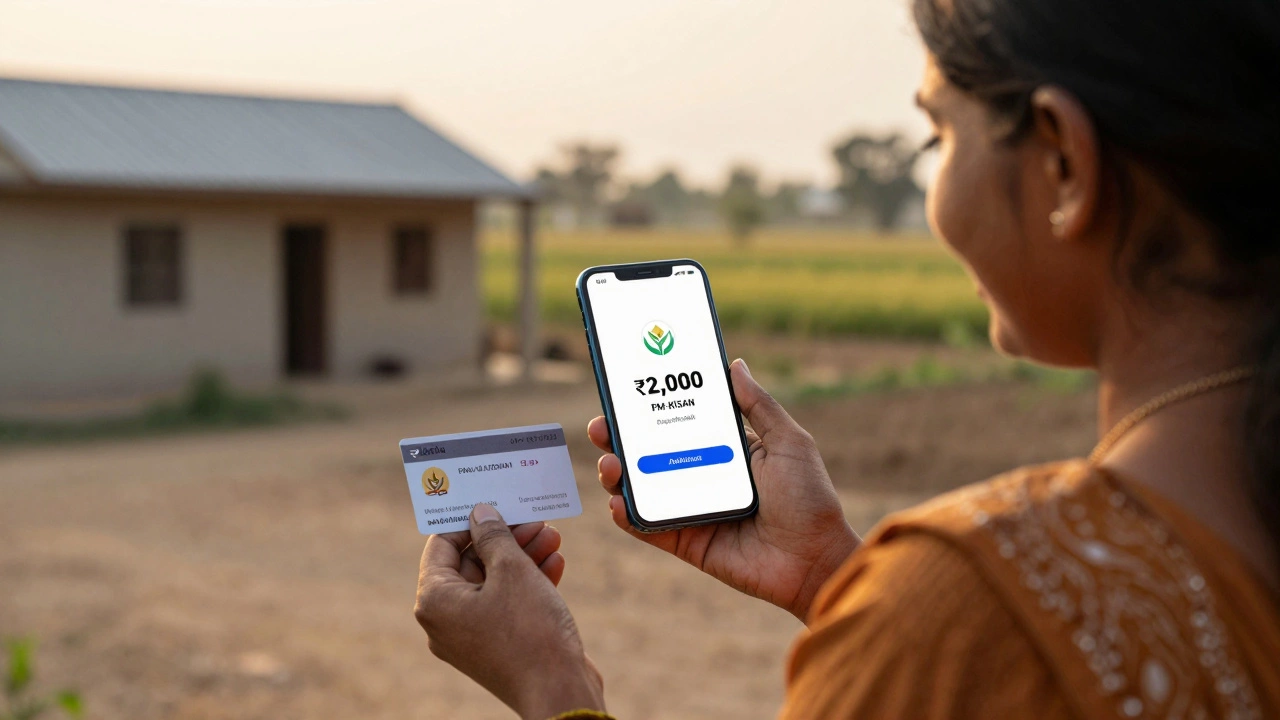
India's central government leads in scale and digital delivery of welfare schemes like PM-KISAN, Ujjwala, and PM-AWAS, transforming lives across rural and marginalized communities through direct cash transfers and digital access.