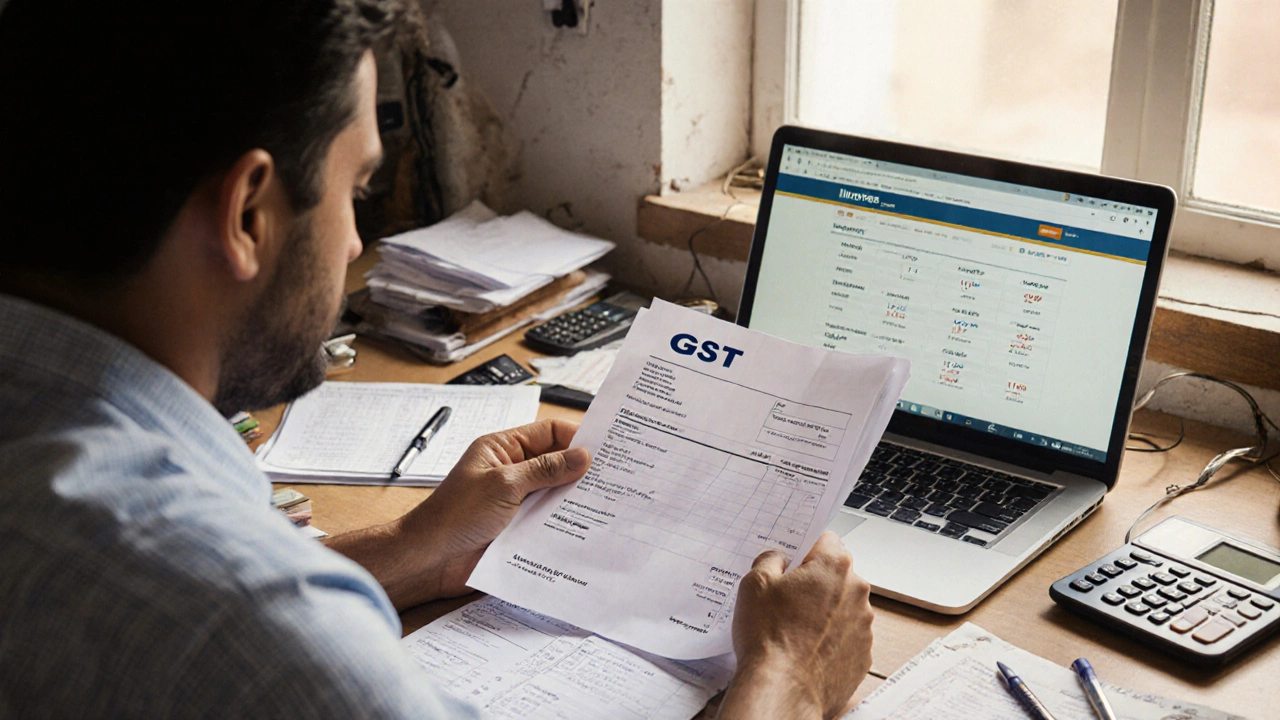
GST Rate India: What You Need to Know About Tax Brackets and Compliance
When you buy anything in India—from a cup of coffee to a new phone—you’re paying GST, a consumption tax applied at every stage of the supply chain, replacing multiple older taxes like VAT and excise duty. Also known as Goods and Services Tax, it’s the backbone of India’s modern tax system, and getting it wrong can cost you penalties, interest, or even your business license. The GST rate India applies isn’t one-size-fits-all. It’s split into four main slabs: 5%, 12%, 18%, and 28%, with a few essential items taxed at 0% and luxury goods hit with an additional cess on top. If you’re running a small business, selling online, or even freelancing, knowing which slab applies to your product or service isn’t optional—it’s mandatory.
GST registration, the official process of enrolling your business with the tax authority, is required if your annual turnover crosses ₹40 lakh (₹20 lakh for special category states). But here’s the catch: even if you’re below that, you might still need to register if you sell across state lines, operate through e-commerce platforms like Amazon or Flipkart, or export goods. Many small sellers think they’re safe because they’re not making much, but the rules don’t care about your income—they care about your activity. And if you’re selling digital services, offering consulting, or even doing gig work through apps, you’re likely already in scope.GST payment India, the act of actually remitting the tax collected to the government, happens monthly or quarterly depending on your business size. Late payments mean interest, and missed filings can trigger audits or block your ability to issue tax invoices. The system is digital, so you need a GSTN portal account, a valid digital signature, and a way to reconcile your sales with your customers’ claims. It’s not complicated, but it’s easy to mess up if you’re doing it manually. And don’t forget GST compliance, the ongoing process of filing returns, matching invoices, and keeping records. It’s not just about paying tax—it’s about proving you paid it correctly. For small businesses, that means tracking every invoice, keeping digital records, and matching your GSTR-1 with your buyers’ GSTR-2A. One mismatch, and your customer can’t claim their input tax credit. That’s a good way to lose clients.
What you’ll find below are real, practical guides from Indian entrepreneurs who’ve navigated this system—whether they’re paying GST on handmade crafts, running a home-based food business, or exporting goods. You’ll learn how to calculate your exact rate, when you can skip registration, how to fix past mistakes, and what happens if you ignore it. No theory. No fluff. Just what works today in India’s tax landscape.
Learn how to calculate GST in India step by step, including correct tax rates, invoice rules, input tax credit, and common mistakes to avoid. Essential for small businesses and freelancers.