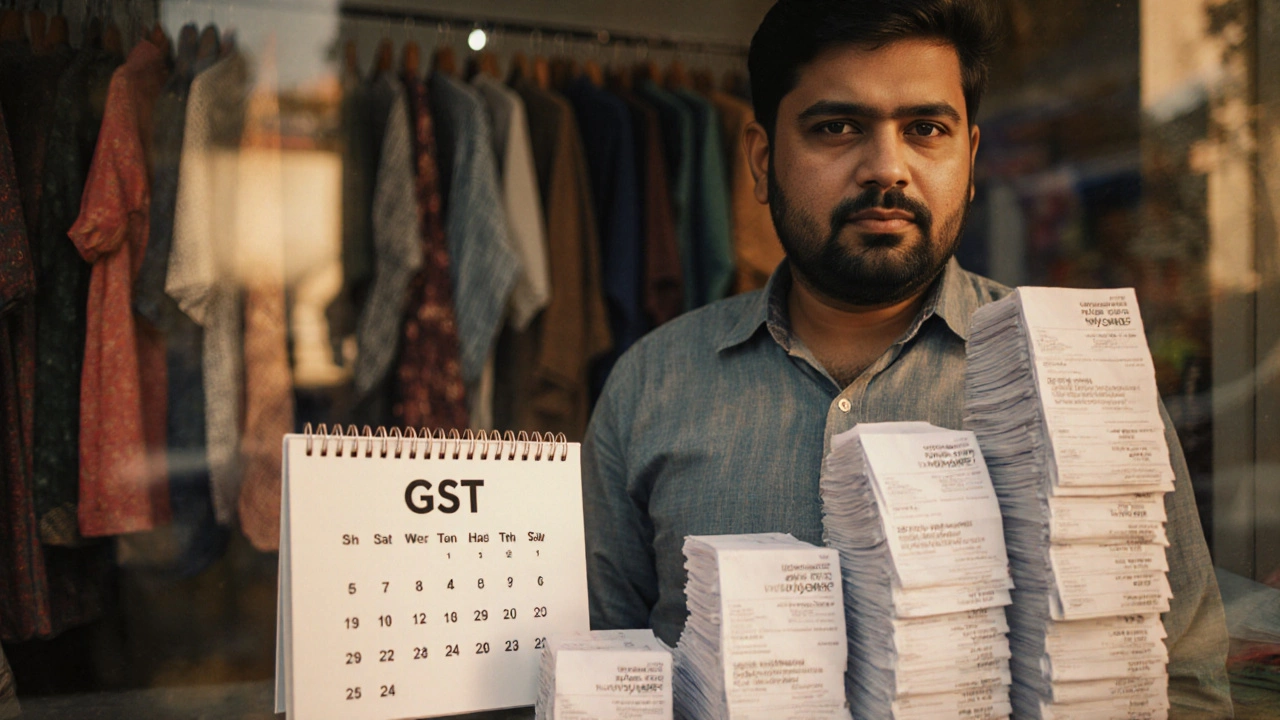
When you run a small business in India, GST, a consumption tax applied to goods and services at every stage of supply. Also known as Goods and Services Tax, it’s not optional—it’s the backbone of how your business reports sales, pays taxes, and stays legal. If you’re making over ₹20 lakh a year (or ₹10 lakh in special category states), you must register. But even if you’re below that, many small sellers choose to register anyway—because it lets them claim input tax credit, appear more professional to clients, and sell on platforms like Amazon and Flipkart.
Getting GST right means understanding three things: GST payment India, the process of submitting tax dues through the GST portal, GST filing, the monthly or quarterly return you must submit with your sales and purchase data, and GST portal, the official government platform where all tax actions happen. Skip one step, and you risk late fees, interest, or even being blocked from filing future returns. Many small business owners think GST is only about charging 18% and sending money to the government. It’s not. It’s about tracking every invoice, matching your purchases with your supplier’s filings, and keeping records that match what’s on the portal. A single mismatch can trigger a notice.
There’s no magic trick—just discipline. Use free tools like Excel or low-cost apps to track invoices. Don’t wait until the last day to file. If you sell handmade goods, run a small food cart, or offer services like tutoring or design from home, you’re still part of the GST system. The government isn’t trying to punish you—they’re trying to bring everyone into the formal economy. And if you’re registered, you’re not just paying tax—you’re building credibility. Buyers trust businesses with GST numbers. Banks look at your GST returns when you apply for a loan. Platforms prioritize sellers who are compliant.
What you’ll find below are real guides from small business owners who’ve been there: how to pay GST online without getting lost in the portal, what to do when your supplier didn’t file their return, how to handle refunds, and why some businesses save thousands by choosing the composition scheme. These aren’t theory pieces. They’re step-by-step fixes for problems you’re facing right now. Whether you’re just starting out or you’ve been filing for years and still feel confused, the articles here cut through the noise. No jargon. No fluff. Just what works for real small businesses in India today.
Is GST registration mandatory in India? It depends on your turnover, location, and type of business. Learn the thresholds, exceptions, penalties, and when to register-even if you're a small seller or freelancer.