Government Schemes India: What’s Really Helping Startups and Small Businesses
When we talk about Government Schemes India, public programs designed by central and state authorities to deliver financial aid, infrastructure, and digital access to citizens and businesses. Also known as welfare initiatives, these programs aren’t just handouts—they’re the hidden engines behind India’s startup boom. Think of them as the invisible scaffolding that lets businesses like Physics Wallah scale from a small tutoring shop to a $4 billion edtech giant. How? Because they built on top of Digital India, a national push to connect every village with internet, digital IDs, and online services. Without that foundation, none of today’s digital-first startups could have reached millions of customers in rural towns.
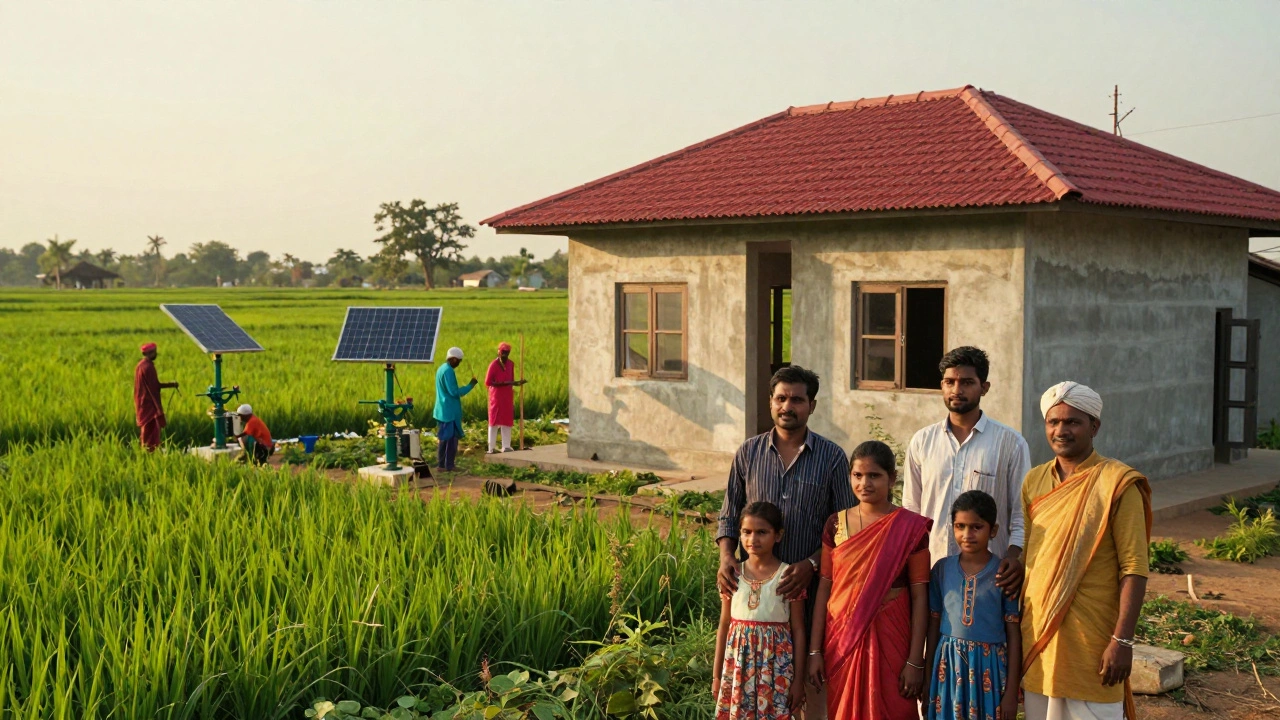
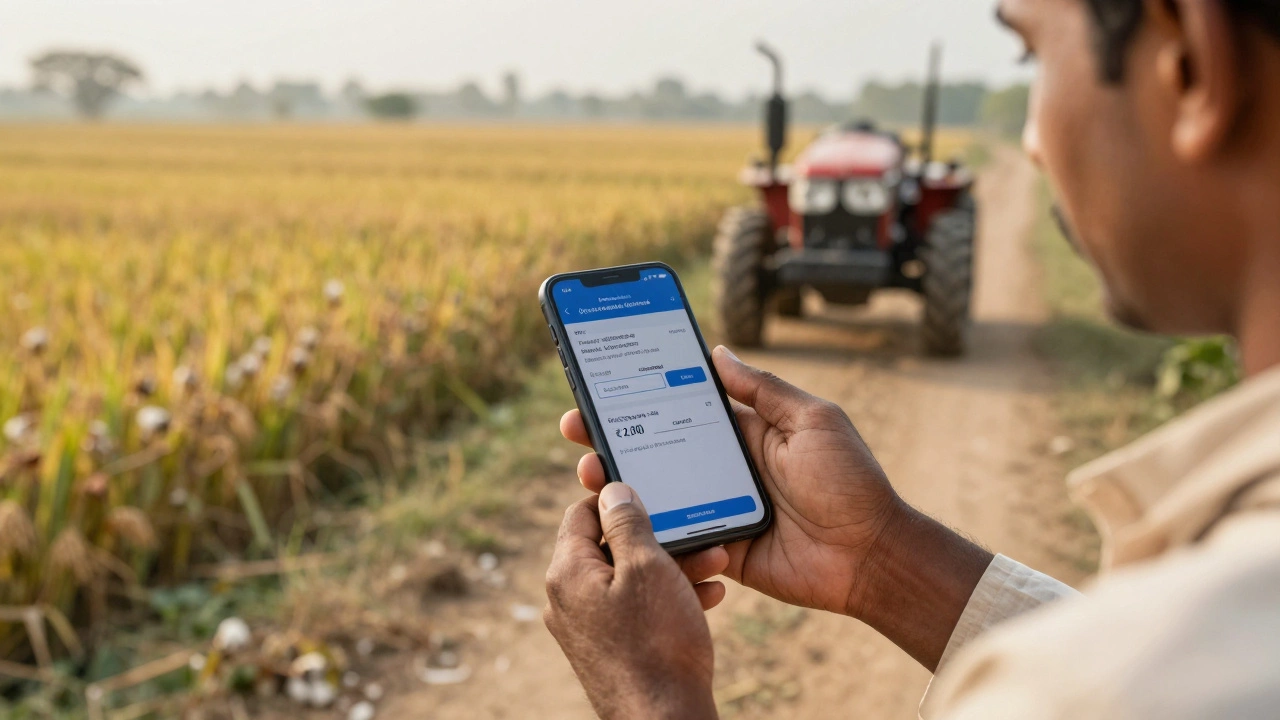
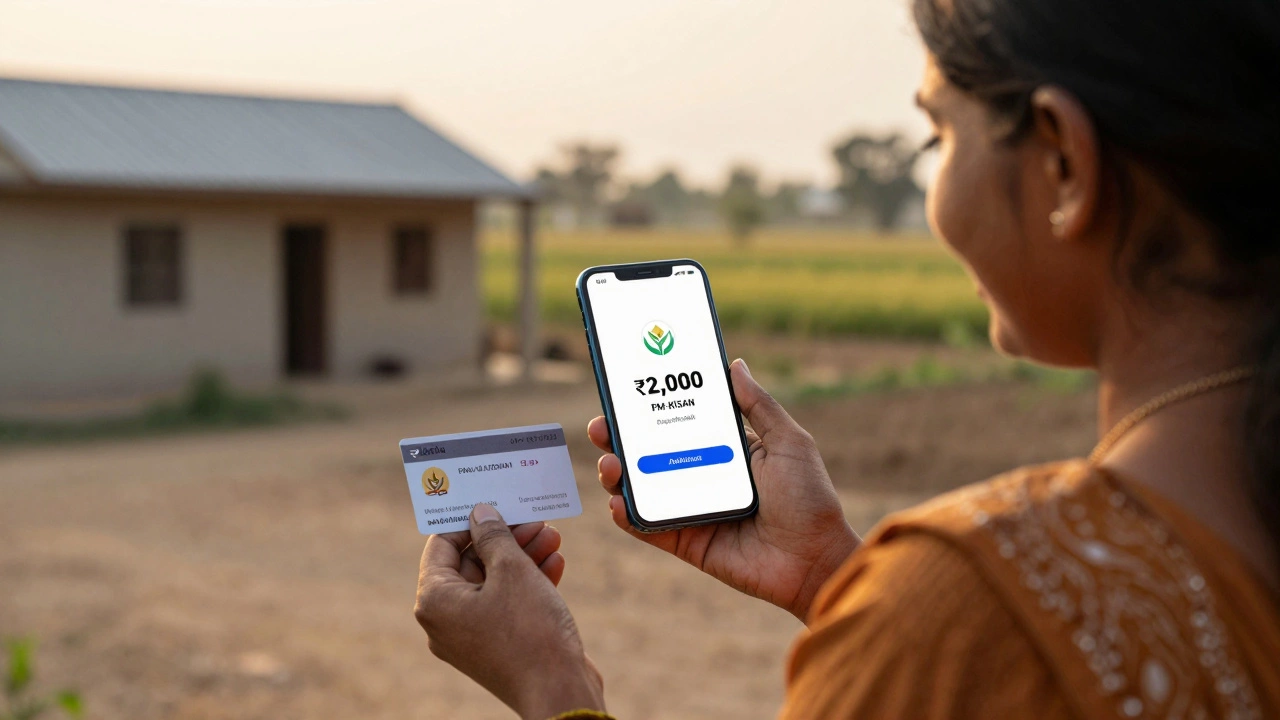
It’s not just about tech. The central government schemes, nationwide programs like PM-KISAN, Ujjwala, and PM-AWAS that deliver direct cash, LPG connections, and housing to low-income families. These aren’t just social safety nets—they’re market creators. When a farmer in Andhra Pradesh gets ₹6,000 a year directly into his bank account, he doesn’t just pay for seeds—he buys a smartphone, pays for internet, maybe even hires a local kid to help him sell online. That’s how government schemes India turn poverty into purchasing power. And startups? They’re the ones building apps to help those farmers track prices, get loans, or sell their crops. State governments like Andhra Pradesh are stepping up too, with local schemes for women entrepreneurs, startup incubators, and tax breaks for tech hubs in Vijayawada and Tirupati. But the real game-changer? The way these programs talk to each other. A farmer on PM-KISAN gets a UPI ID. That UPI ID connects to a digital marketplace. That marketplace is built by a startup that got a grant under a state innovation fund. It’s a chain reaction—and it’s happening right now.
What you’ll find here aren’t dry policy papers or government press releases. These are real stories—like how Physics Wallah used free internet access in small towns to reach 10 million students without spending a rupee on ads. Or how a woman in Kurnool started a snack business after getting a microloan through a state scheme, then used a government-backed digital payment tool to scale. This isn’t theory. It’s the day-to-day reality for thousands of entrepreneurs across India. Below, you’ll see exactly which schemes are making the biggest difference, who’s benefiting most, and how you can use them—even if you’re just starting out.
Discover why government schemes are vital for India's growth. From bridging economic gaps to empowering women and boosting digital access, these programs drive social welfare and development.
Discover who is ruling India in 2026, led by PM Narendra Modi. Explore key government schemes, economic impacts on businesses, and how to navigate the current political landscape for personal and professional growth.
Discover which Indian states lead in governance in 2026. We analyze NITI Aayog data to compare Kerala, Tamil Nadu, and Gujarat on health, economy, and digital services.
Learn how small IT firms and startups in India can win government IT projects through proper registration, compliant bidding, and targeting the right schemes like GeM and Udyam. No connections needed-just process.
A clear breakdown of the types of government funds in India in 2026, including central and state grants, loans, CSR funding, and multilateral support. Learn how to find and apply for the right scheme.
India's central government leads in scale and digital delivery of welfare schemes like PM-KISAN, Ujjwala, and PM-AWAS, transforming lives across rural and marginalized communities through direct cash transfers and digital access.
Physics Wallah became a $4 billion edtech unicorn not through VC funding alone, but by leveraging India’s digital infrastructure and government schemes like Digital India. Here’s how public policy helped it reach millions.