Franchise Investment Calculator
Estimate your total capital requirement based on sector, scale, and working capital reserves.
Investment Breakdown
₹0
₹0
₹0
Key Risk Factor:
Starting a business from scratch is risky. You deal with branding, supply chains, and customer trust all at once. Buying a franchise solves half that problem. You get a proven model. But here is the catch: not every franchise works in every part of India. The market is huge, diverse, and changes fast. What sells in Mumbai might fail in a tier-3 town in Bihar.
If you are looking for the best franchise type to invest in right now, you need to look beyond just brand names. You need to understand which sectors are growing, where the margins are healthy, and what fits your budget. In 2026, the Indian franchise landscape is shifting towards quick commerce, affordable education, and specialized healthcare services.
The Reality of Franchising in India Today
Before picking a sector, let's look at the ground reality. The franchise industry in India has grown steadily over the last decade. According to recent reports from the Indian Franchise Association, the sector contributes significantly to GDP and employment. However, failure rates still exist. Why? Because many entrepreneurs pick franchises based on flashy marketing rather than unit economics.
You need to ask yourself three questions before signing anything:
- Does this business model fit my local demographics?
- Can I afford the working capital for the first six months?
- Is the brand providing genuine support or just taking royalties?
The "best" franchise isn't a one-size-fits-all answer. It depends on your risk appetite and investment capacity. Let's break down the top-performing categories right now.
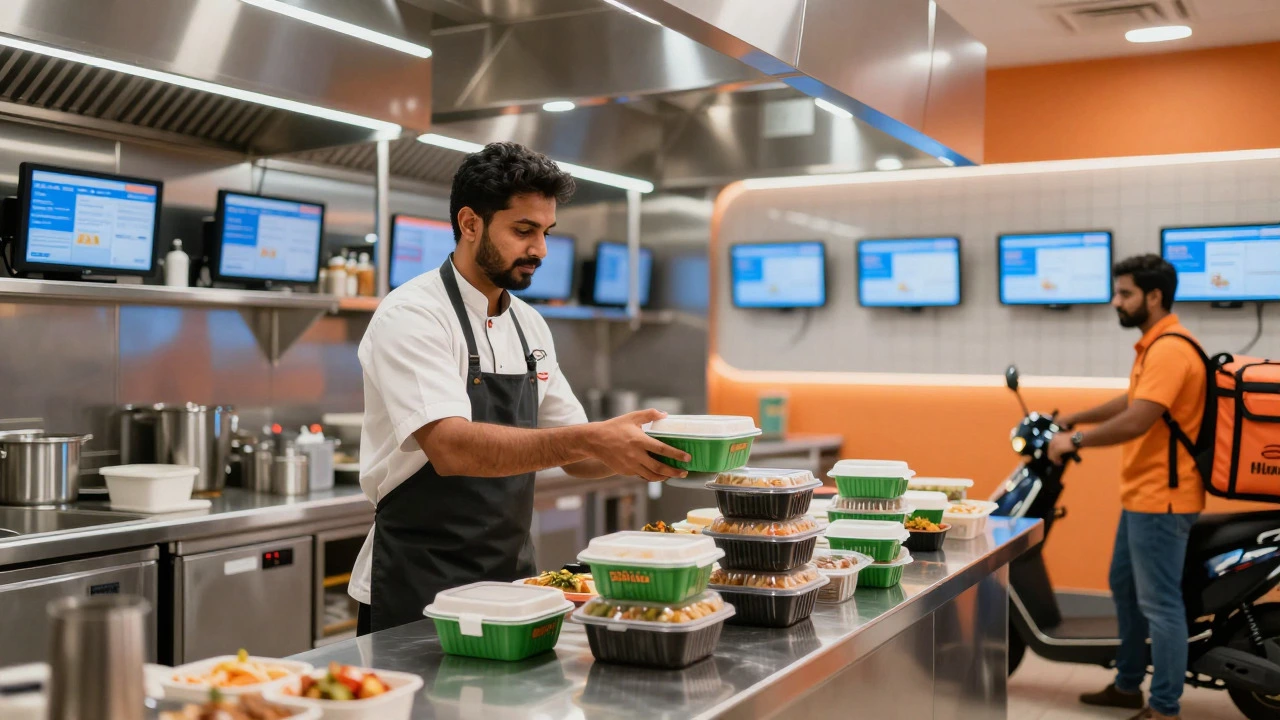
1. Quick Service Restaurants (QSR) and Cloud Kitchens
Food is always in demand. But the traditional dine-in restaurant model is heavy on rent and staff. The smart money in 2026 is moving towards Cloud Kitchens and small-footprint QSRs. Think about brands like Domino's Pizza or Haldiram's. They dominate because they have mastered logistics and standardization.
Why is this sector hot? Urban Indians are ordering more food online. Platforms like Swiggy and Zomato drive traffic. If you open a cloud kitchen franchise, your overheads are lower. You don't need a fancy dining area. You need a clean kitchen and good packaging. The initial investment can range from ₹15 lakhs to ₹50 lakhs depending on the brand. Margins are tight, but volume makes up for it.
Pro Tip: Don't just pick a popular burger chain. Look for regional food brands that are expanding nationally. There is less competition and often better royalty terms for new partners.
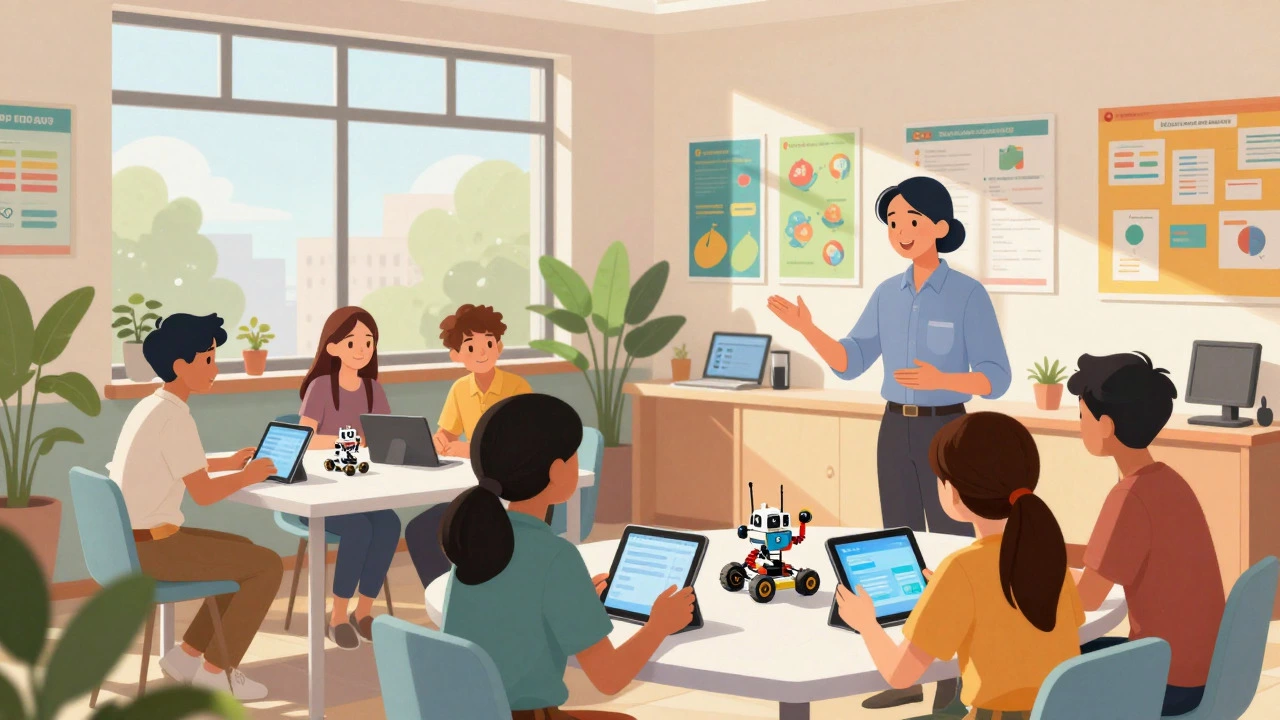
2. Education and Skill Development Centers
Education is the backbone of the Indian middle class. Parents will spend almost anything on their children's future. This makes education franchises incredibly resilient during economic downturns. We aren't just talking about coaching centers for JEE or NEET anymore. The trend is shifting towards Skill Development and early childhood education.
Brands like Amrita Vishwa Vidyapeetham (for school chains) or various coding academies offer strong models. The key here is location. You need high footfall from families. Tier-2 cities like Jaipur, Indore, and Coimbatore are seeing massive growth in premium education franchises. The investment usually starts around ₹20 lakhs for a basic center and can go up to ₹1 crore for full-fledged schools.
The benefit? Recurring revenue. Once parents enroll their kids, they stay for years. Churn is low if the quality is consistent.
3. Healthcare and Wellness Services
As India ages and awareness grows, healthcare is booming. This isn't just about big hospitals. It's about diagnostic labs, dental clinics, and physiotherapy centers. Brands like Dr. Lal PathLabs or Apollo Clinics have robust franchise models.
Why consider this? Trust is everything in health. A known brand name gives you immediate credibility. Patients prefer going to a branded lab over an unknown one because they trust the report accuracy. The initial setup cost is higher due to equipment, ranging from ₹30 lakhs to ₹1.5 crores. However, the lifetime value of a customer is high. Plus, there are government incentives for setting up medical infrastructure in underserved areas.
Note: You don't need to be a doctor to own these franchises. Most brands provide trained technicians and doctors on contract. Your role is operations and customer service.
4. Retail and Convenience Stores
Retail is evolving. The old neighborhood kirana store is getting a tech upgrade. Modern retail franchises like Reliance Smart Bazaar or D-Mart (through partnerships) are changing the game. Also, look at specialty retail-eyewear, footwear, or home decor.
Convenience stores are winning because people want speed. They want milk, bread, and medicines delivered in 10 minutes. If you join a quick-commerce enabled retail franchise, you become a micro-hub for delivery apps. This dual revenue stream (walk-in + online orders) stabilizes your income. Investment levels vary widely, from ₹10 lakhs for small kiosks to ₹50 lakhs for larger stores.
5. Financial Services and Insurance
This is the lowest barrier to entry. If you have limited capital, look at insurance brokerages or banking correspondents. Companies like LIC, HDFC Life, or various NBFCs offer franchise-like agency models.
You don't need a shop. You need a network. If you are good at sales and building relationships, this can be highly profitable. The initial investment can be as low as ₹50,000 to ₹2 lakhs for registration and training. The real cost is time. Commissions build up slowly, but once you have a portfolio of clients, the passive income is significant.
| Sector | Initial Investment (Approx.) | ROI Timeline | Key Risk | Best For |
|---|---|---|---|---|
| Food & Beverage | ₹15L - ₹50L | 12-18 Months | High Competition | Entrepreneurs with ops experience |
| Education | ₹20L - ₹1Cr+ | 18-24 Months | Regulatory Changes | Long-term investors |
| Healthcare | ₹30L - ₹1.5Cr | 24-36 Months | High CapEx | High-net-worth individuals |
| Retail | ₹10L - ₹50L | 12-24 Months | Inventory Management | Local market experts |
| Financial Services | ₹0.5L - ₹2L | 6-12 Months | Low Initial Sales | Sales professionals |
How to Choose the Right Brand
Picking the sector is step one. Picking the partner is step two. Many big brands have poor franchise support. Here is how to vet them:
- Talk to Existing Franchisees: Don't listen to the corporate sales team. Call three current owners. Ask them about hidden costs, support delays, and actual profit margins. If they hesitate, walk away.
- Check the Disclosure Document: Under the Franchise Trade Practices Act principles (though India doesn't have a specific federal law yet, courts follow general contract laws), brands should disclose litigation history and financial performance representations. Read the fine print on renewal fees and territory exclusivity.
- Assess Training Quality: A good brand trains you for weeks, not days. They should cover marketing, HR, and operations. If they just hand you a manual, they don't care about your success.

Avoiding Common Pitfalls
I've seen too many businesses fail because of avoidable mistakes. Here are the biggest ones:
- Underestimating Working Capital: You might have the money for the franchise fee and setup. Do you have cash to pay staff for three months while customers trickle in? Always keep 30% of your total budget as liquid reserve.
- Ignoring Local Preferences: A nationwide brand might force a menu or product line that doesn't suit your city. Negotiate flexibility. Can you add local items? Can you adjust pricing slightly?
- Overpaying for Marketing: Some brands charge high monthly marketing fees but deliver nothing. Ensure you see proof of national ad campaigns or digital lead generation before paying.
Future Trends to Watch in 2026 and Beyond
The Indian market is digitizing rapidly. Franchises that integrate technology will win. Look for brands that offer:
- AI-driven inventory management.
- Direct-to-consumer app integration.
- Data analytics for customer behavior.
Also, sustainability is no longer optional. Consumers prefer eco-friendly packaging and ethical sourcing. Franchises that highlight green practices will attract younger demographics.
Another emerging area is Senior Care Services. With a growing elderly population, assisted living and home-care franchises are opening up. This is a blue-ocean market with very few organized players.
Final Thoughts on Making the Leap
There is no single "best" franchise. The best one is the one that aligns with your skills, budget, and local market needs. If you love food and can handle high pressure, go for QSR. If you are patient and community-focused, try education or healthcare. If you are a salesperson, start with financial services.
Do your homework. Visit the sites. Talk to the people. The franchise model reduces risk, but it doesn't eliminate it. Your active involvement is the biggest factor in success. Start small if you must, but start with a brand that treats you as a partner, not just a revenue source.
What is the minimum investment required for a franchise in India?
The minimum investment varies wildly by sector. Service-based franchises like insurance or cleaning services can start under ₹2 lakhs. Food and retail franchises typically require between ₹15 lakhs and ₹50 lakhs. Premium education or healthcare franchises can exceed ₹1 crore. Always factor in working capital, not just the setup cost.
Which franchise sector has the highest ROI in India?
While ROI depends on execution, the Food & Beverage sector often shows faster returns (12-18 months) due to high daily cash flow. However, Education and Healthcare franchises tend to have higher long-term stability and lower churn, leading to better cumulative profits over 5-10 years.
Are there any government subsidies for starting a franchise in India?
Yes, indirectly. Schemes like MUDRA Loans provide funding for small businesses, including franchises. Additionally, states often offer subsidies for setting up industries or services in rural or semi-urban areas. Check with your state's industrial development board for specific grants related to your chosen sector.
Can I run a franchise as a side business?
It depends on the model. Low-touch franchises like vending machines, ATMs, or certain financial service agencies can be managed part-time. However, operational franchises like restaurants, schools, or clinics require hands-on management. Trying to run a high-operation franchise as a side hustle often leads to failure due to lack of oversight.
What legal documents do I need to check before signing a franchise agreement?
You must review the Franchise Agreement carefully. Key clauses include: Term duration, Renewal conditions, Territory rights (exclusive vs. non-exclusive), Royalty structure, Termination clauses, and Post-termination restrictions (non-compete). Always hire a lawyer specializing in commercial contracts to explain these terms.
