
Ecommerce Platform Matcher for India
Tight (Under ₹1,000)
Bootstraping / Side hustleModerate (₹1,000 - ₹5,000)
Serious small businessHigh (₹5,000+)
Scaling brand / EnterpriseZero Coding
I want it done instantlyBasic Knowledge
Can manage WordPress/SettingsDeveloper/Hire Dev
Want full customizationPhysical Products
Clothing, Gadgets, JewelryDigital/Services
Courses, E-books, ConsultationsWhatsApp/Social
Direct messaging salesRecommended Platform: -
Est. Monthly Cost
-
Setup Difficulty
-
Best Feature
-
How it compares to others:
Starting an online business in India feels like standing at a busy intersection with too many signs and not enough traffic lights. You have the product, you have the hustle, but which platform do you actually use to sell? The answer isn't as simple as picking the most famous name. It depends on your budget, your technical skills, and how much control you want over your store.
In 2026, the Indian ecommerce landscape has matured significantly. We are no longer just talking about basic websites; we are talking about integrated ecosystems that handle payments, logistics, and customer trust. Whether you are selling handmade jewelry from Jaipur or tech gadgets from Bangalore, choosing the right foundation is critical. Let's break down the top contenders so you can make a decision that fits your specific needs.
Quick Summary / Key Takeaways
- Shopify remains the best all-in-one solution for beginners who want speed and reliability, despite higher monthly costs.
- WooCommerce offers maximum flexibility and lower long-term costs but requires more technical maintenance.
- Dukaan and Instamojo are excellent for mobile-first sellers and quick product launches without building a full website.
- Payment gateway integration with UPI (Unified Payments Interface) is non-negotiable for success in the Indian market.
- Logistics partnerships with providers like Shiprocket are essential for managing pan-India delivery efficiently.
Understanding the Indian Ecommerce Landscape
Before diving into specific tools, it helps to understand what makes selling online in India unique. Unlike markets where credit cards dominate, India runs on cash flow and instant transfers. If your platform doesn't support UPI seamlessly, you will lose sales. According to recent data from the Reserve Bank of India, UPI transactions have surpassed traditional card-based payments by a massive margin. Your chosen platform must integrate with gateways like Razorpay, Paytm, or PhonePe out of the box.
Another factor is the "Cash on Delivery" (COD) habit. While digital payments are growing, a significant portion of Indian consumers still prefer paying when they receive the goods. This creates a logistical challenge: return rates for COD orders are higher. Your platform needs robust order management features to track these returns and prevent fraud. This is why simply having a pretty website isn't enough; you need backend systems that handle the complexity of Indian commerce.
Top Platform Comparison: Features and Costs
| Platform | Best For | Monthly Cost (Approx.) | Technical Skill Required | Transaction Fees |
|---|---|---|---|---|
| Shopify | Scalable brands, dropshipping | ₹1,500 - ₹10,000+ | Low | 0% - 2% |
| WooCommerce | Custom stores, bloggers | Free plugin + Hosting (₹300-₹1,000) | Medium/High | Depends on Gateway |
| Dukaan | Mobile-first, WhatsApp sellers | ₹499 - ₹1,499 | Very Low | Varies by plan |
| Instamojo | Digital products, services | Free (with transaction fees) | None | 2% + GST |
| BigCommerce | Large enterprises | $29+ (USD pricing) | Medium | 0% |
Deep Dive: Shopify for Serious Sellers
If you are serious about building a brand that looks professional and scales quickly, Shopify is a leading cloud-based ecommerce platform known for its ease of use and extensive app ecosystem. It handles hosting, security, and updates for you. You pay a monthly fee, and in return, you get a stable environment that rarely crashes during high-traffic events like Diwali sales.
The biggest advantage of Shopify in India is its app store. You can install apps for GST compliance, local courier integrations (like Delhivery or BlueDart), and even AI-driven chatbots for customer support. However, be aware of the transaction fees if you don't use Shopify Payments (which is limited in India). Most Indian merchants use third-party gateways like Razorpay, which incurs a small additional fee. Despite this, the time saved on setup often outweighs the cost.
WooCommerce: The Flexible Open-Source Option
For those who already have a WordPress site or want complete ownership of their data, WooCommerce is a free, open-source plugin that transforms WordPress sites into fully functional online stores. Since it’s free software, your main costs are web hosting and domain registration. This can be significantly cheaper than Shopify in the long run, especially if you have moderate traffic.
The catch? You are responsible for everything. Security patches, speed optimization, and plugin conflicts fall on your shoulders. If you are comfortable hiring a developer or learning some technical basics, WooCommerce offers unlimited customization. You can tweak every pixel of your store. For niche businesses that require complex product configurations, this flexibility is invaluable. Just ensure your hosting provider supports PHP 8.x and MySQL for optimal performance.
Mobile-First Solutions: Dukaan and Instamojo
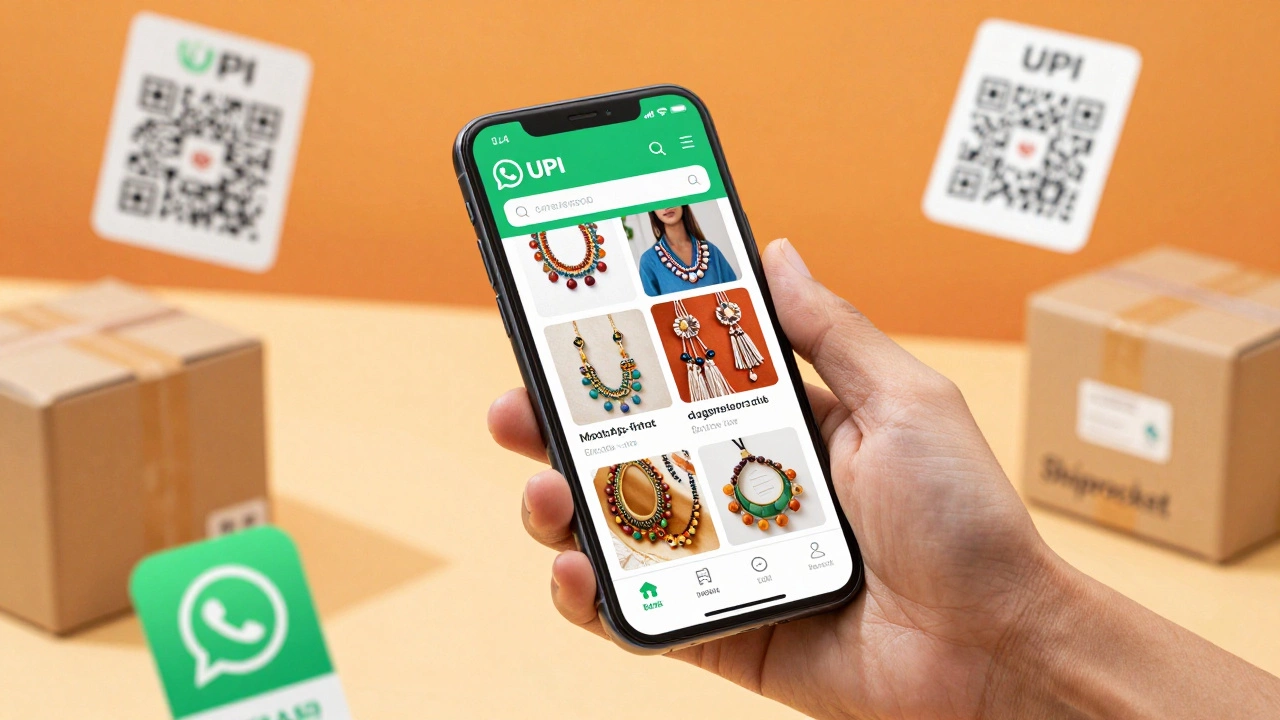
Not everyone needs a full-fledged website. Many successful Indian businesses operate primarily through WhatsApp and Instagram. This is where Dukaan is a mobile-first platform that allows users to create an online store directly from their smartphone. Dukaan lets you build a store in minutes and share it via a link. It integrates deeply with WhatsApp Business, allowing customers to browse and buy without leaving the chat app. This reduces friction significantly for impulse buyers.
Similarly, Instamojo is a popular payment and checkout platform ideal for selling digital products, courses, and services. If you are an educator selling e-books or a consultant offering packages, Instamojo provides simple checkout pages. You don't manage inventory; you just send a link. It’s perfect for freelancers and creators who want to monetize their audience quickly without dealing with shipping logistics.
Critical Integrations for Indian Businesses
Your platform choice is only half the battle. To succeed, you must integrate three key components:
- Payment Gateways: As mentioned, UPI is king. Ensure your platform supports QR code payments and net banking. Razorpay and Cashfree are industry standards because they offer high approval rates and easy reconciliation reports.
- Logistics Aggregators: Shipping across India is complex due to PIN code restrictions and varying delivery times. Use aggregators like Shiprocket or Pickrr. They compare rates from multiple couriers (Delhivery, Xpressbees, Ecom Express) and automate label printing. This saves hours of manual work.
- GST Compliance Tools: Selling online means collecting GST. Your platform should generate invoices that comply with Indian tax laws. Look for features that auto-calculate GST based on the customer's state and allow you to download GSTR-1 ready files.
Marketing and Customer Acquisition
Having a store is useless if no one visits it. In India, social commerce is exploding. Platforms like Meesho have trained users to expect social sharing and group buying. Your ecommerce platform should support easy sharing on Instagram Stories, WhatsApp Status, and Facebook Groups.
SEO (Search Engine Optimization) is also crucial. If you choose WooCommerce, you have better control over SEO elements like meta tags and site structure. Shopify has improved its SEO capabilities, but you still rely on their template structures. Invest in content marketing-write blogs about your products, share behind-the-scenes stories, and engage with your community. Trust is the currency of Indian ecommerce; people buy from brands they feel connected to.
Common Pitfalls to Avoid
Many new entrepreneurs make costly mistakes. First, underestimating the cost of returns. Plan for a 10-15% return rate, especially with COD orders. Factor this into your pricing strategy. Second, ignoring mobile optimization. Over 70% of Indian internet traffic comes from mobile devices. If your site loads slowly on a 4G connection, you will lose customers instantly. Test your site on low-end Android phones to ensure smooth performance.
Finally, don't neglect customer support. Indians value personal interaction. Offer WhatsApp support, phone numbers, and live chat. Automated bots are fine for FAQs, but real humans resolve issues faster and build loyalty. Your platform should facilitate easy communication channels.
Decision Framework: Which One Is Right for You?
To simplify your choice, ask yourself these questions:
- Do I have a tight budget and technical skills? Choose WooCommerce.
- Do I want to start selling immediately with zero hassle? Choose Shopify or Dukaan.
- Am I selling digital products or services? Choose Instamojo.
- Is my primary channel WhatsApp? Choose Dukaan.
- Do I plan to scale to thousands of SKUs? Choose Shopify or BigCommerce.
There is no single "best" platform. There is only the best platform for your current stage of growth. Start small, validate your product-market fit, and then migrate if needed. Most platforms offer export/import tools to move your data later.
Is Shopify available in India?
Yes, Shopify is fully available in India. You can sign up using an Indian bank account and integrate with local payment gateways like Razorpay and Paytm. However, Shopify Payments (their native gateway) is not available, so you will use third-party providers.
Which platform is best for dropshipping in India?
Shopify is widely considered the best for dropshipping due to its vast app ecosystem. Apps like Spocket and DSers connect you with suppliers who handle inventory and shipping. WooCommerce can also be used with plugins like AliDropship, but setup is more complex.
Can I sell on Amazon and my own website simultaneously?
Absolutely. Many successful brands use a multi-channel approach. You can list products on Amazon, Flipkart, and your own Shopify/WooCommerce store. Use inventory sync tools to avoid overselling. Your own website builds brand equity, while marketplaces provide immediate traffic.
How do I handle GST on my online store?
Most modern platforms allow you to set up GST rules based on state codes. You can configure different tax rates for intra-state (CGST + SGST) and inter-state (IGST) sales. Always consult a CA to ensure your configuration matches current regulations, and use automated invoice generation features.
What is the cheapest way to start an online store in India?
The cheapest option is WooCommerce if you already have a WordPress site, or Instamojo/Dukaan if you want a quick start. Instamojo has a free tier with transaction fees. For a full website, shared hosting for WooCommerce can cost as little as ₹300-₹500 per month initially.
