BNPL Payment Calculator
Calculate Your Buy-Now-Pay-Later Plan
Enter your purchase details to see your monthly payment plan.
Real-World Example: A ₹200 snack order split into 2 payments = ₹100/month (as mentioned in the article)
India’s ecommerce market isn’t just growing-it’s exploding. In 2025, online sales crossed ₹12 lakh crore for the first time, with over 750 million people shopping online. That’s more than the entire population of Europe. But what does the future really look like? It’s not just about more people buying things online. It’s about how they buy, what they buy, and who’s helping them do it.
Mobile-First Shopping Is Now the Only Way
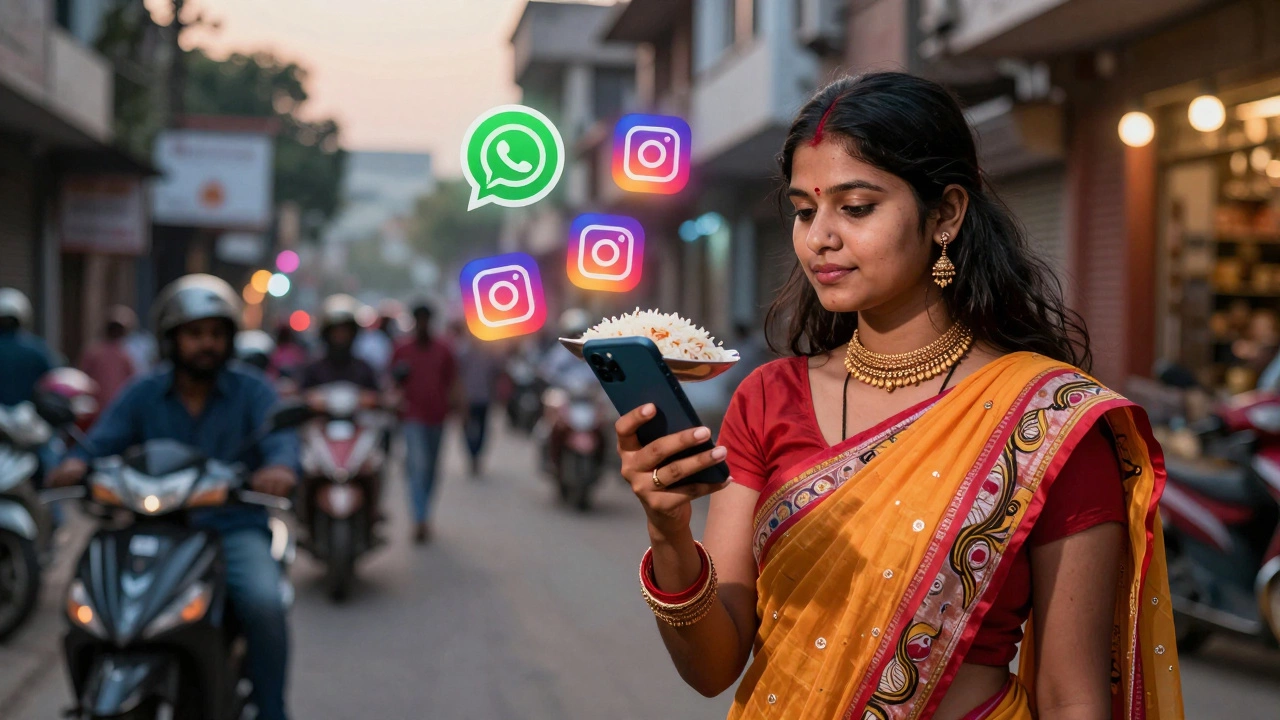
If you think desktop shopping is still relevant in India, you’re living in 2015. Today, over 92% of all ecommerce transactions happen on smartphones. Apps are the new storefronts. Even small-town sellers are using WhatsApp and Instagram to take orders. The future belongs to apps that work on low-end phones, use minimal data, and load in under two seconds. Companies like Meesho and Udaan didn’t become giants by building fancy websites. They built tools that work on ₹5,000 phones with 2G connections.
Expect more innovations like voice-based shopping in regional languages. Imagine saying, "Order 5 kg basmati rice," and your phone does it-no typing, no app switching. That’s already happening in Tamil Nadu and Uttar Pradesh. The next big player won’t be Amazon or Flipkart. It’ll be someone who nails vernacular voice commerce.
Hyperlocal Delivery Is Becoming the Norm
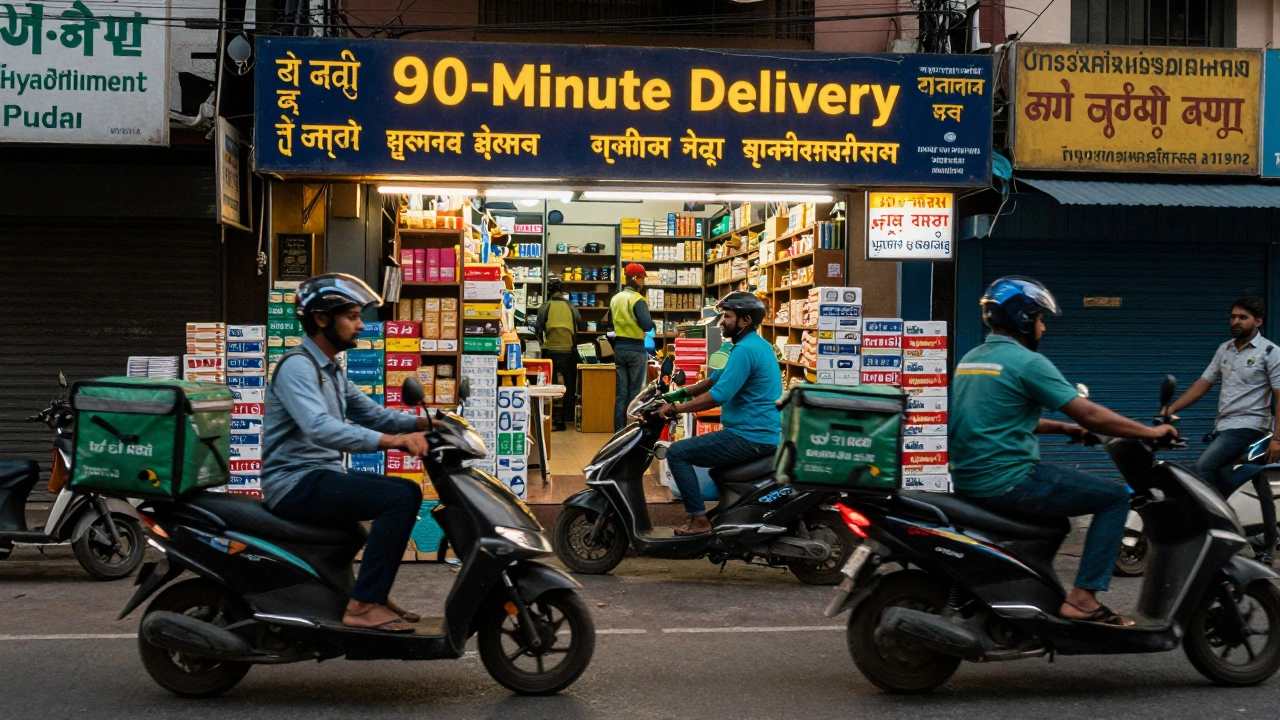
Two-hour delivery used to be a luxury. Now, it’s expected. In cities like Hyderabad, Pune, and Jaipur, customers want groceries, medicines, and even electronics delivered in under 90 minutes. That’s why local dark stores are popping up in every neighborhood. A single warehouse in Bangalore now serves 15 different pin codes with micro-fulfillment centers. This isn’t just about speed-it’s about reducing logistics costs and carbon footprints.
Platforms like Blinkit and Zepto didn’t win because they had more money. They won because they understood that delivery isn’t a feature-it’s the product. In the next three years, expect every major city to have at least three hyperlocal players competing for your next milk or mask order.
The Rise of Social Commerce
Forget shopping carts. The future of Indian ecommerce is live streams, group buys, and influencer-driven sales. In 2025, social commerce accounted for 38% of all online sales in India. That’s more than Amazon’s entire Indian revenue. TikTok Shop, Instagram Live, and even WhatsApp groups are where people discover and buy products.
Small businesses are thriving because they don’t need websites. A tailor in Lucknow sells 200 shirts a week through Instagram reels. A jewelry maker in Jaipur uses WhatsApp catalogs to take custom orders. Platforms like Meesho and ShareChat are giving these sellers tools to create product videos, accept UPI payments, and manage returns-all inside apps they already use every day.
The next wave will be AI-powered shoppable reels. Imagine watching a 15-second video of someone wearing a kurta, tapping the outfit, and buying it before the video ends. That’s not sci-fi. It’s live on Meesho right now.
Regional Languages Are the New English
India’s ecommerce future doesn’t speak English. It speaks Hindi, Tamil, Telugu, Bengali, Marathi, and Punjabi. In 2024, over 60% of new online shoppers came from non-metro cities. And most of them didn’t know how to spell "laptop"-but they knew how to say "laptop kaise khareedu?"
Companies that stuck to English interfaces lost market share. Those that added regional language UIs, customer support, and search filters saw 3x growth. Flipkart now has a full Hindi mode. Myntra lets you search for "lehenga" or "लेहंगा" and gets the same results. Even payment gateways now support voice-based UPI commands in 12 languages.
By 2027, if your ecommerce platform doesn’t work in at least five Indian languages, you won’t survive.
Payments Are Getting Smarter (and Simpler)
UPI changed everything. In 2025, over 80% of ecommerce transactions used UPI. No cards. No net banking. Just scan, confirm, done. But the future is even simpler. Buy now, pay later (BNPL) is exploding-especially in tier-2 and tier-3 cities. Platforms like LazyPay, ZestMoney, and Simpl let you buy a washing machine today and pay ₹500 a month.
And it’s not just for big purchases. Even a ₹200 order for snacks can be split into two payments. BNPL isn’t about debt-it’s about trust. Companies are using AI to assess creditworthiness based on phone usage, WhatsApp message patterns, and even how often you pay your electricity bill. No CIBIL score? No problem.
Expect cash-on-delivery to vanish by 2028. Prepaid is the only option that makes sense for sellers now. And with UPI Lite and offline UPI, even areas without internet can complete payments using QR codes.
Why Sustainability Is No Longer Optional
Indian shoppers aren’t just looking for deals anymore. They’re asking: "Who made this?" and "What happens to the packaging?"
Startups like PackageFree and EcoCart are thriving because they offer plastic-free delivery, returnable containers, and carbon-neutral shipping. Big players are forced to follow. Flipkart now uses 100% recycled cardboard. Amazon India has 10,000 returnable packaging hubs. Customers are choosing sellers based on eco-credentials-not just price.
By 2027, every major platform will have an "Eco Score" for products. It’ll show how much plastic was saved, how far the item traveled, and whether workers were paid fairly. This isn’t a trend. It’s becoming a requirement.

The Role of AI and Automation
AI isn’t just for chatbots. It’s rewriting how inventory is managed, how returns are processed, and how recommendations are made.
In Jaipur, a small jewelry seller uses AI to predict which designs will sell in the next Diwali based on past trends, local festivals, and even weather patterns. In Ludhiana, a textile supplier uses AI to auto-generate product descriptions in 8 languages. In Delhi, returns are sorted by robots in under 10 minutes.
Automation is cutting costs so much that even small sellers can afford tools that used to cost lakhs. A ₹2,000/month AI tool can now handle customer service, inventory, and ads. The future belongs to sellers who use AI to do the boring stuff-so they can focus on what matters: quality and trust.
What’s Next? The Big Shifts Coming by 2028
Here’s what’s coming fast:
- Decentralized marketplaces-Think Shopify, but built on blockchain. Sellers own their data, set their fees, and get paid instantly.
- AI-generated product photos-No more hiring photographers. A seller uploads a photo, and AI generates 10 professional-looking variants in seconds.
- AR try-ons for clothes and jewelry-Using your phone camera, you can see how a necklace looks on you before buying.
- Government-backed digital identity-Aadhaar-linked commerce will let you buy anything with just a fingerprint or voice.
The next decade won’t be about who has the most apps. It’ll be about who understands the real needs of India’s 750 million online shoppers.
Final Thought: It’s Not About Tech. It’s About Trust.
The biggest barrier to ecommerce growth in India isn’t internet speed. It’s trust. People don’t trust big platforms. They trust local sellers. They trust neighbors. They trust voices they recognize.
The winners of the next phase won’t be the ones with the most money. They’ll be the ones who build real relationships. The ones who answer calls in regional languages. The ones who deliver on time, even in rain. The ones who let customers return things without hassle.
That’s the real future of Indian ecommerce-not pixels, not algorithms, but people.
