
Business Risk Calculator
This tool helps you assess the risk level of your business idea based on key financial factors. Input your numbers to see if you're on track for long-term stability or if adjustments are needed.
Risk Assessment
Recommendations
Starting a new venture is scary. The statistics are brutal. About half of all new businesses close within the first five years. But you aren't looking for a gamble. You want stability. You want to know what business is least likely to fail. This isn't about getting rich quick. It is about building something that survives. In the current economic climate of 2026, uncertainty is high, making the choice of business model critical for your long-term security.
Many people assume that tech startups or trendy retail stores are the safest bets because they sound exciting. In reality, the most stable businesses often look boring. They solve fundamental human problems that exist regardless of economic shifts. When you strip away the hype, you find that survival depends on cash flow, low overhead, and consistent demand. Understanding these mechanics is the first step toward picking a venture that stays open.
Understanding Why Businesses Fail
Before you pick a model, you need to know what kills a company. The Small Business Administration tracks failure data and consistently points to a few main culprits. The biggest killer is running out of cash. Even if you have a great product, you cannot pay staff or suppliers if the money stops coming in.
Another major factor is lack of market need. You might love your idea, but if nobody is willing to pay for it, the business dies. Then there is poor planning. Jumping in without a financial roadmap leads to overspending on things that don't generate revenue. By understanding these risks, you can select a business type that naturally mitigates them.
Top Low-Risk Business Models
Some industries have historically shown much higher survival rates than others. These sectors typically involve lower startup costs and immediate revenue potential. Here are the specific models that stand out for stability.
Service-Based Businesses
Service businesses are often the least likely to fail because they require minimal inventory. You are selling your time and expertise. Cleaning services, landscaping, and consulting are prime examples. If you are a consultant, you don't need to buy a warehouse full of products. You just need a laptop and a phone.
This model allows for rapid adjustment. If one client leaves, you can find another without worrying about unsold stock. The overhead is low, which means your break-even point is much lower than a retail store. You can start this from your living room, keeping your personal expenses separate from business risks.
Essential Services
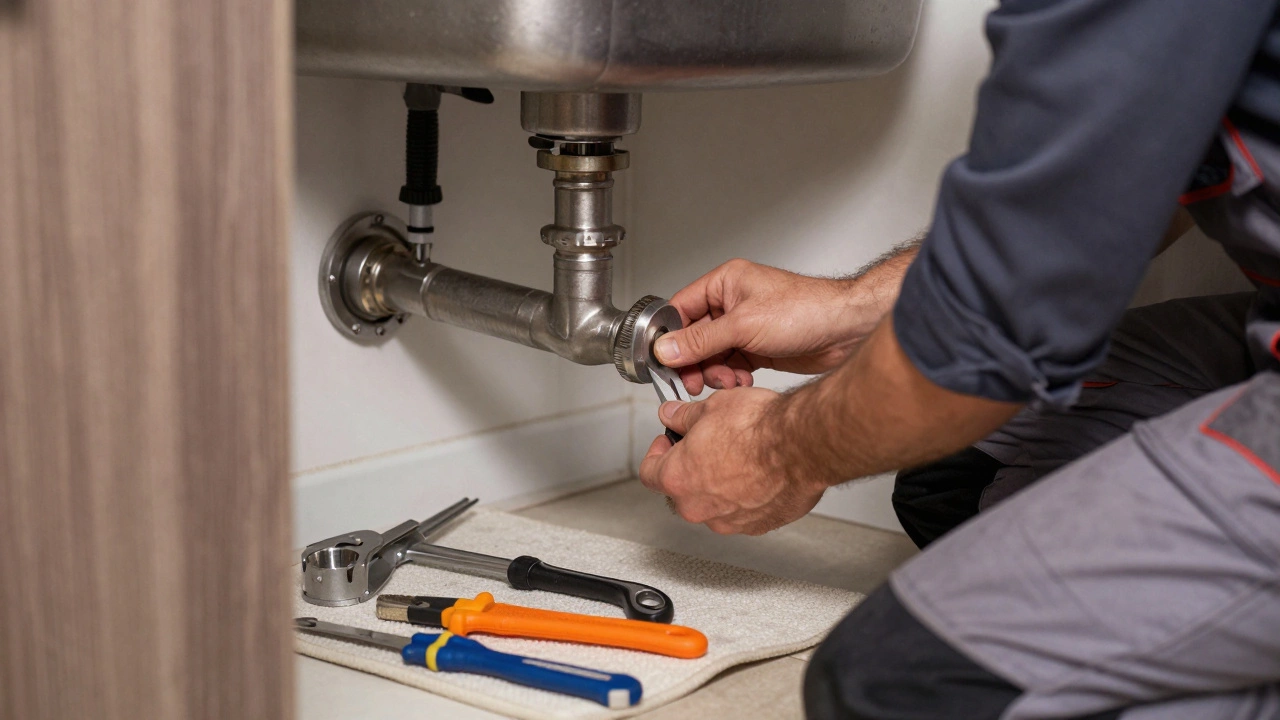
People always need food, healthcare, and repairs. Businesses that provide these essentials tend to weather economic downturns better. Think of home care services for the elderly or plumbing. When a pipe bursts, a homeowner calls a plumber regardless of the stock market. This demand is inelastic, meaning it doesn't shrink when people have less money.
These businesses often have recurring revenue streams. A landscaping company might have a monthly contract for lawn maintenance. A home care agency bills weekly for shifts. This predictability helps you manage cash flow, which is the lifeblood of any company.
Franchises
Buying into an established brand reduces the risk of failure significantly. A franchise provides a proven business model, training, and marketing support. While the upfront cost is higher, the success rate is statistically better than independent startups. You are buying a system that has already worked elsewhere.
However, you must do your due diligence. Not all franchises are equal. Look for brands with a long track record and low franchisee turnover. The support network can be a safety net when you face operational challenges that a solo entrepreneur would struggle with alone.
The Advantage of Home-Based Operations
Running a business from home drastically changes the risk profile. Rent is often the largest expense for a new company. By working from your existing space, you eliminate this monthly burn rate. This is particularly relevant for the Home-Based Business category, where overhead is minimized by design.
When you operate from home, you can reinvest profits back into growth rather than paying a landlord. This flexibility allows you to survive lean months more easily. If sales drop in January, you don't have to worry about a commercial lease. You can scale up slowly as revenue grows, keeping your financial exposure low.
Furthermore, home-based businesses often face fewer regulatory hurdles in the early stages. You might not need a commercial insurance policy immediately, depending on your local laws. This reduces the initial capital required to launch. You can test the market with a small budget before committing to a larger physical location.
Financial Stability Factors
Beyond the industry type, specific financial habits determine survival. Cash flow management is paramount. You need to track every dollar coming in and going out. Many businesses fail because they confuse revenue with profit. Just because money is in the bank doesn't mean it is yours to spend if it is earmarked for taxes or supplier payments.
Building an emergency fund is non-negotiable. Aim to have three to six months of operating expenses saved before you launch. This buffer protects you from unexpected costs like equipment repair or slow sales periods. It gives you the peace of mind to make strategic decisions rather than panic moves.
Another key attribute is diversification. Relying on a single client or product is dangerous. If that one client stops paying, your business collapses. A stable business has multiple revenue streams. A consultant might offer hourly rates, package deals, and online courses. This spreads the risk across different income sources.
| Business Type | Startup Cost | Risk Level | Scalability |
|---|---|---|---|
| Service Business | Low | Low | Medium |
| Franchise | High | Medium | High |
| Retail Store | High | High | Medium |
| Online Consulting | Very Low | Low | High |

Steps to Minimize Risk
Even the best business model can fail if executed poorly. You need a plan to protect your investment. Start by validating your idea. Talk to potential customers before you spend money. Ask them if they would pay for your service. This saves you from building something nobody wants.
Next, keep your costs lean. Do not buy expensive equipment on day one. Rent or lease what you can. Use free software tools for accounting and marketing until you can afford paid versions. Every dollar saved is a dollar of runway that keeps you alive longer.
Finally, stay adaptable. The market changes. What works today might not work next year. Monitor your competitors and customer feedback. Be willing to pivot your offering if you see a better opportunity. Flexibility is a survival trait for any entrepreneur.
Choosing the Right Path
There is no single perfect business for everyone. Your skills, location, and risk tolerance matter. If you have a trade skill, a service business might be best. If you prefer structure, a franchise could work. If you value freedom, home-based consulting offers flexibility.
The goal is to align your business choice with your financial reality. Do not take on debt you cannot repay. Start small and grow organically. Stability comes from consistent execution and smart financial management, not from chasing the next big trend.
What is the safest business to start in 2026?
Service-based businesses like cleaning, consulting, or home care are generally considered the safest due to low overhead and consistent demand.
How much money do I need to start a low-risk business?
Many service businesses can be started with less than $1,000 if you work from home and use existing equipment.
Why do most startups fail?
The primary reasons include running out of cash, lack of market need, and poor financial planning.
Is a franchise safer than an independent business?
Yes, franchises have a higher success rate due to established systems, but they require higher upfront investment.
Can I run a business from home legally?
In most areas, yes, but you should check local zoning laws and HOA rules to ensure compliance.
Building a business that lasts requires patience and discipline. Focus on the fundamentals of cash flow and customer value. Avoid the temptation to scale too fast. A small, profitable business is better than a large, failing one. By choosing a model with inherent stability and managing your finances wisely, you can create a venture that stands the test of time.
