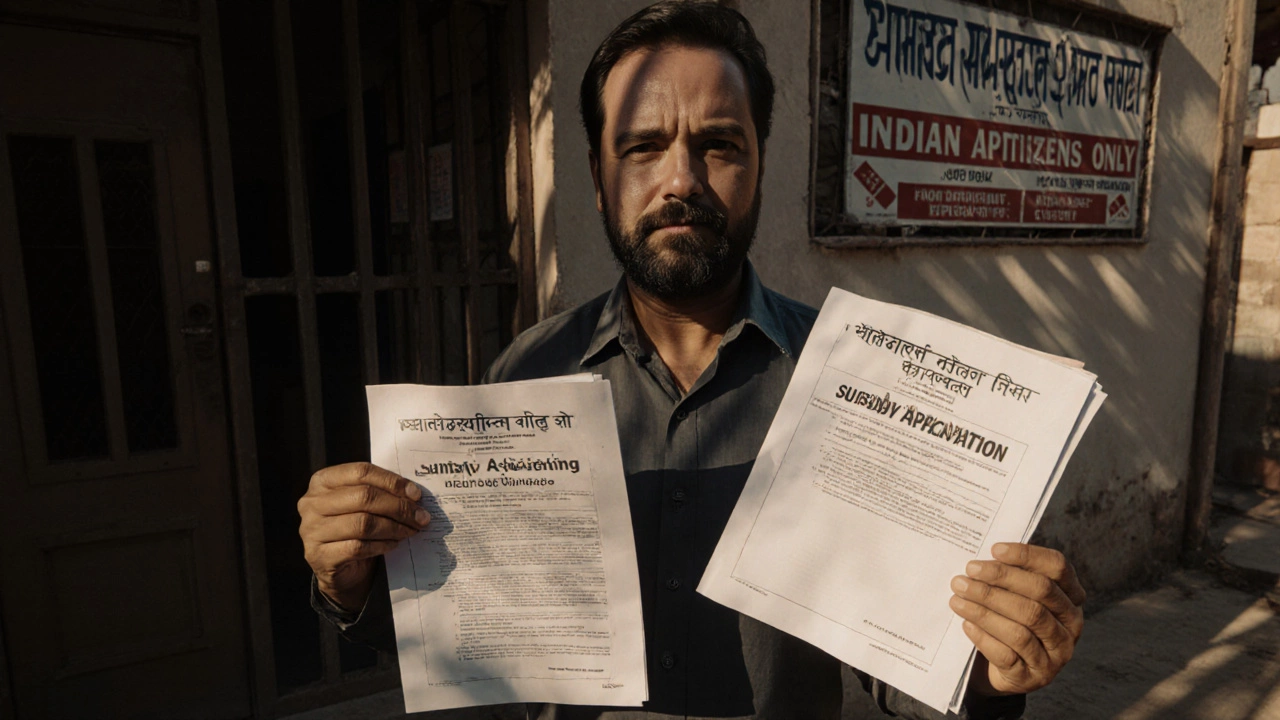
OCI vs PIO: What’s the Difference and Which One Matters for Indian Entrepreneurs?
When you’re an Indian living overseas and want to keep strong ties back home, OCI, the Overseas Citizen of India card, is a long-term visa that lets you live, work, and invest in India with near-citizenship rights. Also known as Overseas Citizen of India status, it replaced the older PIO card system in 2015 and is now the only option for most people with Indian roots seeking permanent connection to India. The PIO card, the Person of Indian Origin card, was a previous program that offered limited benefits like visa-free travel and property rights. It’s no longer issued, and existing PIO cardholders were automatically converted to OCI status. If you’re running a business in India or planning to invest here, understanding this shift isn’t just bureaucratic—it affects your ability to open bank accounts, start a company, or even buy land.
Many entrepreneurs from the U.S., Canada, or the UK assume OCI and PIO are interchangeable, but that’s not true anymore. OCI gives you lifetime visa-free entry to India, the right to work in most sectors, and the ability to own residential or commercial property (except farmland). You don’t need to renew it, and your children can inherit the status. The PIO card, on the other hand, had a 15-year expiry, didn’t allow you to work in government jobs, and didn’t grant property rights in some states. Even though PIO cards are now obsolete, some people still hold them—and they’re confused about what they can do with them. The government quietly merged all PIO holders into OCI in 2015, so if you still have a PIO card, it’s technically valid until it expires, but you should apply for OCI if you need to renew or upgrade.
If you’re an entrepreneur with Indian heritage, your choice between OCI and PIO isn’t really a choice anymore—it’s about whether you’ve upgraded. OCI opens doors that PIO never could: you can apply for startup funding in Andhra Pradesh, register a company with the Ministry of Corporate Affairs, or even sit on the board of an Indian firm without special permissions. The only thing OCI doesn’t give you is the right to vote or hold public office. For anyone serious about building a business in India, OCI isn’t just a travel perk—it’s a business enabler. And if you’re still using outdated info about PIO cards, you’re risking missed opportunities or compliance issues.
Below, you’ll find real stories and guides from Indian entrepreneurs who’ve navigated this system—some got stuck for months because they didn’t know PIO was retired, others saved thousands by switching to OCI before their visa expired. Whether you’re planning to relocate, invest, or just keep your roots alive, the difference between OCI and PIO could shape your entire business future in India.
OCI cards offer lifetime entry to India but come with serious business restrictions: no land ownership, no government subsidies, limited bank loans, and barred access to key industries. Here’s what you really can’t do with an OCI card.