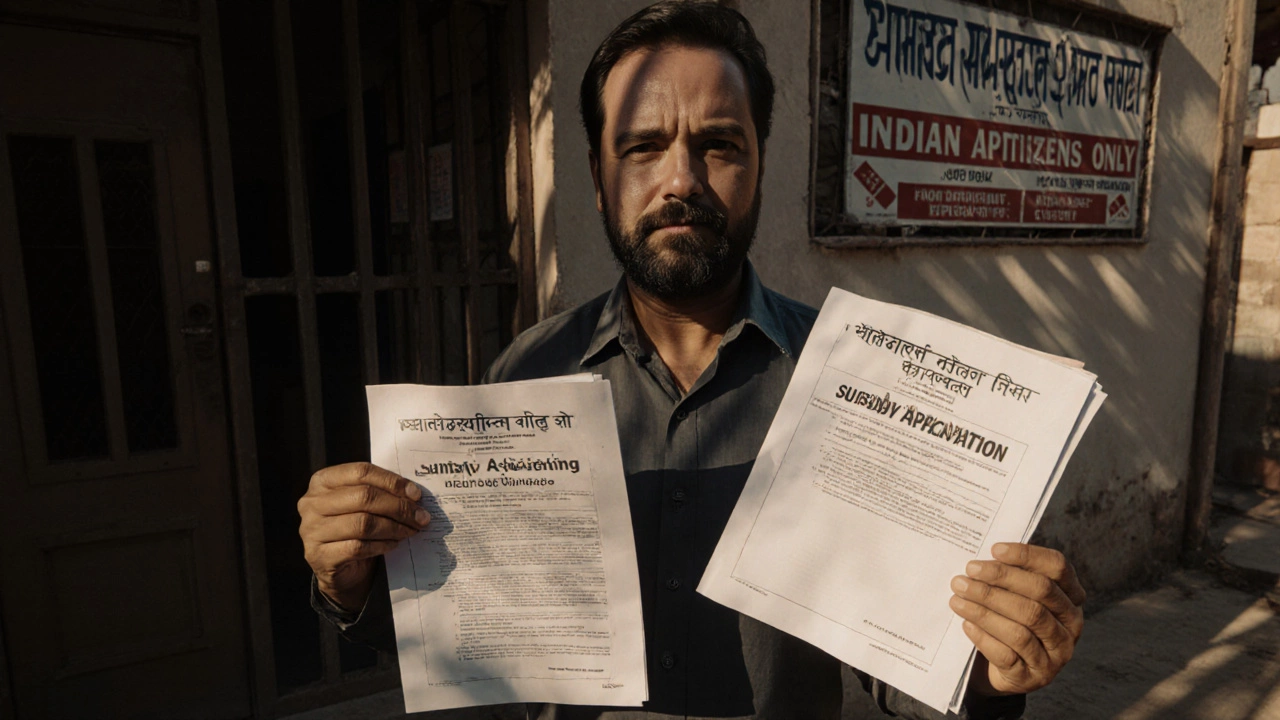
OCI Card Restrictions: What You Can and Can't Do with Your OCI in India
When you hold an OCI card, a lifelong visa for people of Indian origin that lets them live and work in India without a regular visa. Also known as Overseas Citizenship of India, it’s one of the most valuable documents for NRIs and PIOs—but it’s not a passport, and it doesn’t give you full rights. Many think getting an OCI means you’re back to being an Indian citizen. That’s not true. The OCI card restrictions are real, and ignoring them can cost you fines, travel bans, or even cancellation of your status.
One major restriction? You can’t vote in Indian elections. You can’t hold public office. You can’t buy agricultural land. These aren’t loopholes—they’re legal boundaries written into India’s Citizenship Act. Even if you’ve lived in India for 20 years, if you’re not a citizen, you can’t own farmland. That rule trips up a lot of people who want to retire in Kerala or start a farm in Punjab. The same goes for government jobs. You can work for private companies, run your own business, or even teach at a private college—but you can’t join the police, army, or any state-run agency. The OCI card, a document issued by the Indian government to people of Indian origin living abroad gives you freedom, but not equality.
Then there’s the issue of long-term stays. While OCI holders can live in India forever, they still need to register with the Foreigners Regional Registration Office (FRRO) if they stay more than 180 days in a row. And if you change your address or job, you have to update your details within 10 days. Miss that? You’re technically violating immigration rules. Also, if you’re traveling on an OCI card, you must carry your foreign passport every time you fly into India. Leave it at home? You’ll be turned away at immigration. These aren’t suggestions—they’re mandatory steps. And if you’re thinking of starting a business in India with your OCI, you can’t get a government contract or bid for public tenders. That’s reserved for Indian citizens only. Even if your company is registered in Hyderabad or Vijayawada, the rules still apply.
There’s also confusion around property rights. You can buy residential or commercial property—no problem. But if you’re married to an Indian citizen and want to transfer property to your spouse after death, you’ll need a will that follows Indian succession laws. If you don’t, your family could face years in court. And if you’re a minor holding OCI? You still need a guardian to sign legal documents. The system doesn’t make exceptions for age or family ties.
What about taxes? OCI holders pay the same income tax as Indian residents if they live here for more than 182 days a year. But you still have to file returns, report global income, and keep records. The Indian tax department doesn’t treat OCI holders differently just because they’re foreign passport holders. Many people assume they’re exempt, and that’s how they get audited.
Below, you’ll find real stories, updated rules, and practical advice from people who’ve navigated these restrictions—whether they’re running a tech startup in Visakhapatnam, managing a family business in Chennai, or planning retirement in Goa. No theory. Just what works, what doesn’t, and what you need to know before you make a move.
OCI cards offer lifetime entry to India but come with serious business restrictions: no land ownership, no government subsidies, limited bank loans, and barred access to key industries. Here’s what you really can’t do with an OCI card.