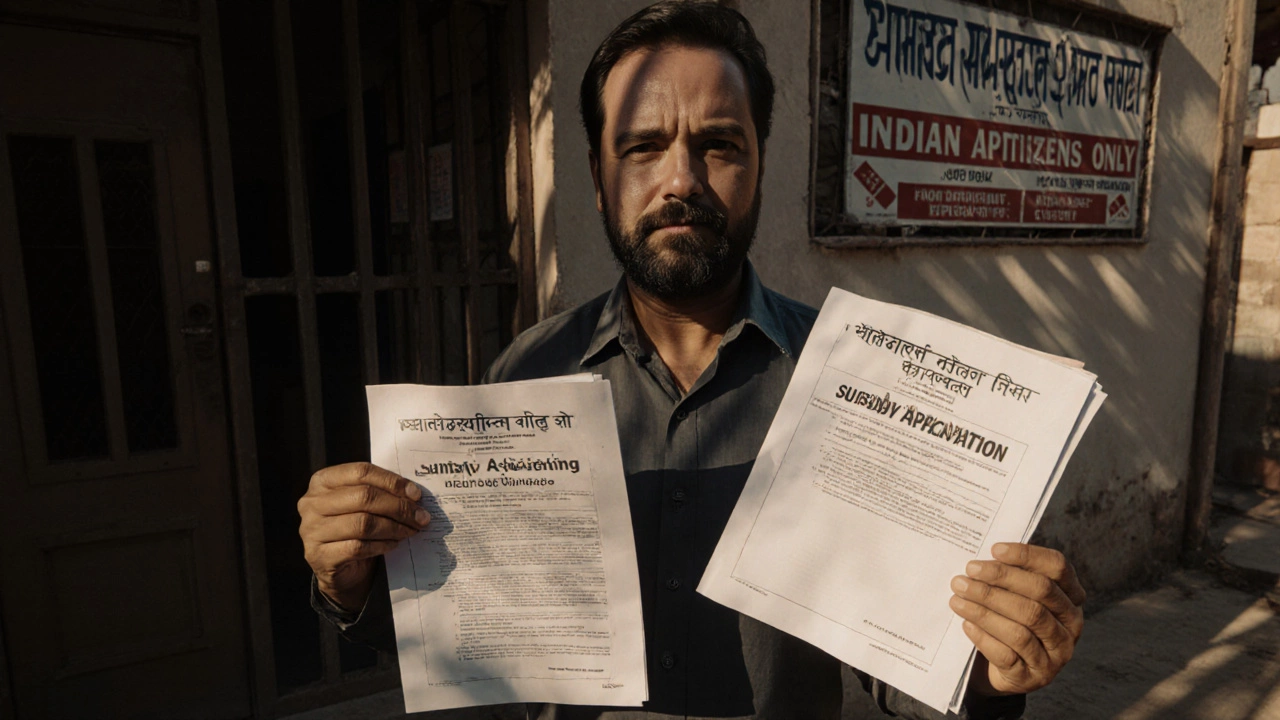
OCI Card Limitations: What You Can and Can't Do with Your OCI Card in India
When you hold an OCI card, an Overseas Citizen of India card issued by the Government of India to people of Indian origin living abroad. Also known as Overseas Citizen of India status, it gives you lifelong visa-free entry to India and many rights close to citizenship—but it’s not the same as being an Indian citizen. Many people assume the OCI card is a full substitute for Indian nationality, but that’s where things go wrong. It doesn’t let you vote, hold public office, or join the Indian military. If you’re planning to move back, invest, or start a business, these gaps matter.
The OCI card, an Overseas Citizen of India card issued by the Government of India to people of Indian origin living abroad. Also known as Overseas Citizen of India status, it gives you lifelong visa-free entry to India and many rights close to citizenship—but it’s not the same as being an Indian citizen. doesn’t let you buy agricultural land, even if you’re of Indian descent. That’s a hard rule, and it’s enforced across all states, including Andhra Pradesh. You also can’t apply for government jobs, even in public sector companies like BHEL or ONGC. And if you’re thinking of running a startup in India, you’ll still need a regular business visa or work permit to manage operations on the ground—OCI doesn’t override immigration rules for employment. The OCI card, an Overseas Citizen of India card issued by the Government of India to people of Indian origin living abroad. Also known as Overseas Citizen of India status, it gives you lifelong visa-free entry to India and many rights close to citizenship—but it’s not the same as being an Indian citizen. also won’t protect you from foreign exchange controls. You can’t freely repatriate funds from Indian businesses the way an Indian citizen can. And if you’re an entrepreneur, you can’t use your OCI status to bypass RBI rules on foreign investment in sectors like retail or defense.
People often confuse the OCI card with dual citizenship, but India doesn’t allow dual nationality. The OCI card is a lifelong travel and residency permit, not a passport replacement. You still need your foreign passport to enter and exit India. If you lose it, you’re stuck until you get a replacement. And while you can open bank accounts, get a PAN card, and even buy residential property, the moment you step into regulated sectors—like education admissions for your kids in government schools or applying for a government subsidy—you’ll hit walls. The OCI card limitations aren’t hidden—they’re written in plain text on the Ministry of Home Affairs website, but most people don’t read them until they’re already in trouble.
What you’ll find below are real stories and practical guides from Indian entrepreneurs, exporters, and investors who ran into these limits firsthand. Some tried to launch a startup with OCI status and hit legal roadblocks. Others assumed they could inherit land and were shocked when the registrar refused the transfer. A few thought OCI meant they could work remotely for an Indian company without a visa—until the tax department came knocking. These aren’t edge cases. They’re common mistakes. The posts here cut through the hype and show you exactly where the OCI card works, where it doesn’t, and what you need to do next to protect your business or family plans in India.
OCI cards offer lifetime entry to India but come with serious business restrictions: no land ownership, no government subsidies, limited bank loans, and barred access to key industries. Here’s what you really can’t do with an OCI card.