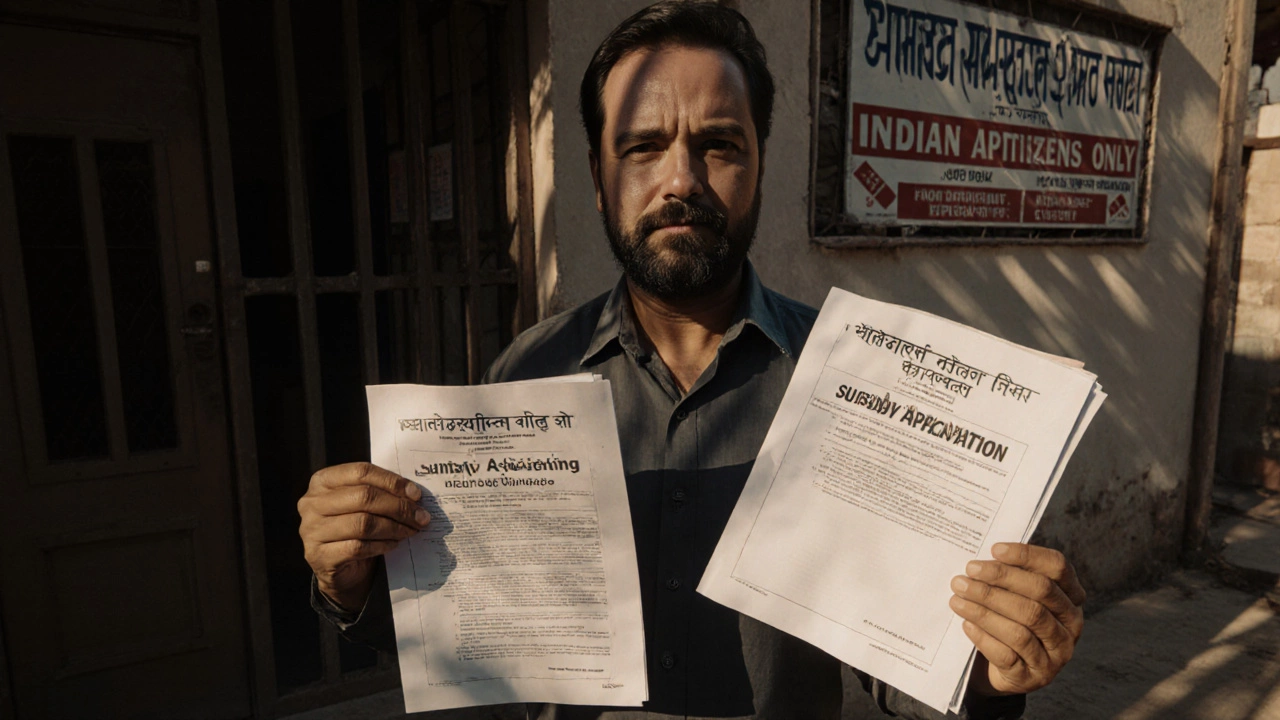
OCI Card Disadvantages: What No One Tells You About India's Overseas Citizenship
When you hear about the OCI card, Overseas Citizenship of India, a lifelong visa-like status for people of Indian origin living abroad. Also known as Overseas Citizen of India card, it promises easy travel, property rights, and a cultural connection to India. But here’s the truth most brochures skip: the OCI card isn’t a passport replacement. It’s a complicated middle ground—with real downsides that can trap you if you don’t know the rules.
First, you can’t vote. Even if you were born in Andhra Pradesh and still have family there, you lose your right to pick who runs the country. You can’t hold public office either. That’s not a minor detail—it’s a legal wall. Then there’s the job ban. OCI holders can’t work in government jobs, police roles, or any position tied to national security. That rules out teaching in public universities, joining the defense sector, or even working for state-run banks in certain roles. If you thought the OCI card meant full access to India’s economy, think again. You also can’t buy agricultural land. You can own residential or commercial property, but farming land? Strictly off-limits. That’s a huge deal for families hoping to return to rural roots or invest in agribusiness.
And here’s the quiet frustration: OCI holders don’t get the same treatment as Indian citizens when it comes to fees. You pay foreigner rates for education at public universities, even if your parents were born in Telangana or Andhra. You can’t get an Indian driver’s license unless you’re a resident—so if you visit often, you’re stuck renting cars or hiring drivers. Even something as simple as applying for a SIM card can be a hassle. Many telecom providers still treat OCI holders like tourists, requiring extra paperwork or refusing service altogether. And forget about fast-track services. While Indian citizens get priority in passport offices, OCI holders often wait in the same line as regular tourists.
The biggest surprise? The OCI card doesn’t guarantee entry. India can cancel it without warning if you break any law—even a minor one abroad. There’s no appeal process. And if you ever hold a passport from a country that’s hostile to India, you risk losing your OCI status. That’s not hypothetical. There are documented cases where people lost their cards after moving to Pakistan or China for work.
It’s not all bad—OCI still saves you from visa hassles and lets you live in India for long stretches. But if you’re considering it because you think it’s a shortcut to full citizenship, you’re setting yourself up for disappointment. The OCI card disadvantages aren’t hidden in fine print—they’re built into the design. This isn’t a golden ticket. It’s a conditional pass with sharp edges.
Below, you’ll find real stories and legal breakdowns from people who’ve been through it—what they wished they knew before applying, how they got stuck, and what alternatives actually work better for Indian diaspora families in 2025.
OCI cards offer lifetime entry to India but come with serious business restrictions: no land ownership, no government subsidies, limited bank loans, and barred access to key industries. Here’s what you really can’t do with an OCI card.