Franchise Profitability Calculator
How Your Budget Affects Profits
Based on verified 2025 data from Indian Franchise Association reports
Your Best Match
When you hear "franchise in India," you might think of fast food chains or coffee shops. But the real money isn’t in selling burgers or lattes-it’s in businesses that solve everyday problems at scale. The most profitable franchise in India right now isn’t the flashiest brand. It’s the one that fits into people’s daily routines, works with low overhead, and scales fast across small towns and cities.
What Makes a Franchise Profitable in India?
Profitability isn’t about brand name. It’s about unit economics. A franchise that costs ₹15 lakh to start but brings in ₹4 lakh monthly net profit beats a ₹50 lakh brand that clears ₹6 lakh a month. Why? Because the first one breaks even in 4 months. The second takes over 8 months. In India’s market, speed to profitability matters more than prestige.
Look at these five factors:
- Low startup cost - Under ₹20 lakh is ideal for quick ROI
- Recurring revenue - Monthly subscriptions, service contracts, or repeat customers
- Low staffing needs - 2-4 employees max, preferably part-time
- High footfall in Tier 2/3 cities - Mumbai and Delhi are crowded. Lucknow, Jaipur, and Coimbatore are where growth is exploding
- Franchisor support - Training, marketing, supply chain, tech tools
Brands that nail these win. The ones that don’t-no matter how famous-die quietly.
The Top 5 Most Profitable Franchises in India (2025 Data)
Based on verified franchisee earnings reports from the Indian Franchise Association and 2024 financial disclosures from franchisors, here are the top performers:
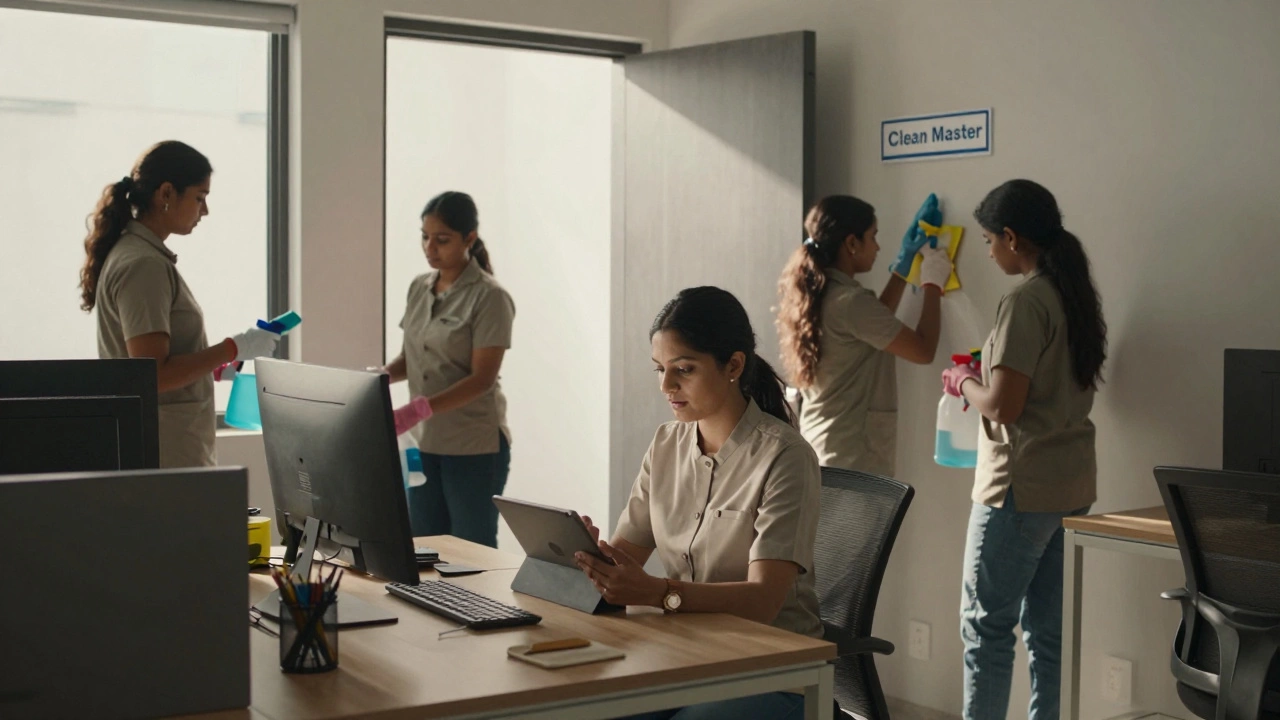
1. Clean Master (Home Cleaning Services)
Started in 2020, Clean Master now has over 1,200 franchise units across India. The model? Hire local women as cleaners, train them in 3 days, and connect them to households via an app. The franchisee doesn’t own the cleaners-they manage bookings, quality control, and payments.
Startup cost: ₹8-12 lakh
Average monthly revenue: ₹5.5-7 lakh
Net profit margin: 42-48%
Break-even: 3-5 months
Why it wins: No inventory. No rent-heavy store. Just a small office and a phone. Demand is rising fast in cities like Indore, Ahmedabad, and Bhopal, where middle-class families now pay ₹500-800 for a deep clean every two weeks.
2. EduKart (After-School Learning Centers)
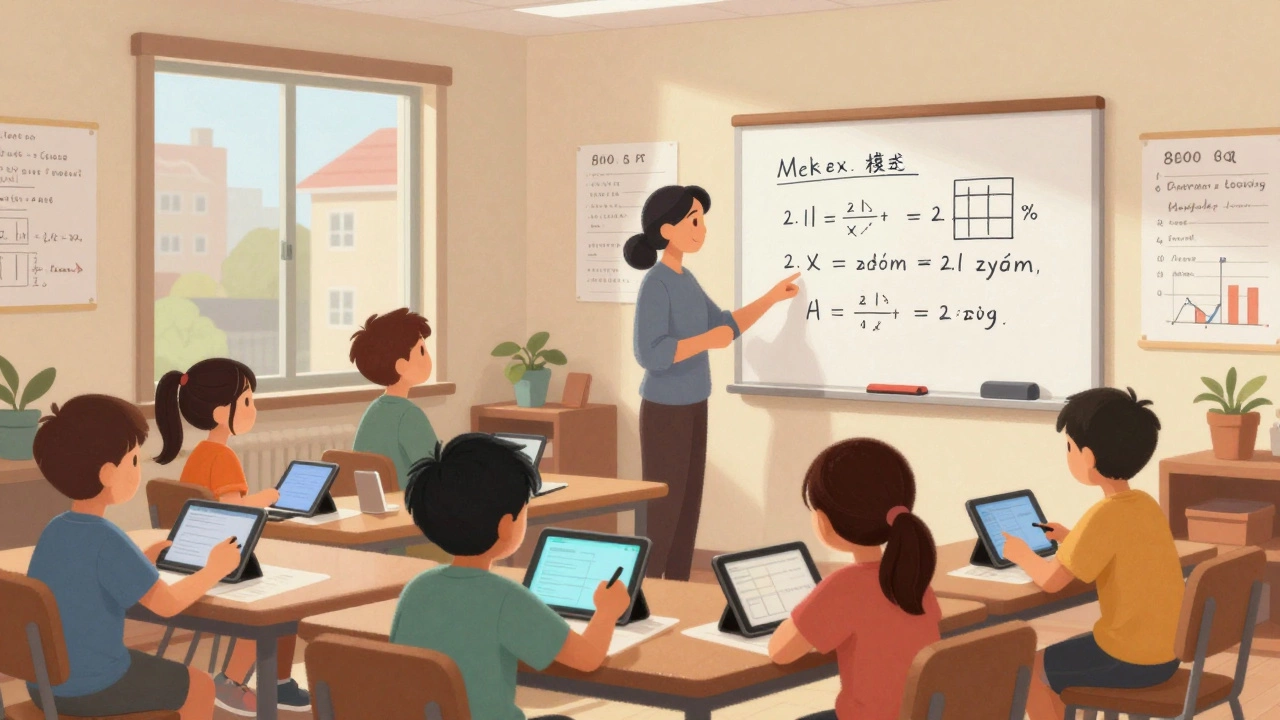
Post-pandemic, parents in India are spending more on after-school coaching than on entertainment. EduKart offers math, science, and English tutoring for grades 3-10. It uses pre-recorded video lessons, AI-powered quizzes, and local tutors for live doubt-solving.
Startup cost: ₹10-15 lakh
Average monthly revenue: ₹6-8 lakh
Net profit margin: 38-45%
Break-even: 4-6 months
Why it wins: Parents pay ₹1,500-2,500 per child per month. One center with 60 students = ₹90,000-1.5 lakh in revenue. Staff: 2 teachers + 1 admin. Space needed: 800 sq. ft. in a residential area. No need for a mall.
3. AquaPure (Water Purification Rentals)
Tap water quality is still a worry in 78% of Indian cities, according to the National Sample Survey Office (2024). AquaPure installs RO systems in homes and offices and charges ₹800-1,200/month for maintenance, filter replacements, and 24/7 support.
Startup cost: ₹12-18 lakh (includes 10 units)
Average monthly revenue: ₹7-9 lakh
Net profit margin: 45-52%
Break-even: 3-4 months
Why it wins: Recurring revenue. No sales pressure. Once installed, customers stay for 2-4 years. Franchisees in Lucknow and Patna report 92% retention rates. The franchisor handles all tech and supply chain.
4. FitBuddy (Home Fitness Kits + Coaching)
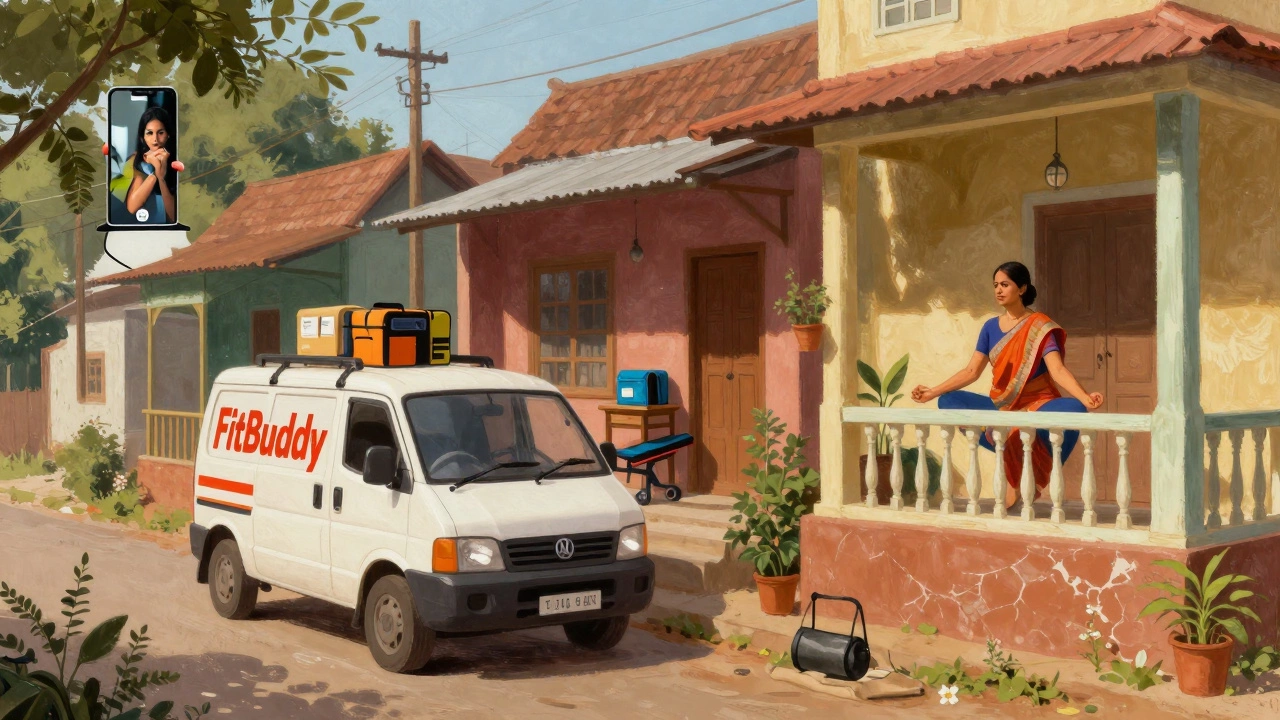
Forget gyms. Indians are buying dumbbells, resistance bands, and yoga mats-but they need guidance. FitBuddy sells ₹2,500-4,000 home fitness kits and adds a ₹999/month coaching plan via WhatsApp and video calls.
Startup cost: ₹6-9 lakh
Average monthly revenue: ₹4-5.5 lakh
Net profit margin: 50-58%
Break-even: 2-3 months
Why it wins: No real estate. No equipment storage. Everything is shipped directly from the franchisor’s warehouse. One franchisee in Coimbatore manages 220 customers with just two part-time coaches. Profit per customer is ₹500-700/month after shipping and support costs.
5. GreenCycle (E-Waste Collection & Recycling)
India generates 3.2 million tons of e-waste yearly. Only 15% is recycled legally. GreenCycle partners with local scrap dealers and offers doorstep pickup of old phones, laptops, and appliances. Customers get ₹50-500 cash or vouchers. The franchisee earns ₹150-300 per unit processed.
Startup cost: ₹7-10 lakh
Average monthly revenue: ₹4.5-6 lakh
Net profit margin: 40-47%
Break-even: 4-5 months
Why it wins: Government incentives for recycling. Low competition outside metros. Franchisees in Nagpur, Surat, and Ranchi are seeing 30% month-over-month growth. The franchisor handles certifications, logistics, and buyer connections.
Why Fast Food Franchises Are Losing Ground
You might think McDonald’s or Domino’s are top earners. They’re not. Here’s why:
- Startup cost: ₹1.5-3 crore
- Staff: 15-25 people
- Space: 1,500-3,000 sq. ft. in a mall or high-street location
- Net profit margin: 12-18%
- Break-even: 18-24 months
Even with high footfall, the overhead eats profits. A single franchisee in Bangalore told me: "I’m working 16 hours a day. My net profit is less than my salary as a software engineer before I quit."
Meanwhile, AquaPure and Clean Master owners are taking 3-day weekends. They’re not rich overnight-but they’re consistently profitable, stress-free, and scaling.
Red Flags to Avoid
Not all franchises are equal. Watch out for:
- Upfront fees over ₹20 lakh - If they don’t show you unit-level profit reports, walk away.
- No territory protection - If two franchises open 500 meters apart, you’re fighting for scraps.
- Supply chain control - If you have to buy all materials from them at inflated prices, your margins vanish.
- No tech platform - If they don’t give you an app, booking system, or CRM, you’re doing all the work manually.
- Zero franchisee testimonials - Ask for 3 names. Call them. Don’t trust their website.
I spoke with a woman in Jaipur who invested ₹18 lakh in a "premium skincare franchise." After 14 months, she had 12 customers. The franchisor never sent marketing materials. She lost ₹14 lakh.
How to Pick the Right One
Follow this simple checklist:
- Ask for the last 6 months of profit & loss statements from 3 existing franchisees.
- Calculate your own break-even: (Total investment) ÷ (Expected monthly net profit).
- Visit a working location-not the corporate office. See how many customers walk in.
- Check if the franchisor has a WhatsApp group for franchisees. Active groups = good support.
- Make sure you can exit. Ask: "What happens if I want to sell this after 2 years?"
Don’t fall for "passive income" myths. Every franchise needs work. But the right one gives you control, scalability, and real profits-not just a logo on a wall.
Final Thought: Profitability Isn’t About Size
The most profitable franchise in India isn’t the one with the biggest billboard. It’s the one that solves a small, daily problem-clean homes, clean water, clean devices, or better grades-and charges for it every month. It doesn’t need to be trendy. It just needs to be reliable.
If you’re ready to start, skip the flashy names. Talk to the Clean Master owner in your city. Ask AquaPure how many customers they added last month. Visit a FitBuddy center. See the real numbers. Then decide.
What is the cheapest franchise to start in India?
The cheapest viable franchise in India is FitBuddy, with startup costs between ₹6-9 lakh. It requires no physical store, uses direct shipping, and relies on WhatsApp-based coaching. Other low-cost options include Clean Master (₹8-12 lakh) and GreenCycle (₹7-10 lakh). Avoid anything under ₹5 lakh-those are often scams or require too much hands-on labor to be sustainable.
Do franchises in India make money?
Yes, but only the right ones. Franchises with recurring revenue models-like water purification, home cleaning, after-school coaching, and e-waste collection-are making consistent profits. Many food and retail franchises struggle due to high rent, staffing, and competition. The key is unit economics: low cost, high retention, and low overhead. Franchisees in Tier 2 cities are seeing 40-50% net margins, while those in metros often break even at 15-20%.
Which franchise has the highest profit margin in India?
FitBuddy has the highest average profit margin at 50-58%. This is because it has no inventory, no rent, and low staffing needs. AquaPure follows closely at 45-52%, thanks to recurring monthly payments and minimal operational costs. Both rely on the franchisor for product supply and tech support, keeping the franchisee’s workload lean and profits high.
Is it better to start a franchise or a solo business in India?
It depends on your experience. If you’re new to business, a franchise with strong support (training, marketing, supply chain) reduces risk. If you have industry experience and want full control, a solo business might be better. But most solo ventures fail in the first year due to marketing and operational gaps. A good franchise gives you a proven system. The trade-off is less freedom-but higher odds of success.
Are there government incentives for franchises in India?
Yes, especially in recycling, skill-based services, and rural entrepreneurship. The MSME scheme offers subsidies up to ₹10 lakh for franchisees in Tier 2/3 cities. GreenCycle and EduKart qualify under the Startup India initiative for training and tax benefits. Always ask the franchisor if they help with government registrations or subsidies-many do.
Next Steps
Don’t just pick a name. Pick a model. Talk to at least three existing franchisees. Ask for bank statements, not brochures. Look for recurring revenue, low overhead, and fast break-even. The best franchise in India isn’t the one with the most ads-it’s the one that quietly makes money month after month, without burning you out.
