Franchise Success Estimator
Estimate Your Franchise Revenue in India
When Endgame hit Indian theaters in April 2019, no one expected it to break records across every major city - but it did. The Marvel film didn’t just make money; it rewrote the rules for how international blockbusters perform in India. For anyone exploring franchise opportunities in India, Endgame’s numbers offer more than just box office stats - they reveal a hidden blueprint for what works in this market.
What Endgame Actually Made in India
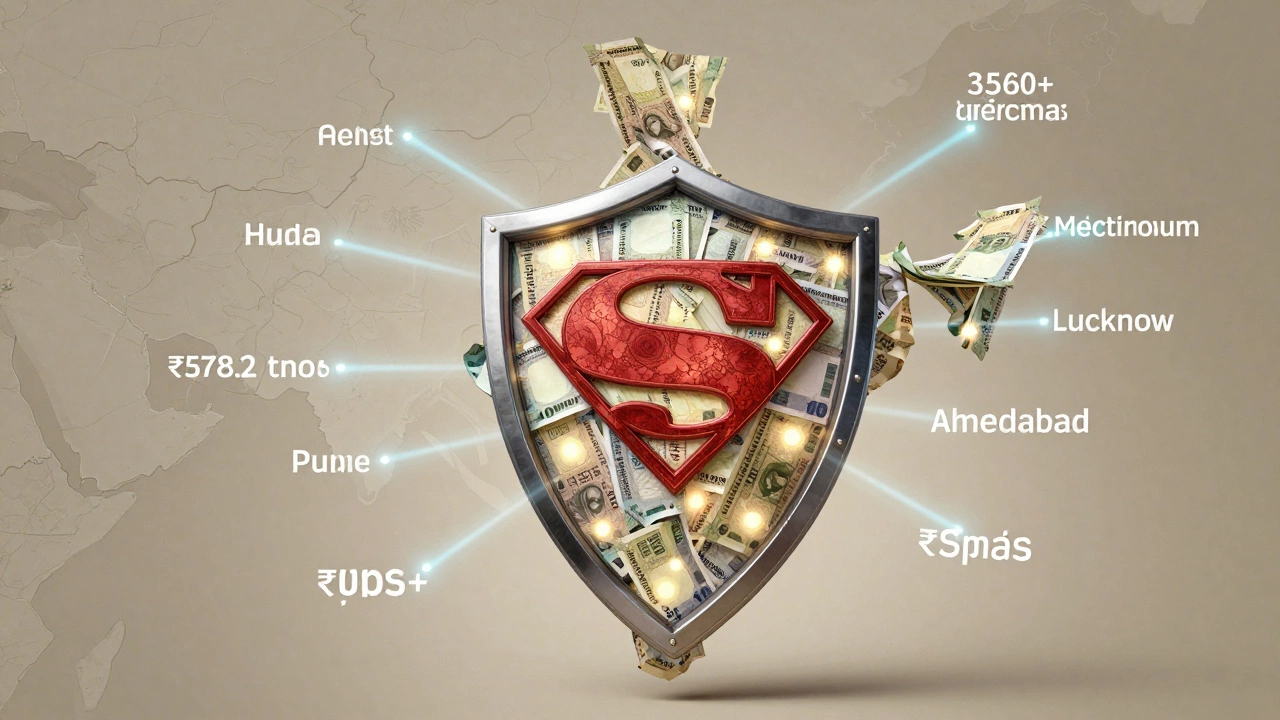
Endgame earned ₹278.5 crore (about $39 million USD) in India during its theatrical run. That’s not just a number - it’s the highest gross ever for a non-local film in India at the time. It beat out previous records held by Avengers: Infinity War and even local hits like Baahubali 2. The film opened with ₹102 crore in its first five days, which included ₹45 crore on opening day alone - a record for any Hollywood movie in India.
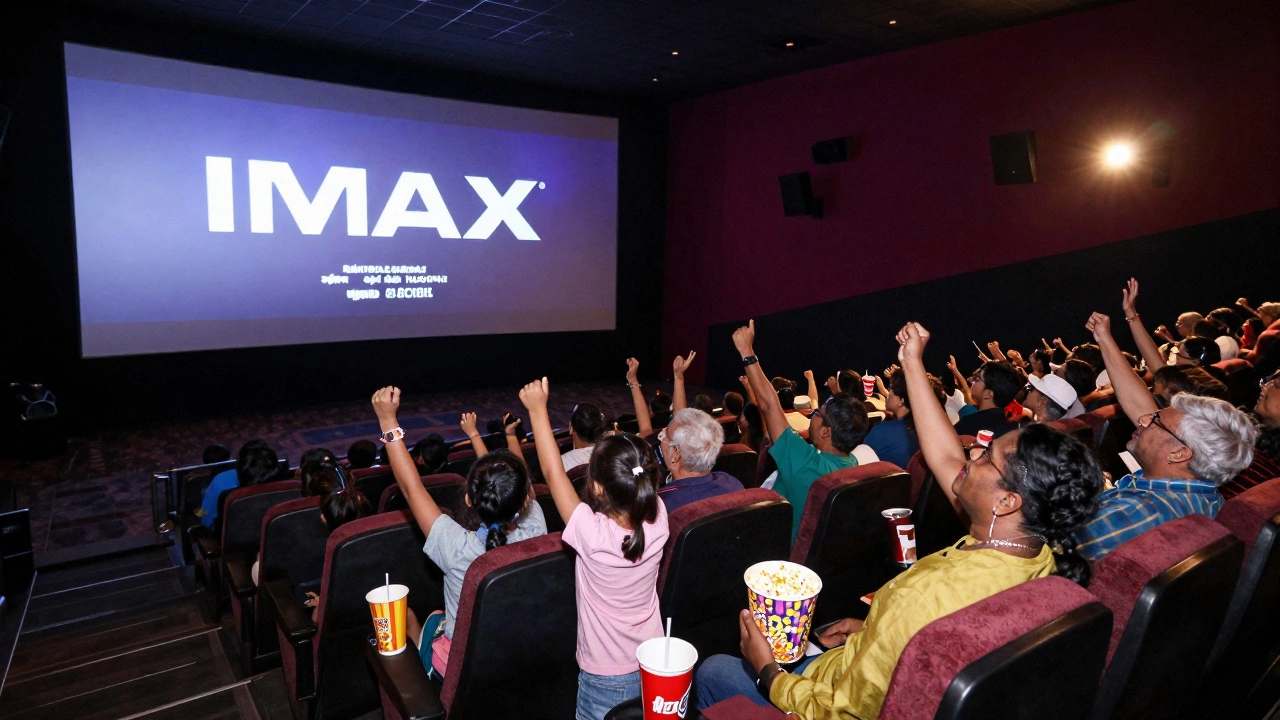
What made this possible? It wasn’t just the Marvel brand. Endgame was released in over 3,500 screens across India, including 1,200+ IMAX and premium large-format screens. That’s more screens than most Bollywood films get. Major chains like PVR, INOX, and Cinepolis rolled out midnight shows in metros and tier-2 cities like Pune, Lucknow, and Ahmedabad. Ticket sales weren’t limited to urban youth - families, older fans, and even small-town audiences showed up in droves.
Why Endgame’s Success Matters for Franchise Owners
Most people think franchise success in India means selling burgers or coffee. But Endgame proves that entertainment franchises - especially those with strong global branding - can outperform traditional ones. Here’s what franchise operators should take from Endgame’s India run:
- Localization matters - Endgame had Hindi, Tamil, Telugu, and Malayalam dubs. It wasn’t just subtitled. The dubbing quality was top-tier, with voice actors who matched the characters’ energy.
- Screen availability is key - Releasing on 3,500+ screens meant reaching audiences who’d never seen a Marvel film before. Many small-town theaters had never shown a Hollywood blockbuster before. Endgame gave them that chance.
- Timing is everything - The film dropped during the long April holiday weekend, right after the IPL season ended. That’s when families had time off and were looking for big entertainment.
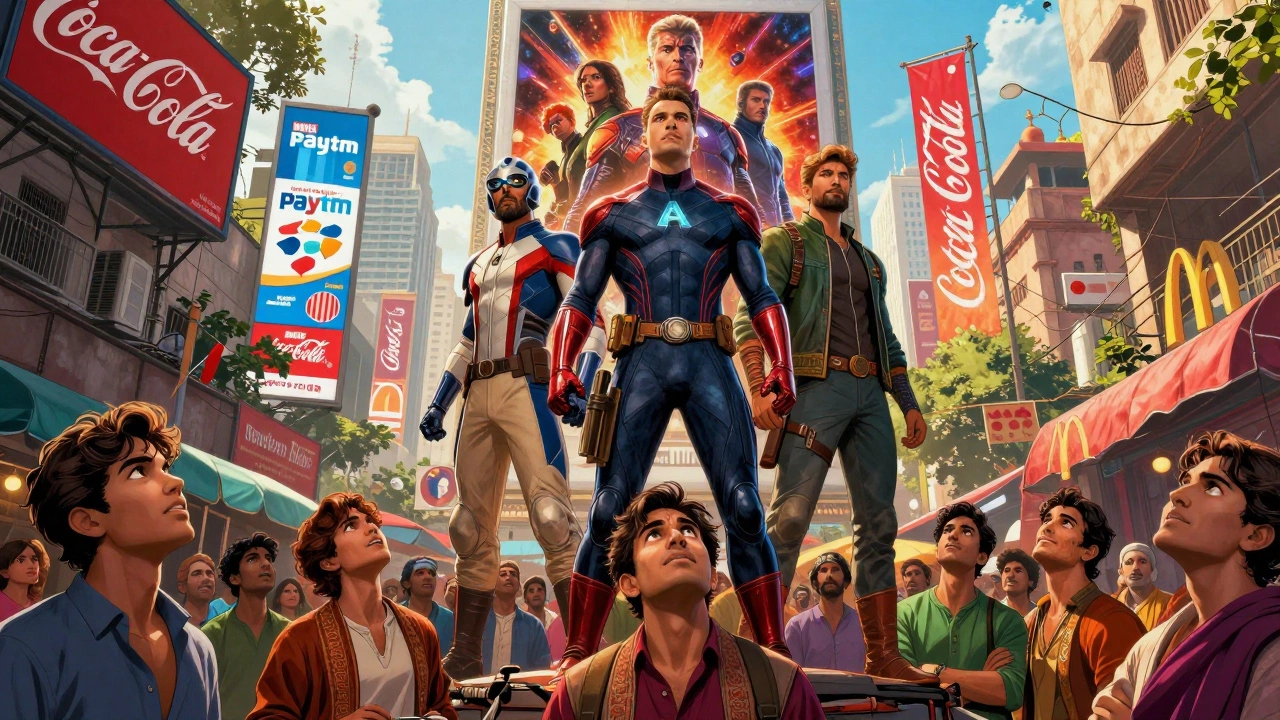
- Marketing wasn’t just ads - Marvel partnered with Indian brands like Coca-Cola, McDonald’s, and Paytm. You saw Endgame billboards everywhere - from metro stations to roadside stalls. It felt like part of daily life.
How This Compares to Other Franchises in India
Let’s put Endgame’s numbers in context. Compare it to other major franchises that tried to break into India:
| Franchise | India Gross (₹) | USD Equivalent | Release Year | Screen Count |
|---|---|---|---|---|
| Avengers: Endgame | ₹278.5 crore | $39M | 2019 | 3,500+ |
| Avengers: Infinity War | ₹212 crore | $30M | 2018 | 3,200 |
| Fast & Furious 8 | ₹175 crore | $25M | 2017 | 3,100 |
| Star Wars: The Force Awakens | ₹110 crore | $16M | 2015 | 2,800 |
| McDonald’s India (annual revenue) | ₹1,800 crore | $250M | 2025 | 520 outlets |
| Starbucks India (annual revenue) | ₹750 crore | $100M | 2025 | 380 outlets |
Notice something? Endgame’s one-time box office haul was bigger than Starbucks’ entire annual revenue in India. McDonald’s, with over 500 outlets, made roughly 6 times more - but that’s over 7 years of operation. Endgame made its money in 3 weeks.
This isn’t about movies. It’s about scale. A well-executed global franchise can hit massive revenue faster than traditional local franchises. The key? Leverage global brand power, invest in localization, and saturate the market with availability.
What Franchise Models Can Learn From Endgame
If you’re thinking of launching a franchise in India - whether it’s food, retail, or services - Endgame’s playbook gives you five clear rules:
- Don’t assume Hindi is enough - Four regional dubs are non-negotiable. Tamil and Telugu audiences alone account for over 150 million people. If your product doesn’t speak their language, they won’t buy it.
- Use local partners - Endgame didn’t rely on Hollywood distributors. It partnered with Indian cinema chains that understood local booking systems, ticket pricing, and audience habits.
- Go wide, not deep - Instead of opening 100 premium outlets, Endgame went for 3,500+ screens. In India, volume beats exclusivity. A low-cost, high-availability model wins.
- Build hype before launch - Marvel spent 6 months teasing Endgame on social media, TV, and even through Bollywood influencers. They turned a movie into a national event.
- Link with everyday brands - From Coke cans to Paytm coupons, Endgame was everywhere. That kind of cross-promotion builds subconscious brand recognition.
Is This Model Sustainable for Other Franchises?
Not every franchise can replicate Endgame. But the underlying principles? Absolutely. Take fitness: A global fitness brand could launch 500 low-cost studios across tier-2 cities with Hindi and regional language apps. Or education: An online tutoring platform could partner with local coaching centers to offer branded, localized courses.
What’s changing in India is audience behavior. Younger consumers aren’t just loyal to local brands - they’re loyal to global experiences that feel personal. Endgame didn’t win because it was American. It won because it felt Indian.
Franchise owners who think India is just about cheap labor and low prices are missing the real opportunity. The real opportunity is in scale, speed, and emotional connection. Endgame didn’t just sell tickets - it sold belonging. That’s what any successful franchise in India needs to do now.
What Comes Next for Franchises in India
By 2026, India’s franchise market is expected to hit $150 billion. The biggest growth areas? Health and wellness, education tech, and hybrid retail - places where global brands can blend their systems with local needs.
Look at OYO’s model: They didn’t build hotels. They rebranded existing ones with global standards and local pricing. Or Zomato - they didn’t invent food delivery. They made it feel personal, fast, and reliable. Both succeeded by taking global frameworks and adapting them to Indian rhythms.
Endgame’s lesson? Don’t try to force a foreign model into India. Build a global product, then let Indian consumers reshape it. The ones who win are the ones who listen - not dictate.
Did Endgame make more money in India than in the U.S.?
No, Endgame made more in the U.S. - it earned over $850 million domestically. But in India, it made more than any other Hollywood film ever had. The U.S. market is bigger, but India’s growth potential is faster. Endgame’s India earnings were 140% higher than its predecessor, Infinity War - a sign of accelerating demand.
Can a small franchise replicate Endgame’s success?
Not by copying the movie model - but yes, by copying the strategy. A small franchise can go wide by partnering with local distributors, using regional languages, and leveraging social media hype. A coffee brand, for example, could launch 200 low-cost kiosks in tier-2 cities with Tamil and Bengali branding instead of 20 expensive stores in Mumbai.
Why did Endgame do better than other Marvel films in India?
Endgame was the emotional climax of a 10-year story. Fans had been waiting for it. The marketing built it as a cultural moment, not just a movie. Previous Marvel films were seen as entertainment. Endgame was seen as an event. That emotional investment drove repeat viewings - many people watched it twice or even three times.
Are box office numbers a good indicator for franchise potential?
For entertainment franchises, yes. For food or retail? Not directly. But the patterns are the same: availability, localization, and hype. If a product can create buzz like Endgame did - even without a superhero - it can scale fast in India. The numbers show what’s possible. The strategy shows how to get there.
What’s the biggest mistake franchises make in India?
Trying to be too uniform. Many franchises copy their U.S. or European models exactly - same prices, same menus, same store layouts. India doesn’t work that way. Success comes from flexibility: lower price points, regional customization, and partnerships with local influencers or distributors. The ones who win adapt - not just translate.
