Franchise Profitability Calculator
Investment Parameters
Analysis Results
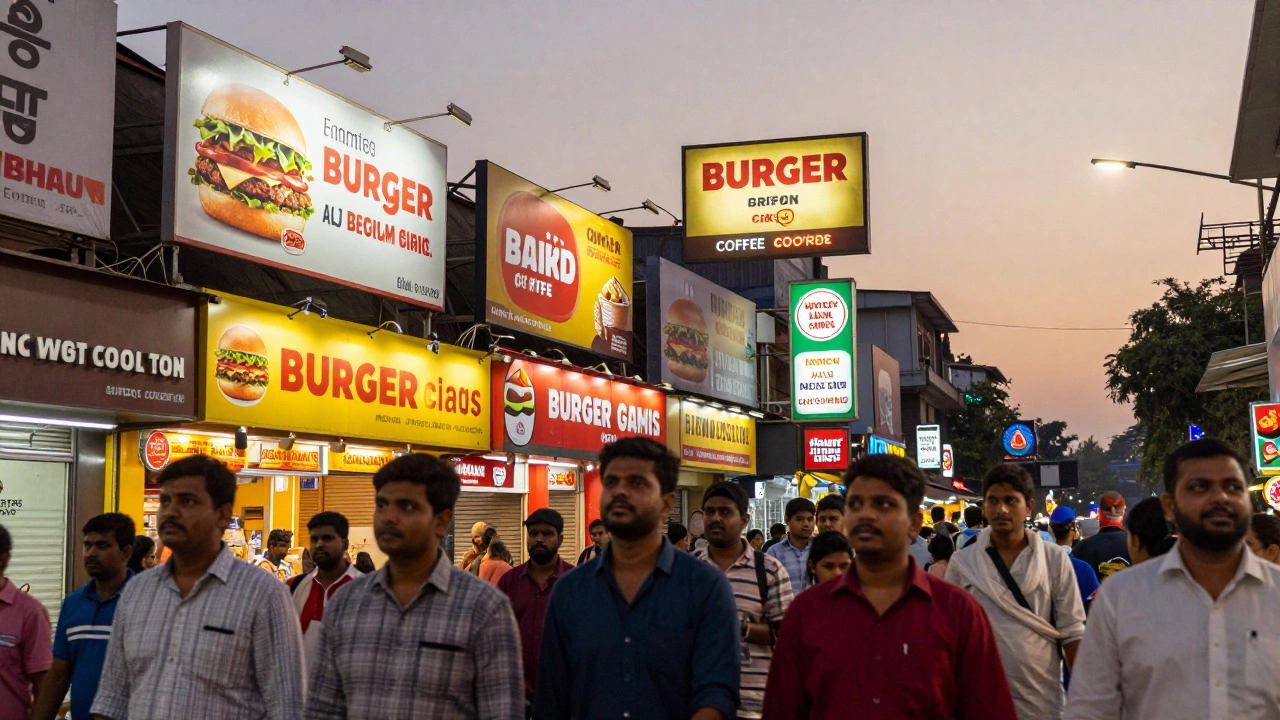
You see the billboards everywhere. The bright colors, the familiar logos, and the promise of an easy life. "Buy a franchise," they say, "and you'll be set for life." It sounds like a ticket to financial freedom, doesn't it? But here is the hard truth: buying a franchise in India is not a lottery ticket. It is a business model with real risks, real costs, and very specific rules for success.
So, can you actually get rich? Yes. But not by just writing a check and waiting for the money to roll in. You get rich by treating it like a serious operational challenge, not a hobby. Let’s strip away the marketing fluff and look at the numbers, the models, and the reality of running a branded business in the Indian market today.
The Myth of Passive Income
The biggest lie sold to aspiring entrepreneurs is that franchising is passive income. If you are looking for a way to make money while you sleep, you might want to look elsewhere. A franchise requires your active involvement, especially in the first three years.
Think about it. When you buy a food franchise like a popular burger chain or a coffee shop, you aren't just buying a logo. You are buying a system. That system needs managers, staff, inventory control, and customer service oversight. In India, where labor laws and local regulations vary by state, your job is to ensure compliance and quality.
If you hire a manager and walk away, you risk two things:
- Brand dilution: Poor service hurts the master brand, which can lead to stricter audits or even termination of your license.
- Profit leakage: Without oversight, operational inefficiencies eat into your margins. Theft, waste, and poor scheduling can turn a profitable unit into a loss-maker quickly.
Riches in franchising come from scaling, not from sitting back. You get wealthy when you have enough units to hire a competent management team that runs them better than you could alone. Until then, you are working as hard as any startup founder.
How the Money Actually Works: The Unit Economics
To understand if you can get rich, you need to understand the math. Every franchise has a specific economic model. In India, this usually breaks down into three main cost centers: Initial Investment, Royalty Fees, and Marketing Levies.
Let’s look at a typical mid-tier QSR (Quick Service Restaurant) a fast-food outlet with limited seating franchise in a tier-2 city like Jaipur or Coimbatore.
| Cost Component | Estimated Amount (INR) | Notes |
|---|---|---|
| Initial Franchise Fee | ₹5 - ₹10 Lakhs | One-time payment for the brand rights |
| Setup & Equipment | ₹15 - ₹25 Lakhs | Kitchen equipment, interiors, signage |
| Royalty Fee | 4% - 8% of Gross Sales | Monthly recurring cost |
| Marketing Levy | 2% - 4% of Gross Sales | For national advertising campaigns |
| Break-even Point | 18 - 24 Months | Time to recover initial investment |
The key metric here is the EBITDA margin (Earnings Before Interest, Taxes, Depreciation, and Amortization). For a successful food franchise in India, you should aim for an EBITDA margin of 15-20%. If the brand promises higher, ask for proof. If it’s lower, you are likely paying too much for rent or ingredients.
Getting rich means maximizing this margin. How? By controlling your variable costs. In the Indian context, this means managing food wastage tightly and optimizing staff shifts during peak hours (lunch and dinner rushes).
Choosing the Right Sector: Where the Money Is
Not all franchises are created equal. Some sectors have higher barriers to entry but also higher rewards. Others are low-cost but highly competitive. Here is how the major sectors stack up in the current Indian market.
Food & Beverage (F&B)
This is the most crowded space. Everyone wants to open a cafe or a snack bar. The advantage is high footfall and quick cash turnover. The disadvantage is thin margins and high spoilage rates. To get rich here, you need volume. A single outlet rarely makes you wealthy unless it’s in a prime location like Mumbai’s Bandra or Delhi’s Connaught Place. Wealth comes from owning 5-10 outlets across different cities.
Education & Childcare
Indian parents spend significantly on education. Franchises offering preschools, coding classes, or test preparation have high perceived value. The initial investment is moderate, but the royalty fees can be steep. However, the retention rate is high. Once a child joins, they stay for years. This creates predictable, recurring revenue, which is easier to finance and scale.
Health & Wellness
Gyms, yoga studios, and diagnostic centers are booming. With the rise of health consciousness post-pandemic, these businesses have strong growth potential. The catch? They require specialized staff and strict hygiene compliance. If you fail on quality, you lose customers permanently. But if you succeed, the lifetime value of a customer is very high.
Retail & Convenience Stores
Branded grocery stores or mobile phone accessories shops offer stability. They don’t have the glamour of F&B, but they have consistent demand. These are often better suited for investors who want steady, lower-risk returns rather than explosive growth.

The Multi-Unit Strategy: The Only Path to Wealth
Here is the secret that franchise brochures don’t highlight: One unit rarely makes you rich. One unit makes you comfortable. Maybe it gives you a decent salary and some savings. But wealth? Wealth comes from economies of scale.
When you own multiple units, several things happen:
- Negotiating Power: You can negotiate better deals with landlords and suppliers because you are a larger buyer.
- Shared Resources: You can share accounting, HR, and marketing teams across units, reducing overhead per store.
- Risk Diversification: If one location underperforms due to local issues (like road construction or a competitor opening nearby), your other units keep the cash flow positive.
In India, many successful franchisees start with one unit in their hometown. They use the profits from that unit to fund the second and third units in neighboring towns. This "bootstrapping" method minimizes debt and reduces risk. Banks in India are increasingly offering franchise loans specialized business loans for franchise purchases that cover up to 75% of the setup cost, making expansion more accessible.
Red Flags: When a Franchise Will Make You Poor
Before you sign anything, you must perform due diligence. Many people lose money because they fall for aggressive sales tactics. Watch out for these red flags:
- No Disclosure Document: Legitimate franchisors provide a detailed disclosure document outlining fees, obligations, and performance data. If they refuse, run.
- Guaranteed Returns: No business can guarantee profits. If they promise a fixed ROI, it’s a scam.
- High Turnover of Existing Franchisees: Ask to speak with current franchise owners. Not the ones the company selects, but random ones. Ask them about support, supply chain issues, and actual profitability.
- Pressure to Sign Quickly: "This offer expires tomorrow" is a classic high-pressure tactic. Take your time. Analyze the numbers.
Legal & Regulatory Considerations in India
India does not have a specific "Franchise Law," but franchising is governed by contract law, intellectual property laws, and competition law. This means your contract is king.
Key clauses to scrutinize:
- Territory Rights: Are you protected from the franchisor opening another unit next door? Or from other franchisees encroaching on your area?
- Renewal Terms: What happens after the initial term (usually 5-10 years)? Can you renew automatically, or do you have to renegotiate?
- Exit Strategy: Can you sell your franchise? Does the franchisor have the right of first refusal? What are the penalties for early termination?
Also, ensure the brand has registered trademarks in India. Unregistered brands can be copied easily, leaving you with no legal recourse if competitors mimic your setup.
Realistic Expectations: The Timeline to Wealth
Let’s talk timelines. If you invest ₹25 lakhs in a franchise today, when will you see significant wealth creation?
Year 1: Survival mode. You are learning the ropes, building customer base, and covering costs. Net profit may be zero or negative.
Year 2-3: Stability. Operations are smooth. You are generating consistent cash flow. You might start reinvesting profits into marketing or minor upgrades.
Year 4-5: Expansion. If the first unit was successful, you open the second. Now you are moving from operator to owner-manager.
Year 7-10: Wealth accumulation. With 3-5 units running efficiently, your passive income (from hired managers) starts to grow. This is when you can consider selling the portfolio or using the equity to invest in other ventures.
Getting rich is a marathon, not a sprint. Patience and discipline are your best assets.
Conclusion: Is It Worth It?
Can you get rich buying a franchise? Absolutely. But only if you treat it as a serious business venture, not a get-rich-quick scheme. The Indian market offers immense opportunities due to its growing middle class and urbanization. However, success depends on choosing the right brand, understanding the unit economics, and planning for multi-unit growth from day one.
Do your homework. Talk to existing franchisees. Crunch the numbers. And remember, the brand name opens the door, but your management skills keep the lights on.
What is the minimum investment required for a franchise in India?
The minimum investment varies widely by sector. Small home-based franchises like tutoring or cleaning services can start with ₹2-5 lakhs. Mid-tier food or retail franchises typically require ₹15-30 lakhs. Premium brands or large-format outlets can cost ₹50 lakhs to over ₹1 crore.
Is it better to buy a franchise or start your own business?
A franchise offers a proven business model, brand recognition, and training, reducing the risk of failure. Starting your own business offers more freedom and potentially higher long-term profits but carries higher risk and requires more effort in branding and operations. Choose a franchise if you want structure and support; choose a startup if you want creative control and are willing to take bigger risks.
How long does it take to break even on a franchise investment?
On average, most franchises in India break even within 18 to 24 months. However, this depends on the industry, location, and operational efficiency. High-traffic locations with strong brand loyalty may break even faster, while niche markets may take longer.
Can I get a bank loan for buying a franchise in India?
Yes, many Indian banks offer specialized franchise loans. They typically cover 60-75% of the total project cost, including the franchise fee and setup costs. You will need to provide a solid business plan, collateral, and proof of creditworthiness. Some banks have tie-ups with specific franchise brands, which can simplify the approval process.
What are the biggest risks associated with franchising?
Key risks include high upfront costs, ongoing royalty fees that reduce profit margins, dependency on the franchisor’s reputation (if the brand faces a scandal, you suffer), and limited operational flexibility. Additionally, poor site selection or inadequate local market research can lead to business failure regardless of the brand strength.
Do I need prior business experience to buy a franchise?
While not always mandatory, prior business or management experience is highly beneficial. Franchisors prefer candidates who understand basic financial management, staff supervision, and customer service. If you lack experience, look for franchises that offer comprehensive training programs and ongoing support.
