GST and Startup Trends in India: November 2025 Archive
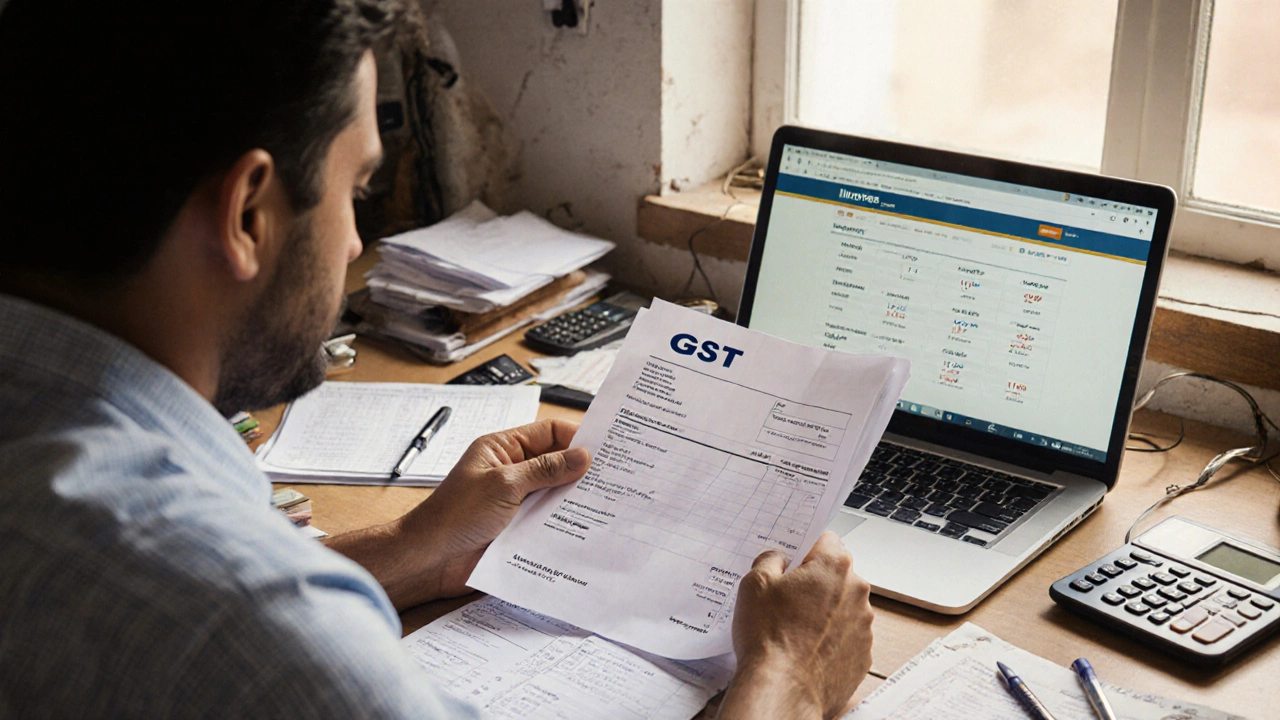
When navigating business rules in India, GST, the Goods and Services Tax system that replaced multiple indirect taxes across India. Also known as value-added tax, it affects every seller, freelancer, and small business owner—from a street vendor using UPI to an e-commerce store shipping nationwide. Whether you’re calculating tax on an invoice or deciding if you need to register, GST isn’t just paperwork—it’s the backbone of legal commerce in India. In November 2025, the focus shifted from just compliance to smart use: how to claim input tax credit correctly, avoid common errors that trigger audits, and understand when you’re exempt based on your turnover.
Behind the tax rules, the startup scene is changing fast. Indian startups, new businesses scaling quickly with tech, local demand, and lean operations. Also known as homegrown ventures, they’re no longer just about flashy apps and VC funding. The real growth is in hyperlocal services—food delivery via WhatsApp, repair shops using UPI, and handmade goods sold through Instagram. These aren’t Silicon Valley clones; they’re practical, profitable, and built for Indian neighborhoods. Meanwhile, foreign investors, especially from the U.S., are asking how to legally put money into these businesses. Invest in India, the process by which non-residents buy stocks, funds, or equity in Indian companies. Also known as foreign direct investment, it’s possible—but full of traps like tax treaties, FEMA rules, and reporting requirements. And if you’re an OCI cardholder thinking of running a business here, you need to know the limits: OCI card disadvantages, the legal and financial restrictions faced by Overseas Citizens of India when operating businesses. Also known as OCI business barriers, they include no land ownership, no government grants, and blocked access to sectors like retail and defense. These aren’t minor issues—they can shut down a business before it starts.
What you’ll find in this archive isn’t theory. It’s real advice from people who’ve filed GST returns, raised funding, or launched home businesses in 2025. From how many words actually fit in a business plan to whether an MBA in digital marketing still pays off, every article cuts through the noise. You won’t find fluff here—just what works, what doesn’t, and what you need to know next.
Learn how to calculate GST in India step by step, including correct tax rates, invoice rules, input tax credit, and common mistakes to avoid. Essential for small businesses and freelancers.
An MBA in digital marketing in India offers a strategic edge for marketers looking to lead teams, drive growth, and earn higher salaries. Learn what it covers, who it's for, and whether it's worth the investment in 2025.
A 200-page business book typically has 50,000 to 60,000 words, but most business plans only need 5,000 to 10,000. Learn why page count doesn't matter - word count and clarity do.
Is GST registration mandatory in India? It depends on your turnover, location, and type of business. Learn the thresholds, exceptions, penalties, and when to register-even if you're a small seller or freelancer.
A step-by-step guide for US citizens on how to legally invest in India’s startup scene in 2025, covering ETFs, mutual funds, direct stock buying, and startup funding-with tax tips and pitfalls to avoid.
OCI cards offer lifetime entry to India but come with serious business restrictions: no land ownership, no government subsidies, limited bank loans, and barred access to key industries. Here’s what you really can’t do with an OCI card.
Indian startups raised over $12 billion in funding in 2025, with fintech, agritech, and healthtech leading growth. The ecosystem is maturing beyond hype, with more founders focusing on profitability and local solutions.
Discover 7 realistic, low-cost home-based business ideas you can start today in 2025-with real examples from Australia. No inventory, no office, just your skills and a phone.
The fastest business in India right now isn't a tech startup-it's a hyperlocal micro-business selling food, repairs, or handmade goods with WhatsApp and UPI. Profit in days, not years.